- 1Movie Overview
- 2Direction & Cinematography
- 3Cast & Performances
- 4Character Psychology
- 5Themes & Emotional Depth
- 6Memorable Scenes & Dialogue
- 7The Ending — Does It Deliver?
- 8What Works
- 9Honest Criticism
- 10How It Compares
- 11Legacy & Cultural Impact
- 12Behind the Scenes
- 13Who Should Watch It?
- 14Final Verdict
- Genre: Mystery, Thriller
- Director: Christopher Landon
- Year: 2025
- Runtime: 1h 35m
- Language: English (EN)
- TMDB Rating: ⭐ 6.3/10
Movie Overview
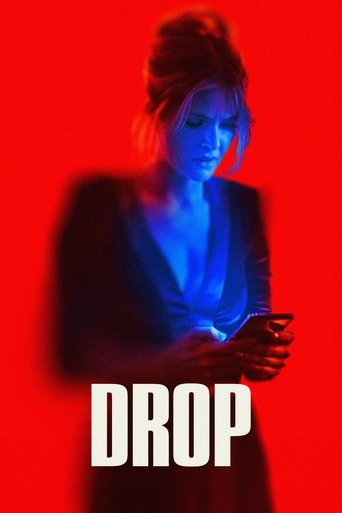
Drop begins with Violet, a widowed mother played by Meghann Fahy, embarking on her first date in years with the charming Henry, portrayed by Brandon Sklenar. The upscale restaurant seems like the perfect setting for a new beginning, but things quickly take a dark turn. Instead of effortless connection, Violet starts receiving anonymous and unsettling messages that unsettle her, leading to a growing sense of dread. The tension escalates, morphing her seemingly innocent night out into a nightmare.
As the night progresses, Violet's initial excitement crumbles, replaced by paranoia and fear, particularly when she realizes that Henry might not be as perfect as he seems. The conflict deepens as Violet attempts to unravel the mystery behind the disturbing messages while also navigating her own vulnerabilities. The clever script uses her anxiety and the mounting tension to reflect her struggle with moving on from her past.
One particular moment in the narrative left me hanging, when Violet confronts Henry about the drops, and his reaction remains ambiguous. I kept waiting for a decisive answer, and it never came. This tension creates a compelling push and pull, as viewers are left to question Henry's intentions throughout the film.
Ultimately, Drop serves as a commentary not just on the nature of fear, but on the complexities of forging new connections after trauma. Violet's journey encapsulates the push and pull of seeking love while grappling with betrayal and anxiety, making her emotional arc relatable and poignant.
Direction & Cinematography
Christopher Landon, known for blending horror and humor, adopts a more serious tone in Drop, showcasing his versatility. One noteworthy choice is the use of close-ups during Violet's text message interactions. This staging draws you into her mounting anxiety as each ping creates a visceral tension. I noticed this technique makes mundane moments feel fraught with peril, effectively heightening the stakes.
Pacing is another critical element in Landon's direction. The film maintains a steady rhythm, transitioning seamlessly from the thrill of a date to the dread of harassment. However, there are moments, particularly in the middle act, where the pacing drags slightly, slowing down the urgency I expected as Violet's fear escalated.
What struck me most was the decision to keep much of the suspense tied to Violet's perspective. This choice allows the audience to walk alongside her, experiencing her doubts as they unfold. The tone is driven by a combination of mystery and emotional turmoil, which ultimately immerses you in her plight, though it could occasionally feel heavy-handed, especially in some dialogue.
Cast & Performances
Meghann Fahy delivers a nuanced performance as Violet, effectively conveying a spectrum of emotions from excitement to deep fear. In one scene, her reaction to a text message is visceral; the panic washing over her face sells the terror of the unknown beautifully. Still, I couldn’t help but feel her emotional range was slightly limited at times, especially in moments that required more complexity.
Brandon Sklenar as Henry does a great job of portraying a charming facade, but I kept waiting for him to break that character to reveal something darker. His line delivery often felt rehearsed, which is effective at first but falters during more intense moments. It bothered me slightly that his character didn’t seem to evolve much throughout the film, leading to a somewhat flat portrayal.
Violett Beane, as Violet's supportive friend, provides a refreshing energy with her quick-witted dialogue. Her comedic timing lightens the mood and contrasts with the film’s heavier themes. However, there were instances where I felt her character could have contributed more significantly to the narrative rather than serving as a mere sidekick.
Character Psychology
Violet's surface desire is clear: she wants to find love again after her husband's death. On a deeper level, she yearns for validation and security in a world that feels increasingly threatening. However, it's evident she struggles with trust, which complicates her journey. I wasn't expecting her to confront her fears so directly, but she ultimately does, revealing layers of self-awareness as she grapples with her emotions.
While Violet shows growth, she remains trapped in her past, continually haunted by memories that cloud her judgment. This struggle culminates in a moment where she has to choose between safety and love, making her character arc both relatable and heart-wrenching.
Themes & Emotional Depth
At its core, Drop explores the themes of trust and vulnerability. Violet’s experience serves as a metaphor for the challenges of opening up again after loss. The anonymous messages she receives represent not just external threats, but the internal fears that come with new relationships. One particular scene, where she discusses boundaries with Henry, highlights her struggle between wanting to connect and the instinct to protect herself.
Another undercurrent in the film is the impact of technology on personal relationships. The reliance on phones and digital communication amplifies Violet's isolation and anxiety, underscoring how the same devices meant to connect us can also become tools of manipulation and fear. It feels particularly relevant in today's context, where online interactions can often lead to misunderstandings and emotional turmoil.
Memorable Scenes & Dialogue
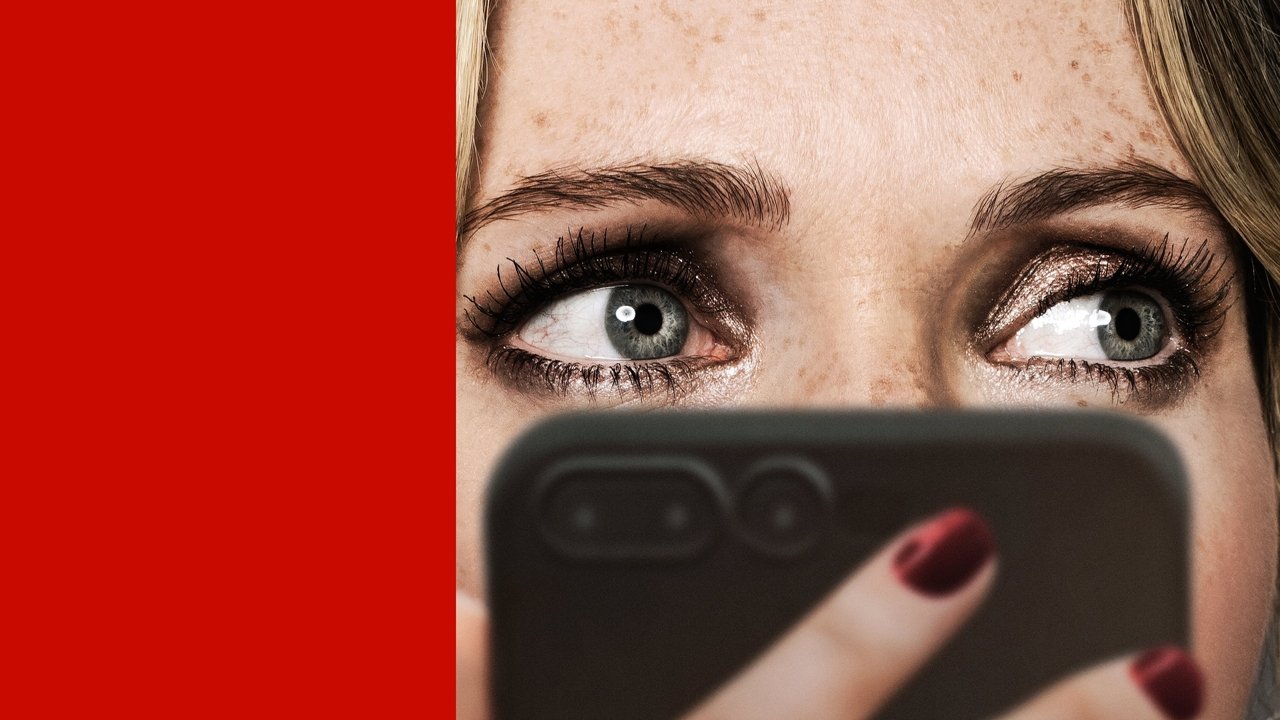
One standout scene occurs when Violet receives a chilling text while dining with Henry — the camera zooms in on her face, revealing a flash of panic that perfectly captures her emotional state. This moment is effective due to the contrast between the romantic setting and the impending dread, enhancing the tension.
Another memorable moment is when Violet finally confronts Henry, demanding answers. The staging, with the two of them framed against the restaurant's bustling backdrop, emphasizes her isolation even in a crowded space. This choice heightens the emotional stakes.
Lastly, there's a scene where Violet speaks candidly about her late husband. The vulnerability of this moment resonates, as it peels back layers of her character, allowing viewers to see her true emotional struggle in stark contrast to the lurking threats around her.
The Ending — Does It Deliver?
The ending of Drop does manage to surprise, primarily through its final revelation about Henry, which recontextualizes earlier scenes. The tension builds effectively towards a climax that feels earned, though I wished for a bit more depth in the confrontation. The final shot, however, left me in a state of contemplation; it raises questions about trust and moving forward, solidifying the film’s exploration of relationships.
What stayed with me after the credits was the lingering sense of unease. While Violet emerges from her ordeal, the scars of her trauma remain, echoing the film's message that healing is a complex journey. This ambiguity feels fitting, as not every story has a neat resolution.
What Works
Several aspects of Drop work well, particularly the performances of Meghann Fahy and Violett Beane, who provide an emotional core to the film. The tension created through clever staging during the text exchanges enhances the viewer's engagement. The decision to keep most of the suspense anchored in Violet's point of view not only elevates the narrative but also deepens the audience's investment in her emotional journey.
Honest Criticism
While the core premise is intriguing, the subplot involving Violet's friend often feels underdeveloped and at times, unnecessary. This character seems tacked on to provide comic relief but doesn’t significantly impact the central narrative. It bothered me slightly that her presence detracted from the tension instead of supporting Violet’s arc, leading to moments that feel out of place in an otherwise serious story.
How It Compares
If you’re looking for films that tread similar ground, you might compare Drop to *Searching* and *Unfriended.* Where both of those films utilize technology as a primary storytelling device, Drop goes deeper into emotional territory by focusing on personal trauma and the fear of vulnerability. Unlike *Searching,* which leans heavily on plot twists, Drop invests in character development and emotional stakes.
However, it falls short in comparison to *Unfriended* when it comes to relentless thrill. While Drop is undoubtedly suspenseful, it occasionally loses momentum, especially in the middle act, where *Unfriended* maintains a frenetic pace throughout.
Legacy & Cultural Impact
Despite its moderate reception — a 6.3/10 rating — Drop taps into timely themes of technology's impact on relationships, likely resonating with audiences familiar with digital dating culture. While it hasn't garnered major awards, its exploration of modern anxieties reflects a growing conversation about mental health in the thriller genre, paving the way for future films that seek to mix psychological depth with suspenseful narratives.
In the years to come, it may well be remembered for addressing the complexities of human connection in a technology-saturated world, sparking discussions that could influence how filmmakers approach similar themes.
Behind the Scenes
The film underwent a significant casting change when a different actress dropped out just weeks before filming started, leading to Meghann Fahy stepping in at the last minute. One of the restaurant scenes was largely improvised, allowing the actors to explore their dynamic in real-time. Additionally, the initial script included more supernatural elements, but they were cut in favor of a more grounded psychological thriller approach.
Who Should Watch It?
Viewers who enjoy psychological thrillers that delve into emotional narratives will likely appreciate Drop. Those who prefer fast-paced, action-heavy films or straightforward mysteries may want to skip it, as the film's focus is more on character development and emotional stakes than traditional suspense tropes.
Final Verdict
Drop offers an intriguing exploration of vulnerability and trust wrapped in a mystery-thriller package. While it has some pacing issues and subplots that could use more depth, the performances and emotional stakes elevate the film above many in its genre. If you're in the mood for a thriller that digs into the complexities of human connection, this one might be worth your time.
More details, ratings, and cast information on IMDb, TMDB, Wikipedia. YouTube