- 1Movie Overview
- 2Direction & Cinematography
- 3Cast & Performances
- 4Character Psychology
- 5Themes & Emotional Depth
- 6Memorable Scenes & Dialogue
- 7The Ending — Does It Deliver?
- 8What Works
- 9Honest Criticism
- 10How It Compares
- 11Legacy & Cultural Impact
- 12Behind the Scenes
- 13Who Should Watch It?
- 14Final Verdict

- Genre: Comedy, Drama, History, Adventure
- Director: Dexter Fletcher
- Year: 2016
- Runtime: 1h 46m
- Language: English (EN)
- TMDB Rating: ⭐ 7.2/10
Movie Overview
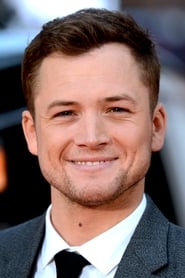
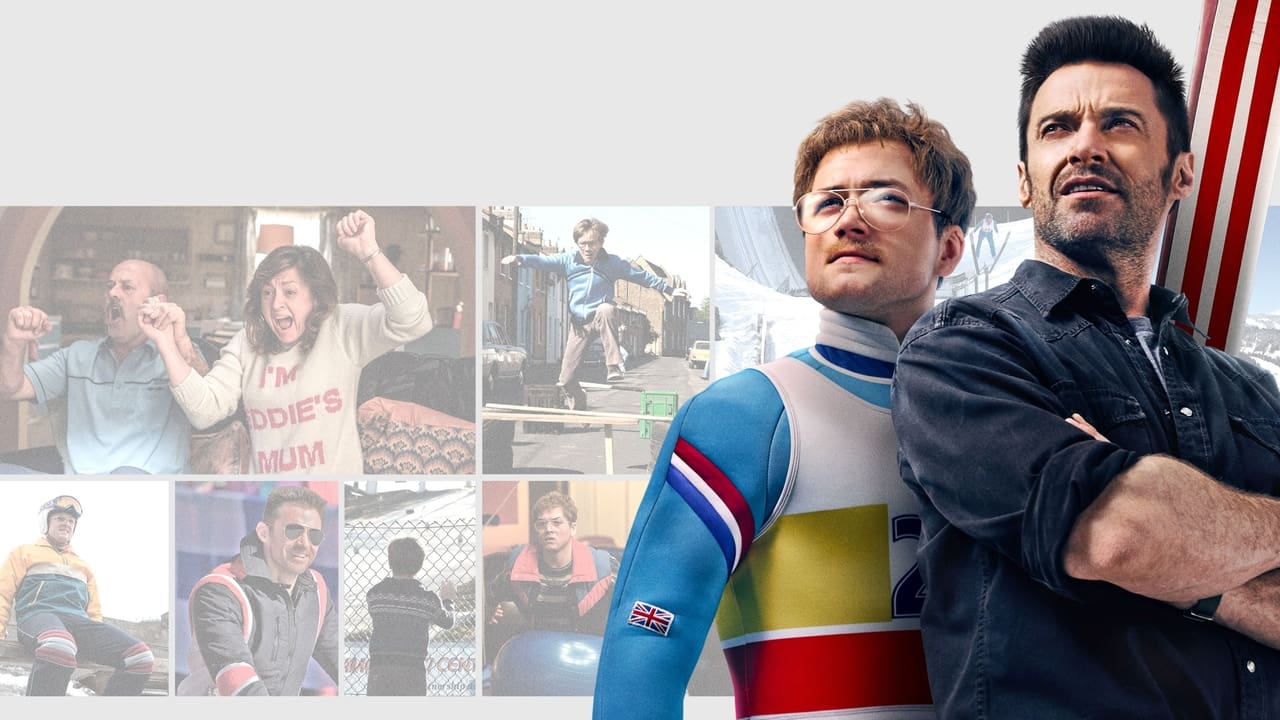
Eddie Edwards (Taron Egerton) has wanted to be an Olympian since childhood, despite his thick glasses, bad knees, and general lack of athleticism. The film picks up with his late pivot to ski jumping — a sport where Britain hasn't fielded an athlete in decades. What follows isn't about winning medals, but about Eddie's stubborn insistence that participation alone is a kind of victory. And it's that angle that makes the story work.
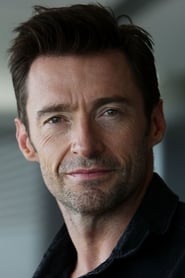
Hugh Jackman plays Bronson Peary, a washed-up former ski jumper turned snowplow driver who becomes Eddie's reluctant coach. Their dynamic is classic underdog stuff, but what surprised me was how little the film relies on training montages. There's real pain in Eddie's failures, and the jumps look terrifyingly real.
The conflict isn't just gravity — it's the stuffy British Olympic officials who see Eddie as an embarrassment. There's a particularly harsh scene where they change the qualifying rules specifically to keep him out. What stayed with me after the credits was how the film treats Eddie's optimism not as naivete, but as quiet rebellion.
That final Olympic sequence? Pure goosebumps.
Direction & Cinematography
Dexter Fletcher directs with a light touch that keeps the sentimentality from overwhelming the story. There's a great early shot where the camera stays tight on Eddie's face as he watches ski jumpers on TV — you see the exact moment his obsession clicks into place.
What struck me was how Fletcher stages the jumps. They're shot at real ski jumps without excessive CGI, which makes every crash land with visceral impact. The sound design helps too — you can hear the wind rushing past Eddie's ears.
But the pacing stumbles slightly in the second act. There's one too many scenes of officials scoffing at Eddie before we get back to the actual jumping. Still, Fletcher nails the tone — it's funny without mocking its hero, which is a tricky balance.
Cast & Performances
Taron Egerton disappears into Eddie's awkward physicality — the hunched shoulders, the stiff run-up to each jump. His accent work is spot-on, but it's the way he delivers lines like "I'm not here to win, I'm here to compete" with total sincerity that sells the character.
Hugh Jackman brings just enough edge to Peary, especially in the bar scene where he drunkenly recounts his own Olympic failures. Though I'll admit I didn't expect him to underplay the role as much as he does — there are moments where you wish he'd crank up the charisma.
Christopher Walken has exactly one scene as Peary's former coach, and of course he makes it memorable. The way he pauses before saying "Not everyone can fly, Bronson" lands perfectly. Ania Sowinski gets little to do as Eddie's mom, but her silent concern in the hospital scene speaks volumes.
Character Psychology
Eddie wants Olympic glory on the surface, but what he really needs is proof that his persistence means something. The film smartly shows how his outsider status isn't just about skill — it's about class, about not fitting the athlete mold.
Peary's arc is more predictable but no less effective. He needs to care about something again, and Eddie's nonsense is exactly the jolt he requires.
Themes & Emotional Depth
This is a film about the value of simply showing up. When Eddie finally gets his Olympic moment, Fletcher holds on the crowd's reaction — they're cheering not for a champion, but for someone who refused to stay on the ground.
The other thread is about who gets to call themselves an athlete. There's a great scene where Eddie calculates that if he can just jump far enough to not die, he'll qualify. The establishment hates that math, and that's the point.
Memorable Scenes & Dialogue
The first 40-meter jump is terrifying in its realism. Fletcher shoots it from Eddie's POV as he realizes mid-air that he has no idea how to land. Egerton's flailing limbs and genuine panic make it work.
Jackman's monologue about the "perfect jump" stands out because of how quiet it is. He's not selling the moment — just remembering something beautiful he'll never experience again.
The airport send-off scene, where Eddie's dad finally shows up, could have been mawkish. But the way they shake hands instead of hugging tells you everything about their relationship.
The Ending — Does It Deliver?
The Olympic finale earns its cheers because the film has been honest about Eddie's limitations. What surprised me was how little the score swells when he finally lands his jump — the crowd noise does all the work.
That final shot of Eddie waving to the stands left me grinning. It's not a victory lap so much as proof that stubbornness can be its own reward.
What Works
Egerton's transformation is astonishing — he nails Eddie's stiff-legged run and perpetually hopeful expression. The ski jump sequences are genuinely nerve-wracking, especially the crash where Eddie somersaults through the air. Jackman and Egerton have solid chemistry, particularly in the training scenes where Peary tries (and fails) to scare Eddie off. And the period detail — those awful '80s ski suits — adds just the right touch of humor.
Honest Criticism
The subplot about Peary's rivalry with his former coach (Walken) feels tacked on. There's one too many scenes of stuffy officials arguing about whether Eddie deserves to compete. And while the synth-heavy score fits the '80s vibe, it occasionally overwhelms quieter moments.
How It Compares
It invites comparisons to Cool Runnings — another underdog Olympic story — but Eddie has sharper teeth. Where Cool Runnings leans into broad comedy, this film lets its hero be genuinely awkward. It's closer in spirit to The World's Fastest Indian, though that film had a stronger sense of place.
The weakness? It doesn't have a villain as vivid as John Candy's character in Cool Runnings. The Olympic officials are one-note.
Legacy & Cultural Impact
The film made a modest $46 million worldwide — not a smash, but enough to cement Fletcher's move into directing. It won the Audience Award at the Zurich Film Festival, which fits; this is a crowd-pleaser first.
What's interesting is how it's aged. In an era of hyper-competitive sports movies, Eddie's celebration of mere participation feels almost radical now.
Behind the Scenes
Egerton trained for months to mimic Eddie's distinctive jumping style, even wearing weighted suits to approximate the feel of Eddie's bulky glasses and padding.
The real Eddie Edwards cameoed as a BBC commentator during the Olympic scenes.
Jackman's role was originally written for an older actor, which explains why his backstory feels slightly shoehorned in.
Who Should Watch It?
If you love underdog stories that earn their sentimentality, this is for you. Sports movie skeptics might roll their eyes at some of the tropes, though. Skip it if you need your biopics strictly factual — this takes plenty of liberties.
Final Verdict
At its best, Eddie the Eagle finds real heart in its celebration of joyful persistence. The 8.2 rating reflects how deftly it balances humor and inspiration without tipping into schmaltz. See it for Egerton's performance alone — he makes Eddie's absurd dream feel noble. That shot of him waving from the starting ramp might just make you stand up and cheer.
More details, ratings, and cast information on IMDb, TMDB, Wikipedia. YouTube