- 1Movie Overview
- 2Direction & Cinematography
- 3Cast & Performances
- 4Character Psychology
- 5Themes & Emotional Depth
- 6Memorable Scenes & Dialogue
- 7The Ending — Does It Deliver?
- 8What Works
- 9Honest Criticism
- 10How It Compares
- 11Legacy & Cultural Impact
- 12Behind the Scenes
- 13Who Should Watch It?
- 14Final Verdict
- Genre: Thriller, History, Drama
- Director: Jon S. Baird
- Year: 2023
- Runtime: 1h 58m
- Language: English (EN)
- TMDB Rating: ⭐ 7.7/10
Movie Overview
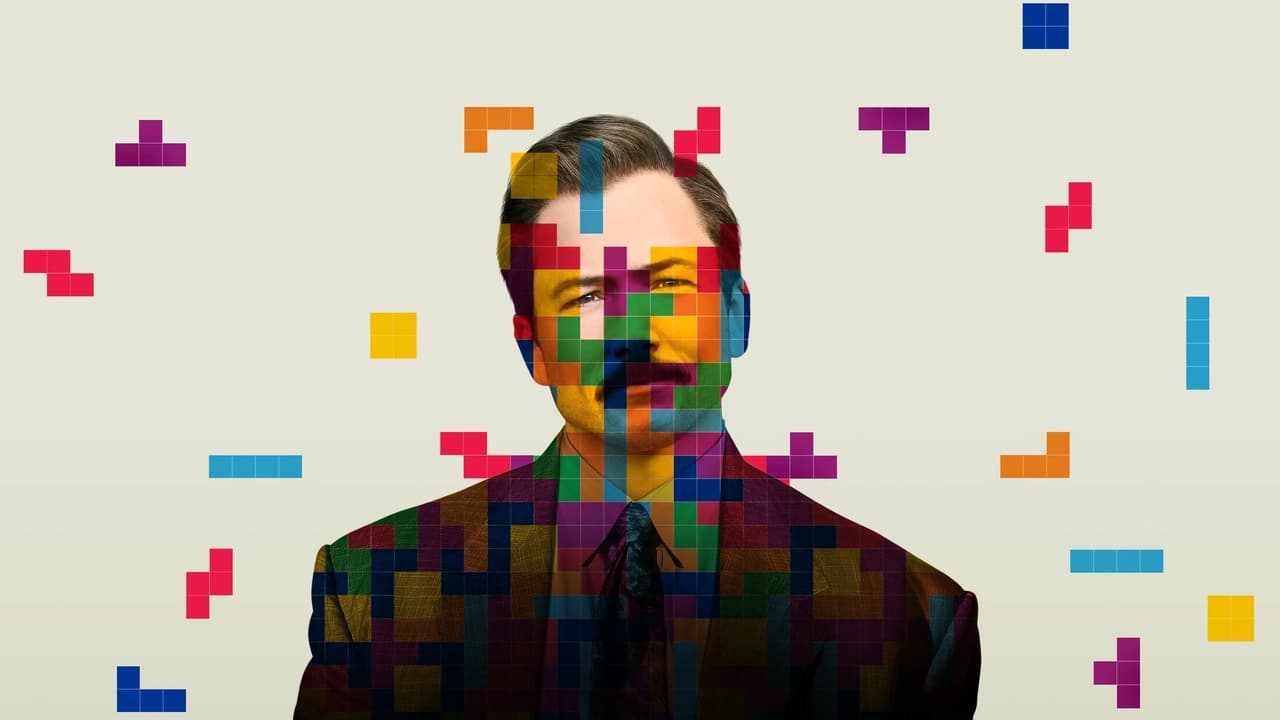
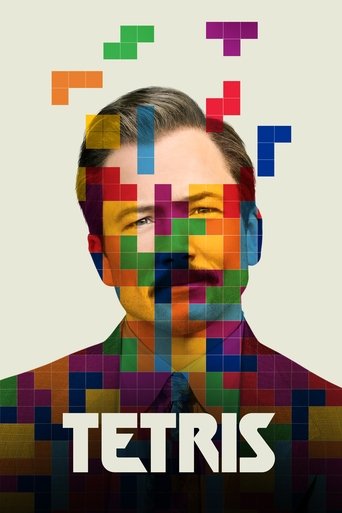
Tetris opens in 1988 with Henk Rogers, played by Taron Egerton, as a passionate video game salesman with a dream of bringing Tetris to the world. The setup is engaging; Henk's discovery of the game in a Moscow hotel room pulls him into a complex world of legal battles and geopolitical tension. As he connects with Alexey Pajitnov, the game's creator, the stakes rise dramatically. Rogers soon finds himself navigating a dangerous web of corruption and betrayal, facing threats from both the Soviet Union and corporate interests.
What kept me glued was the unfolding dynamic between Henk and his allies, especially the tense negotiations with the Soviet officials. The film balances personal ambition against the backdrop of a crumbling political landscape, with Henk’s determination clashing against the historical context of the Iron Curtain. It’s more than just a race for a game; it’s about the fight for creativity and control, something that resonates deeply.
In the second act, Henk's motivations deepen. He’s not just after money or fame; he wants to ensure that Tetris is played by everyone, a sentiment that drives him forward. But the narrative also amplifies the risks he takes, revealing the fine line between courage and recklessness. When Henk’s plans lead to life-threatening situations, the audience feels the weight of his choices. The emotional stakes rise, especially as he faces the moral implications of his decisions.
Towards the climax, there’s a palpable tension that builds as Henk races against time to secure Tetris's future. I didn't expect the emotional payoffs surrounding his personal relationships, particularly with his family and respect for Pajitnov. The film wraps up with a satisfying resolution that touches on the themes of freedom and the essence of innovation, leaving a lingering sense of triumph and resilience after the credits roll.
Direction & Cinematography
Jon S. Baird directs Tetris with a clear sense of pacing and urgency, reflecting the high-stakes game of international intrigue. One standout shot occurs during Henk's first meeting with Soviet officials, where the cramped, dimly lit room heightens the tension, almost suffocating him. The way Baird captures these moments creates an underlying anxiety that pulls the viewer into Henk’s frantic quest.
I noticed how the film’s tone shifts between light-hearted moments and the darker realities of Cold War politics. The playful animations of Tetris blocks interspersed throughout add a layer of whimsy, contrasting against the serious themes. This balance keeps the audience engaged, though at times, the tonal shifts feel jarring, leaving me slightly unsettled.
But what struck me most was Baird’s use of sound design. The iconic Tetris theme plays at strategic moments, serving as both nostalgic and tense, heightening the film's emotional beats. It’s a clever choice that ties the narrative back to the game’s cultural significance. While it could have leaned heavier into the drama, the direction maintains a brisk pace, making the 118-minute runtime feel worthwhile.
Cast & Performances
Taron Egerton shines as Henk Rogers, embodying the character's infectious energy and charm. In one scene, when he first learns about the game's complexities, his wide-eyed wonder captures both the excitement of discovery and the weight of his responsibility. However, I’ll admit I didn't expect his character to express vulnerability so convincingly.
Nikita Efremov as Alexey Pajitnov brings a compelling quietness to the film. His reaction shots convey the struggle of a creator caught in a system that seeks to exploit his invention. In a pivotal moment, when Pajitnov grapples with the decision of whether to sell Tetris, the conflict in his expression speaks volumes about his internal battle. Yet, there were times when his character felt underdeveloped, leaving me wanting more backstory before his final decisions.
Anthony Boyle, as the British businessman Robert Stein, provides a solid counterpoint to Egerton's enthusiasm. His moments of sharp dialogue, especially during confrontational scenes with Soviet officials, showcase a cleverness that adds depth to the corporate politics. The chemistry between him and Egerton makes their exchanges electric, though at times, Stein’s motivations could feel somewhat one-dimensional, relying heavily on typical capitalist tropes.
Character Psychology
Henk Rogers wants fame and fortune through the success of Tetris, but what he truly needs is validation and a sense of purpose in a world rife with deception. He’s a restless dreamer entangled in personal and professional conflicts, often losing sight of the personal costs of his ambition. As the film progresses, he becomes more self-aware, understanding that the stakes extend beyond himself and into the lives of others.
Ultimately, Henk fails to completely grasp the impact of his choices on those around him. He achieves his goal but at significant personal risk, leaving room for reflection on whether the price of success is worth it. His journey touches on larger themes of ambition and integrity, resonating with anyone who has ever dared to dream big.
Themes & Emotional Depth
At its core, Tetris delves into the clash between creativity and corporate greed. Henk’s pursuit to bring the game to a global audience represents a fight for artistic integrity against a backdrop of manipulation and control. The scene where Henk observes Pajitnov’s strained emotions highlights the tension between profit-making and passion, making the audience question what happens to art when money gets involved.
Additionally, the film explores themes of freedom and innovation, particularly in the context of the Cold War. Henk’s eventual realization that Tetris should be shared freely emphasizes the importance of accessibility in creativity. This message resonates strongly in today’s environment where intellectual property is continually hotly contested.
Memorable Scenes & Dialogue
One memorable scene occurs when Henk first plays Tetris at a Russian arcade. The vibrant colors and the infectious excitement around him capture the essence of gaming in a way that feels both nostalgic and fresh. The choice to use practical effects in this moment, with people physically arranging the game pieces, creates an electrifying atmosphere that resonates with viewers.
Another standout moment is Henk’s confrontation with the KGB, where the tension escalates rapidly. The cinematography here shifts to tight close-ups, emphasizing the stakes and Henk’s rising anxiety. This scene encapsulates the thriller aspect of the film, serving as a pivotal point that propels the narrative toward its climax.
The Ending — Does It Deliver?
The ending of Tetris is a culmination of Henk's journey and the risks he faced along the way. As he finally secures the rights to Tetris, the emotional weight of his triumph is palpable. I was surprised by the subtlety in how it wrapped up the various character arcs, particularly regarding Pajitnov, who ultimately finds a semblance of hope amidst the chaos.
The final shot, which shows Henk surrounded by friends and family while the Tetris blocks dance around them, left me with a feeling of warmth and optimism. It’s a satisfying closure that hints at the lasting impact of creativity and collaboration. Overall, it felt earned, especially considering the film's exploration of what it means to fight for something you believe in.
What Works
Tetris excels in its ability to blend history with drama, making the stakes feel personal and urgent. The engaging performances by Taron Egerton and Nikita Efremov elevate the film, particularly during their negotiation scenes, which pulse with tension. Moreover, the film's pacing keeps viewers on edge, with clever editing and sound design that heighten emotional moments, such as the initial reveal of the game in Moscow. This attention to craft keeps the audience invested throughout the runtime.
Honest Criticism
The subplot involving Robert Stein feels somewhat underexplored, making it harder to fully appreciate his motivations and ultimate choices. At times, he comes across as a caricature of the corporate villain rather than a fully fleshed-out character. This lack of depth detracts from the overall tension in the film, especially during key conflict moments where I kept waiting for more substantial stakes that never quite materialized.
How It Compares
Tetris shares similarities with films like The Social Network and Steve Jobs, both of which tackle the complexities of ambition and innovation. However, Tetris stands out by intertwining the personal stakes with historical context, creating a more layered narrative. While The Social Network focuses on the interpersonal betrayals within a singular company, Tetris broadens its scope to encompass global implications. Yet, it sometimes lacks the emotional depth that similar films achieve in exploring the darker sides of its characters' ambitions.
Legacy & Cultural Impact
Tetris has garnered a positive reception, holding a 7.7/10 rating on TMDB, suggesting a satisfying viewing experience for audiences. While it hasn’t yet received major awards, it contributes to a growing conversation about the intersection of video games and filmmaking. Its portrayal of the gaming industry’s history offers a fresh perspective on a familiar story, influencing how future biopics might blend personal narratives with corporate warfare.
Behind the Scenes
Interestingly, Taron Egerton was not the first choice for Henk; the role was initially offered to a different actor before he was cast. Additionally, many of the film's arcade scenes were shot on location in actual vintage gaming arcades, adding authenticity to the setting. The production faced budget constraints, leading to some creative solutions, such as using retro video game footage for transitional scenes instead of costly special effects.
Who Should Watch It?
This film will appeal to history buffs and gamers alike, especially those interested in the origins of video games. Fans of thrillers will appreciate the suspenseful narrative. However, those looking for a straightforward biopic or character study might find it lacking in emotional depth, so it may not resonate with everyone.
Final Verdict
Tetris is a thrilling exploration of ambition set against a backdrop of historical tensions, making it worth watching for its engaging performances and creative storytelling. While it has its flaws, particularly in character depth, the overall narrative and pacing keep you invested. If you're interested in how a simple game changed the world, this film delivers an entertaining insight.
More details, ratings, and cast information on IMDb, TMDB, Wikipedia. YouTube