- 1Movie Overview
- 2Direction & Cinematography
- 3Cast & Performances
- 4Character Psychology
- 5Themes & Emotional Depth
- 6Memorable Scenes & Dialogue
- 7The Ending — Does It Deliver?
- 8What Works
- 9Honest Criticism
- 10How It Compares
- 11Legacy & Cultural Impact
- 12Behind the Scenes
- 13Who Should Watch It?
- 14Final Verdict
Movie Overview
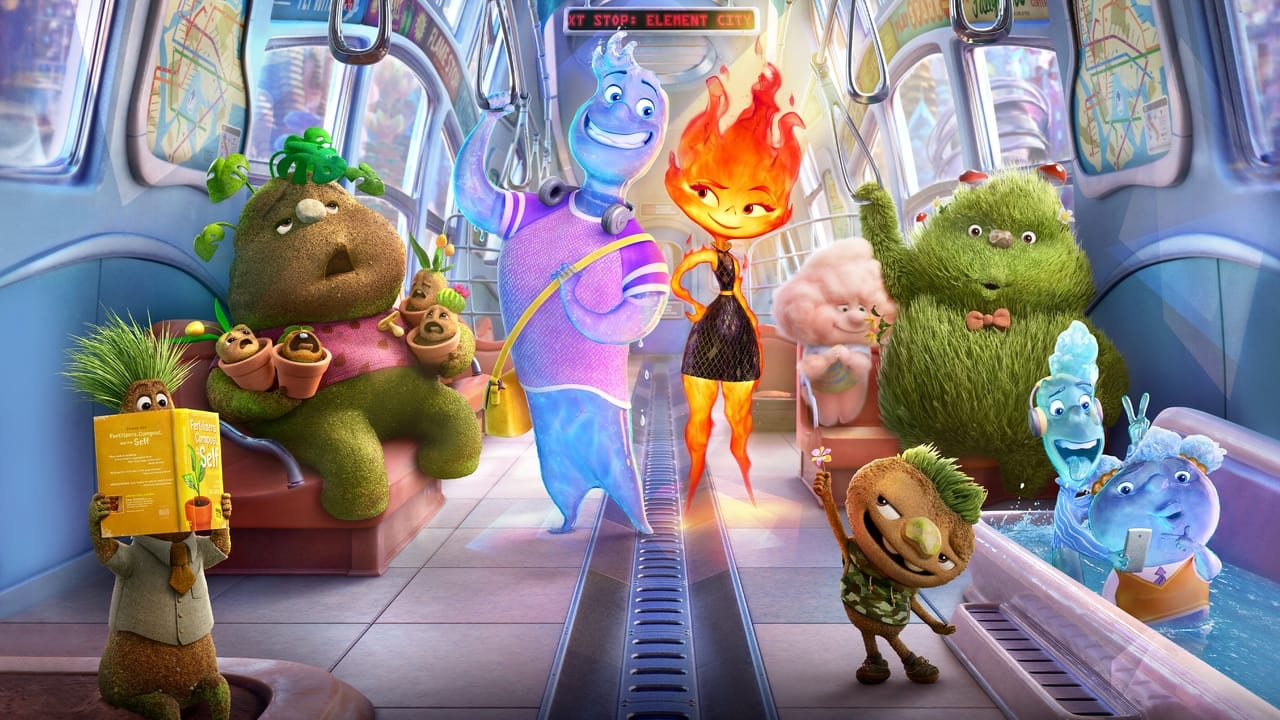
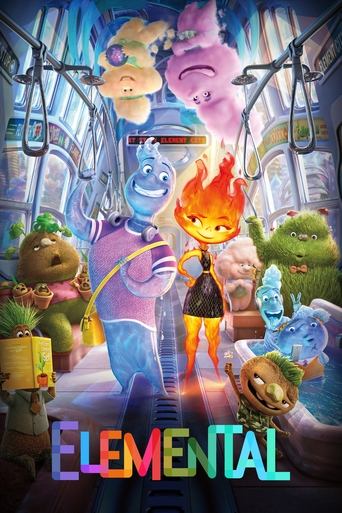
In the vibrant city of Elemental, where fire, water, land, and air elements coexist, Ember Lumen (Leah Lewis) is a fiery young woman struggling to find her place. Raised in a family of fire merchants, she feels pressured to carry on their legacy while battling the constraints of her fiery nature. Meanwhile, Wade Ripple (Mamoudou Athie) is a laid-back water guy who embraces spontaneity, presenting a stark contrast to Ember's fiery temperament. When they meet at an unexpected moment, sparks fly — quite literally — and their worlds collide in both chaotic and enlightening ways.
As their friendship develops, Ember must confront her ingrained biases against water residents, an internal struggle exemplified in a crucial scene where she nearly loses her cool during a flood at the market. Wade, with his go-with-the-flow attitude, challenges her perceptions and encourages her to embrace all aspects of herself, including the softer ones she often suppresses. Together, they navigate their feelings amidst the colorful backdrop of Elemental, facing societal norms and expectations that attempt to dictate their paths.
However, obstacles arise as Ember's family pressures her to focus on the family business, threatening the budding connection between her and Wade. The conflict escalates when a misunderstanding leads to a fiery confrontation, leaving Ember doubting if she can truly accept what it means to connect over differences. As she races to reconcile her feelings, the question remains: can two opposing elements really blend into something beautiful?
The film culminates in a heartwarming finale where both characters realize that their differences are what make their bond special. I kept waiting for a contrived happy ending, but instead, I found emotional honesty in their resolution. What stayed with me after the credits was the clear message that love can transcend boundaries, even those set by nature itself.
Direction & Cinematography
Peter Sohn, known for his previous work on 'The Good Dinosaur,' brings a lively vibrancy to 'Elemental' through bright colors and imaginative world-building. The fluid animation captures the essence of each element, notably in a scene where Ember and Wade traverse the bustling market, showcasing the bright hues of fire against the blue undertones of water. This visual contrast symbolizes their differences and sets the emotional tone for their relationship.
Pacing-wise, Sohn balances light-hearted comedy with deeper emotional currents, though some scenes drag when the plot shifts to Ember’s family dynamics. I noticed a few moments that felt repetitive, particularly in her conversations with her father, which felt like a retread of earlier discussions. However, he adeptly uses humor and warmth to maintain an inviting tone, ensuring audiences remain engaged throughout.
What surprised me most was the layered direction Sohn applied to how the elements interacted physically. In one scene, Ember and Wade’s playful water-fighting evolves into a tender moment where they share their vulnerabilities. The direction emphasizes not just what they’re saying, but how their body language reflects their growing trust, adding a deeper resonance to their connection. This choice elevated the emotional stakes and made their journey feel more genuine.
Cast & Performances
Leah Lewis delivers a vivid portrayal of Ember, capturing her fiery spirit and underlying insecurities. In one poignant moment, when she accidentally sets a small fire during a heated argument, her physical reaction — pulling back in shock — speaks volumes about her internal battle. Yet, I’ll admit I didn’t expect some of her comedic timing to land as well as it did, showcasing her versatility.
Mamoudou Athie shines as Wade, embodying a relaxed and humorous demeanor that complements Ember’s intensity. His line reading of, "Sometimes you’ve just gotta let it flow," feels both casual and profound, capturing the essence of his character’s philosophy. His reaction shot during their first encounter, where he looks genuinely surprised by Ember’s fiery outburst, adds depth to his character's charm, showing that he’s both amused and intrigued by her passion.
Supporting characters also bring life to the story, particularly Wendi McLendon-Covey as Ember’s mother. During a scene where she instructs Ember on family expectations, her tone shifts from authoritative to caring, revealing a more complex family dynamic. However, some of the secondary characters lack development, which can make them feel slightly one-dimensional in comparison to the leads.
Character Psychology
Ember wants to prove herself as a capable member of her family while also seeking independence. She struggles with her fiery nature, often feeling it isolates her from the world around her. What bothers me slightly is that it takes her longer than necessary to self-reflect and realize her potential. At times, I wished for a more immediate journey towards self-acceptance.
Wade, in contrast, needs connection and validation, but he also teaches Ember the importance of being open to the flow of life. His relaxed attitude hides a desire for deeper relationships, which ultimately leads him to challenge Ember’s views. The way both characters grow throughout the film feels authentic, even if Ember's realization takes longer than it ideally should.
Themes & Emotional Depth
At its core, 'Elemental' tackles issues of acceptance and understanding, particularly in a diverse society. The vivid representation of different elemental characters serves as a metaphor for how people from various backgrounds can coexist and learn from one another. In a scene where Ember and Wade attend a festival celebrating all elements, we see the beauty in their differences, showcased through colorful displays and interactions, reinforcing the theme of unity in diversity.
Another theme explored is the challenge of familial expectations. Ember’s struggle with her parents’ vision for her life adds a layer of complexity. During a pivotal moment when she realizes she can forge her own path, it illustrates the broader struggle many face between personal desires and family obligations. This conflict is relatable and adds depth to the narrative, driving home the point that finding one’s identity often means breaking away from normative expectations.
Memorable Scenes & Dialogue
One standout moment occurs when Ember accidentally causes a small fire in the market while trying to prove her worth. The scene is beautifully crafted, with animation that highlights the panic of the vendors and the chaos it creates. This moment works well because it captures the stakes of Ember's journey, showcasing the impact of her fiery nature on her surroundings.
Another memorable scene takes place during a heartfelt conversation between Ember and Wade on a park bench, where Wade shares his own fears about not fitting in. The intimate staging, paired with quiet animation that allows their emotions to shine through, creates a touching moment that feels both authentic and relatable. The combination of voice acting and animation truly elevates this exchange, grounding it in a way that resonates deeply with viewers.
The Ending — Does It Deliver?
The climax delivers both emotional catharsis and a sense of resolution that feels earned. As Ember faces a critical moment of decision regarding her future, it surprised me how the film subverted typical romantic tropes by focusing more on self-discovery than just romantic fulfillment. The final shot of Ember standing in front of her family, confidently embracing both her fiery side and the love she has for Wade, left me feeling hopeful and satisfied.
However, the resolution does come with a slight predictable feel, as I kept waiting for an unexpected twist that would challenge Ember’s growth. Instead, the film reinforces its primary message of acceptance, which, while heartwarming, doesn’t stray far from expected territory. Still, it’s a fitting conclusion that ties together the narrative threads effectively.
What Works
What works in 'Elemental' is the vibrant animation and clever concept that allows for imaginative storytelling. The relationship between Ember and Wade is endearing, particularly in scenes like their playful market encounter, where their chemistry is palpable. The film successfully uses color to represent their contrasting personalities, enhancing moments of tension and tenderness. It’s these details that elevate the film beyond a typical animated feature, making it enjoyable for viewers of all ages.
Honest Criticism
It bothered me slightly that some secondary characters, like Ember's parents, felt underdeveloped and did not contribute meaningfully to the central plot. Their one-dimensional portrayals limp along the story, making it hard for some of the emotional stakes to resonate fully. Additionally, certain comedic moments seemed forced, detracting from the film's emotional core when they should have been enhancing it instead.
How It Compares
Elemental shares thematic similarities with 'Zootopia' and 'Inside Out,' both of which explore identity and acceptance through unique settings and characters. While 'Elemental' excels in its imaginative world-building and visual style, it doesn’t quite reach the narrative depth or pacing of 'Inside Out,' which effectively captures the complexity of emotions. Conversely, it offers a fresh perspective with its elemental beings that set it apart from these other animated features, though it lacks some of their nuanced character arcs.
Legacy & Cultural Impact
With a current IMDb rating of 7.6/10, 'Elemental' has resonated with audiences, though it hasn’t entered the cultural conversation as strongly as Pixar's previous successes like 'Coco' or 'Up.' The film’s focus on diversity and connection in contemporary society sparks discussions about inclusivity and familial expectations. As animated films continue to explore deeper emotional territories, 'Elemental' contributes to this dialogue, particularly with its unique premise and visual storytelling, despite its familiar themes.
Upon its release, it received a mixed critical reception, which may impact its longevity in the animated canon. Nonetheless, the movie’s exploration of elemental differences adds a fun spin to traditional storytelling.
Behind the Scenes
Initially, the character designs were based on a simpler concept, but the team decided to push for more complex representations of the elements, which contributed to the film's unique aesthetic. Leah Lewis was cast as Ember after an extensive audition process that involved multiple rounds of voice tests. Additionally, the production faced challenges with scheduling due to the pandemic, resulting in some voice recording sessions being conducted remotely.
Who Should Watch It?
Families looking for a heartwarming story about acceptance and friendship will likely enjoy 'Elemental.' Viewers who appreciate vibrant animation and unique concepts will find much to love. Conversely, those seeking complex narratives or deeply layered characters might feel let down by some of the film’s more predictable elements.
Final Verdict
'Elemental' is a charming film that delivers on its imaginative premise and heartfelt message about connection. While it may falter in character depth and pacing at times, the overall experience is visually enchanting and emotionally resonant. If you’re looking for a colorful adventure that underscores the importance of acceptance, make sure to check this one out.
More details, ratings, and cast information on IMDb, TMDB, Wikipedia. YouTube