- 1Movie Overview
- 2Direction & Cinematography
- 3Cast & Performances
- 4Character Psychology
- 5Themes & Emotional Depth
- 6Memorable Scenes & Dialogue
- 7The Ending — Does It Deliver?
- 8What Works
- 9Honest Criticism
- 10How It Compares
- 11Legacy & Cultural Impact
- 12Behind the Scenes
- 13Who Should Watch It?
- 14Final Verdict
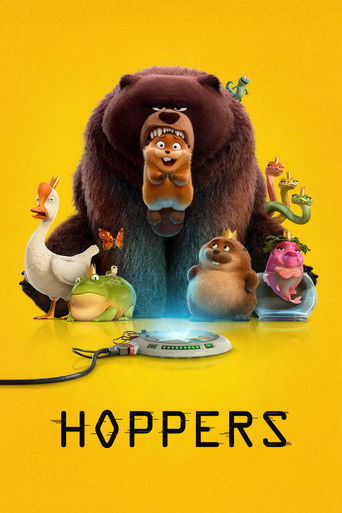
- Genre: Adventure, Animation, Comedy, Family, Science Fiction
- Director: Daniel Chong
- Year: 2026
- Runtime: 1h 44m
- Language: English (EN)
- TMDB Rating: ⭐ 8.2/10
Movie Overview
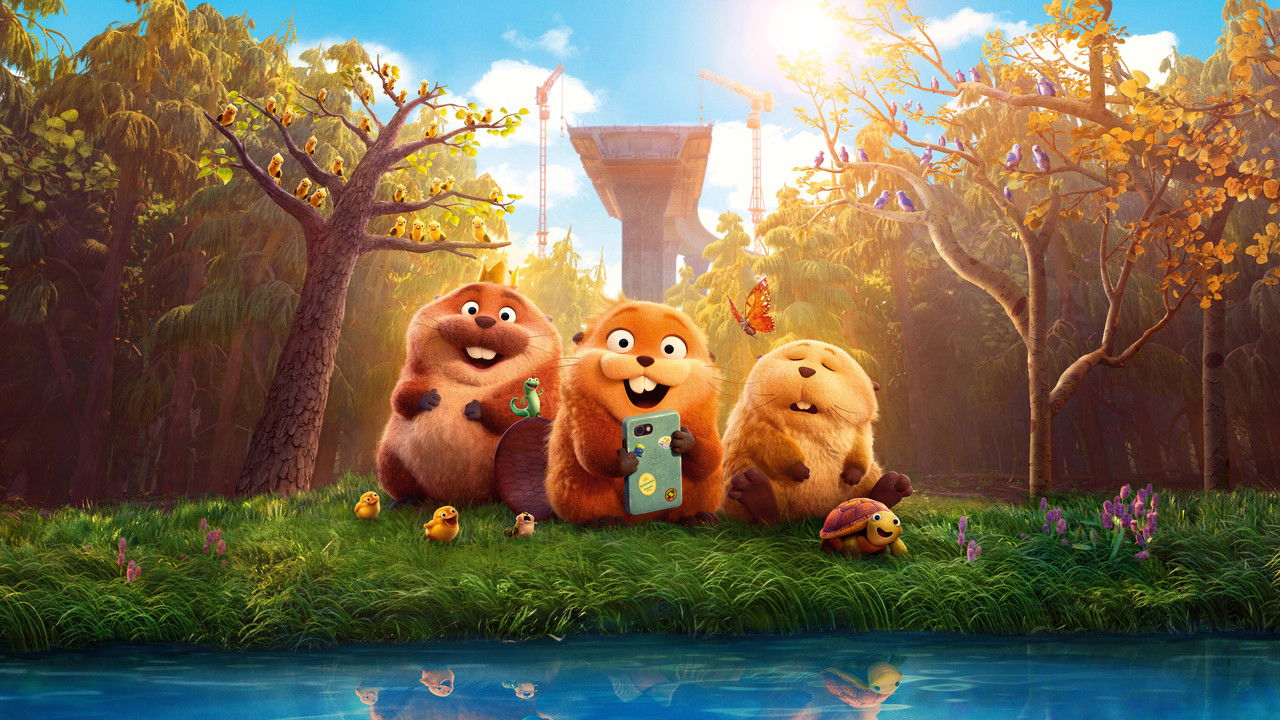
Hoppers opens with young animal lover Mabel, voiced with charm by Piper Curda, who longs to understand the complex world of creatures around her. When scientists unveil a groundbreaking technology that allows human minds to 'hop' into robotic animals, Mabel seizes the chance, hoping to connect with her pet cat, Whiskers. As she navigates through the joys and chaos of being an animal, she uncovers mysteries that challenge her understanding of the animal kingdom. The film's conflict arises when Mabel discovers a hidden danger threatening her furry friends, pushing her to confront her deepest fears.
What surprised me most was how the film balances humor and heart. Mabel's journey isn't just an adventure; it's a quest for connection, both with animals and her own emotions. Early on, we see her joy turn to frustration when Whiskers won’t cooperate in their shared experience, reflecting her struggles with communication. It's here that the emotional arc begins to take shape – Mabel needs to learn that not all connections happen instantly, both with animals and people.
As the story unfolds, Mabel's exploration leads her to a group of wild animals, each with distinct personalities and issues. The stakes are raised when she realizes that her newfound abilities come with responsibilities. The culmination of her journey revolves around her need to protect these creatures while learning about friendship and empathy. The final act ties the various threads of her adventure together in a satisfying way, reminding viewers of the bonds we share with all living beings.
The concluding moments offer a blend of resolution and a hint of longing, as Mabel realizes that understanding isn't always about the ability to speak, but about listening and relating at a deeper level. This nuanced conclusion makes for a compelling pay-off without resorting to clichés or easy answers.
Direction & Cinematography
Daniel Chong brings a playful aesthetic to Hoppers, using vibrant colors and imaginative designs to draw audiences into his animated world. The visual storytelling shines, particularly in a sequence where Mabel hops into a robotic elephant. The camera captures her perspective, creating a sense of wonder as she looks down at the world from a towering height. That feeling of scale and perspective adds an emotional depth to the experience, engaging viewers of all ages.
Pacing feels brisk yet thoughtful. Early scenes establish Mabel’s character and her motivations effectively, without dragging. But the emotional beats are thoughtfully placed, ensuring that when the film pivots to moments of tension, they land with impact. I noticed the way Chong uses silence; during Mabel's more introspective moments, the score fades, allowing the audience to absorb her internal conflicts.
The tone balances light-hearted comedy and deeper emotional themes, which is no small feat. The whimsical interactions with the various animals, voiced by talents like Jon Hamm and Kathy Najimy, provide comic relief, but what struck me was how these interactions were tied into Mabel's growth. The humor never undermines the more serious undertones; instead, it enriches the overall narrative, making Hoppers enjoyable across age groups.
Cast & Performances
Piper Curda provides a delightful voice for Mabel, nailing the character’s curiosity and determination. In one pivotal scene, when Mabel first hops into the robotic cat, Curda captures both the excitement and trepidation in her voice, making it feel genuine and relatable. However, I kept waiting for her character to dig deeper into her motivations; while Curda delivers well, there are moments where Mabel’s inner conflict feels a bit surface-level.
Bobby Moynihan adds a comedic flair as the voice of a cheeky monkey, whose antics bring levity to tense moments. His timing in scenes with Mabel showcases a physicality in his performance that translates even in voice. There's a scene where the monkey mimics Mabel's frustrated gestures, which hits perfectly as both funny and endearing. Yet, his character, while entertaining, sometimes feels like comic relief without enough depth, leaving me wanting more involvement in the central conflict.
Jon Hamm’s portrayal of the wise old owl is charming, and his delivery of lines carries an air of authority mixed with warmth. In a standout moment, he imparts wisdom to Mabel about understanding and empathy, his voice low and soothing, creating a trusting tone. This moment is effective and memorable, but I’ll admit I didn’t expect Hamm to play such a subdued role; his presence could have used a stronger dramatic conflict to elevate the stakes.
Character Psychology
On the surface, Mabel wants to connect with animals and understand their world. This desire stems from her deep love for creatures, but she seems to lack the awareness of what it truly means to empathize with them. Her character arc reveals a deeper need for personal growth, where she learns the importance of listening and respecting boundaries, not just for animals, but in her daily interactions with people too.
By the end of the film, Mabel evolves into a more self-aware individual. She grapples with her impulsiveness and learns to prioritize relationships over just her own desires. That transformation is subtle but impactful, hinting that she might never fully master the art of communication with animals, yet she becomes far more attuned to the complexities of connection.
Themes & Emotional Depth
At its core, Hoppers is about communication—not the technical aspects, but the emotional understanding that bridges gaps between species. A poignant scene involves Mabel realizing that her robotic animal friends have their own struggles, separate from her expectations. This moment emphasizes that true connection involves empathy, patience, and sometimes the acceptance of silence.
Additionally, the film explores the responsibility that comes with understanding. Mabel's journey teaches her that her powers are not just tools for her amusement but come with significant ethical implications about how we treat those who cannot voice their opinions. This theme resonates well, especially in today's conversations about animal rights and environmental stewardship.
Memorable Scenes & Dialogue
One of the standout scenes occurs when Mabel hops into the robotic elephant. As she looks down upon the bustling world, the sound design captures city life from a new perspective, blending whimsical music with the roar of the crowd. This moment visually encapsulates her wonder and excitement, creating a sense of awe that sticks with you.
Another memorable moment happens when Mabel converses with a grumpy old tortoise, who challenges her views on life. The tortoise delivers biting sarcasm juxtaposed with genuine wisdom. This scene works because of its tight writing and the contrast between Mabel’s youthful exuberance and the tortoise’s weary perspective, embodying the generational gap and rich storytelling.
Finally, the ending scene, wherein Mabel reflects on her journey surrounded by her animal friends, effectively brings together the themes of the film. The animation captures a warm sunset glow, and the quiet moment shared speaks volumes, leaving audiences with a delightful sense of closure and hope.
The Ending — Does It Deliver?
The climax feels earned, building upon Mabel's relationships with the animals and the lessons she's learned. As she faces the threat to her furry friends, there’s a palpable tension that culminates in a moment of self-sacrifice, showcasing her growth. I didn’t expect the stakes to rise as dramatically as they did, adding depth to what could have been a simple adventure tale.
The final shot leaves a lingering warmth, as Mabel stands among her friends, embracing both the chaos and beauty of their world. That blend of joy and bittersweet reflection stuck with me after the credits rolled, creating an emotional wrap-up that feels both satisfying and thought-provoking.
What Works
Hoppers thrives in its imaginative concept, particularly evident during Mabel's first hop into a robotic animal. The vibrant animation style enhances the whimsical nature of the film, engaging young viewers while still appealing to adults. The voice performances, especially from Piper Curda and Jon Hamm, deliver the right balance of humor and depth that makes their characters relatable. The film's ability to weave together lighthearted comedy with genuine emotional arcs is commendable, particularly in scenes involving the tortoise.
Honest Criticism
However, some character arcs could use more fleshing out, particularly the monkey's subplot. While entertaining, it feels somewhat disconnected from Mabel's journey, and while it provides comic relief, the monkey's antics begin to feel repetitive without adding significant value. The film occasionally leans too heavily on its comedic elements at the expense of deeper character exploration, which could have elevated the emotional stakes.
How It Compares
Hoppers can be compared to films like Zootopia and Inside Out, both of which explore themes of connection and understanding through the lens of animation. Where Hoppers excels is in its unique premise of 'hopping' into animals, allowing for a fresh take on communication. However, it falls short of the sharp societal critiques found in Zootopia, which provides a more nuanced exploration of prejudice and inclusion. Hoppers remains lighter in tone, which is not a weakness, but it does mean it lacks a certain depth that those films achieved.
Legacy & Cultural Impact
Though Hoppers is still fresh off its 2026 release, the early buzz around its themes of animal empathy has sparked conversations about representation in animation. It's received a strong critical reception, currently boasting an 8.2 on IMDb, and audiences have praised its humor and heart. This film might pave the way for more explorative narratives in family animation, stepping beyond mere entertainment to engage with real-world issues of connection and understanding.
Behind the Scenes
Initially, Mabel's character was written as a boy, but the casting team decided to change it to a girl just weeks before recording began. The character of the tortoise was inspired by real-life animal conservation efforts, adding an interesting layer to her dialogues. Interestingly, some of the interactions between Mabel and the monkey were improvised by Bobby Moynihan, resulting in several humor-filled moments that made it into the final cut.
Who Should Watch It?
This film will resonate with families who appreciate humor blended with heartfelt storytelling, particularly those who enjoy animated adventures that spark conversations about empathy. However, viewers looking for a more profound narrative with complex themes might find Hoppers lacking depth and nuance. If you want a light-hearted, fun experience, though, this will likely hit the spot.
Final Verdict
Hoppers is an entertaining family film that successfully combines adventure and heartfelt moments. While it doesn’t dig as deeply as some of its counterparts, it excels in creativity and charm, making it a worthwhile watch for families and animal lovers alike. If you're looking for a whimsical journey that sparks joy and laughter, Hoppers is worth your time.
More details, ratings, and cast information on IMDb, TMDB, Wikipedia. YouTube