- 1Movie Overview
- 2Direction & Cinematography
- 3Cast & Performances
- 4Character Psychology
- 5Themes & Emotional Depth
- 6Memorable Scenes & Dialogue
- 7The Ending — Does It Deliver?
- 8What Works
- 9Honest Criticism
- 10How It Compares
- 11Legacy & Cultural Impact
- 12Behind the Scenes
- 13Who Should Watch It?
- 14Final Verdict
- Genre: Horror, Thriller
- Director: Leigh Whannell
- Year: 2015
- Runtime: 1h 37m
- Language: English (EN)
- TMDB Rating: ⭐ 6.3/10
Movie Overview
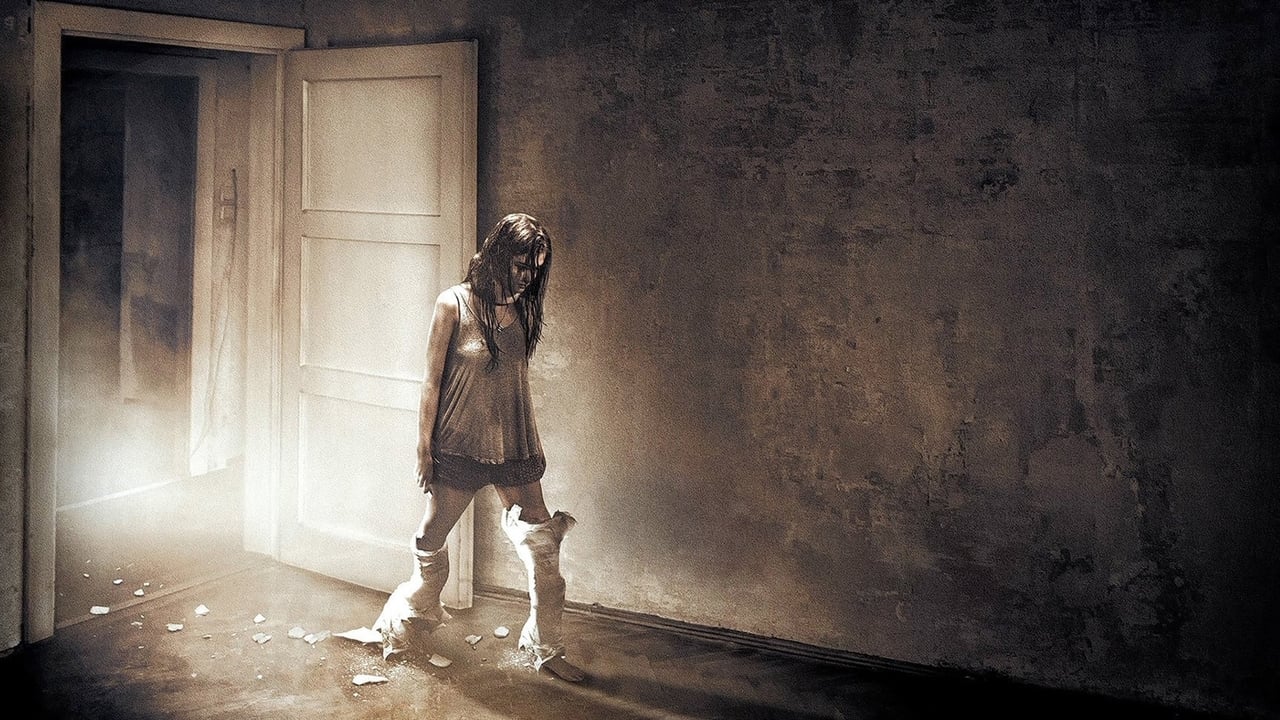
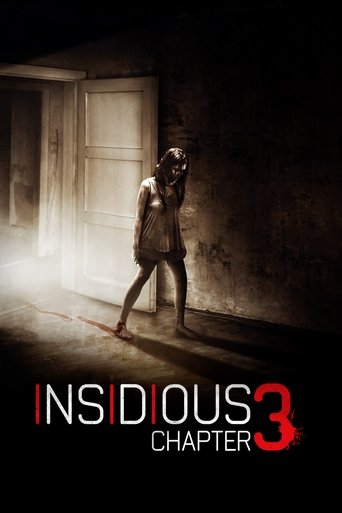
Insidious: Chapter 3 opens with a chilling prologue where Elise Rainier (Lin Shaye) reflects on the aftermath of her past encounters with malevolent spirits. Set in modern-day Los Angeles, the story shifts focus to Quinn Brenner (Stefanie Scott), a teenage girl haunted by the spirit of her deceased mother. Desperate to communicate, Quinn seeks Elise's help but finds herself thrown into a world of terror as the dark forces begin to target her. What starts as a quest for closure swiftly escalates into a battle for survival.
As Quinn's visions intensify, she spirals into isolation, struggling to convince her concerned father (Dermot Mulroney) and skeptical friends of the danger lurking just beyond the observable world. The film crafts a tension-filled narrative that blends typical horror tropes with deeper emotional undercurrents, revealing how grief can manifest into something far more sinister. The stakes become personal as Quinn is drawn into the depths of 'The Further', placing her life at risk.
I kept waiting for more insight into 'The Further' — the lore established in previous films has always intrigued me, yet here it felt a tad rushed. The pacing wavers between nail-biting suspense and uneven character development, particularly when it comes to Quinn's interactions with Elise. The climax builds up to a showdown that, while thrilling, ultimately felt predictable.
What stayed with me after the credits was not the horror elements but rather the emotional journey of its characters. The blend of family dynamics and grief adds layers to the otherwise straightforward horror path, making it somewhat of a coming-of-age tale, albeit one with malevolent spirits lurking in the shadows.
Direction & Cinematography
Leigh Whannell directs this installment with a solid grasp of pacing, though it's not without its flaws. The film opens with a long shot of an empty street, setting a disquieting tone that permeates throughout. I noticed how Whannell often favors close-ups during tense moments, effectively amplifying the claustrophobic feeling that envelops Quinn as she confronts her fears. The direction is visually engaging, showcasing low lighting to create a pervasive sense of dread.
But the tonal shifts can feel jarring at times. There are moments where the film veers into almost light-hearted territory with comedic elements, primarily through the two ghost hunters, Specs (Leigh Whannell) and Tucker (Angus Sampson). While their banter provides comic relief, it occasionally disrupts the mounting tension, pulling viewers out of the horror mindset and diluting the emotional stakes for Quinn.
What surprised me most was how the film navigates the theme of isolation through its direction. The use of shadows and empty spaces enhances Quinn's loneliness, making her fight against the unknown feel all the more visceral. The pacing, while uneven, does manage to hook you during pivotal sequences, creating an atmosphere that’s genuinely frightening at times.
Cast & Performances
Stefanie Scott as Quinn presents a compelling performance that balances vulnerability and determination. Her physicality during the moments she interacts with the supernatural — particularly when she's pinned against her bedroom wall — is effective, evoking a palpable sense of fear. I'll admit I didn't expect such depth from a relatively young actress, but she carries the emotional weight of the story well.
Lin Shaye shines as Elise, bringing a familiar warmth alongside her tough, no-nonsense attitude. The moment when she explains the risks of delving into 'The Further' is particularly affecting, as her eyes reveal her own haunted past. Still, it bothered me slightly that Elise's backstory remains somewhat surface-level, and I wanted more depth to her character, especially considering she's central to the franchise's lore.
Dermot Mulroney, while solid as Quinn's father, often plays the concerned parent trope a bit too generically. His reactions feel a tad underwhelming when compared to the chaos surrounding them. There’s a missed opportunity to explore his emotional arc more significantly when Quinn’s safety is at stake — making his character come off as somewhat reactive rather than proactive.
Character Psychology
Quinn wants to reconnect with her deceased mother, a surface-level desire that drives her actions throughout the film. However, what she truly needs is to confront her loneliness and fears rather than trying to escape them through communication with the dead. It's evident she lacks self-awareness, as her longing for connection blinds her to the risks involved.
By the end, she does confront her fears, but it's a painful journey. She learns that facing the darkness means understanding her vulnerabilities rather than seeking comfort in the past. While that offers some growth, it feels more like reactive change rather than proactive self-discovery.
Themes & Emotional Depth
Insidious: Chapter 3 explores themes of grief and isolation, particularly through Quinn's longing for her mother. There’s a poignant moment when Quinn, in a moment of desperation, realizes that her attempts to reconnect are putting her life at risk. This speaks volumes about how unresolved grief can manifest into destructive forces, both externally and internally.
Moreover, the parent-child dynamic showcases how family relationships can become strained in the face of tragedy. Quinn's father has his own struggles, which heightens the tension between them, ultimately forcing both characters to reckon with what they’ve lost. This layers the horror with a sense of tragic realism, acknowledging that the scariest monsters are often not supernatural.
Memorable Scenes & Dialogue
One standout moment occurs when Quinn first encounters a shadowy figure in her home. The tension is heightened by the cinematography, which uses tight framing to create an overwhelming sense of dread. Her panic feels palpable as the figure subtly creeps closer, expertly crafted through sound design that amplifies every creak and whisper in the room.
Another impactful scene features Elise's harrowing explanation of 'The Further' when she recalls her own traumatic experiences within it. The close-up shots of her tense expressions, combined with the soft yet foreboding music, convey a well of emotion that deepens her character's backstory, drawing viewers into her isolated struggles.
Finally, the film's climax — a desperate bid to save Quinn from the grasp of a malevolent demon — showcases a combination of impressive visual effects and potent performances that truly elevate the stakes. The pacing here is relentless, leaving viewers on the edge of their seats, wondering if Quinn will escape her fate.
The Ending — Does It Deliver?
The ending of Insidious: Chapter 3 was earned, thanks to the emotional stakes built throughout the film. Quinn’s confrontation with her fears, rather than merely a physical battle, adds a layer of complexity to the horror genre. I didn’t expect the final twist regarding Elise's fate, and it left a lingering unease that stayed with me long after the credits rolled.
That last shot of Quinn reflecting on her experiences while surrounded by her friends evokes a bittersweet feeling; she’s safe but forever changed. This makes it clear that the horror may have receded, but the scars remain. The emotional weight of her journey lingers, enhancing the overall impact.
What Works
What works in Insidious: Chapter 3 is its engaging emotional narrative that intertwines horror with the exploration of grief. The character dynamics, particularly Quinn and Elise, create a compelling bond that drives the story forward. One of the film's best scenes occurs when Elise confronts her own past, allowing Lin Shaye to showcase her range. The atmosphere is effectively eerie, supported by strong sound design that heightens tension, especially during pivotal jump scares.
Honest Criticism
What doesn’t work is the heavier reliance on jump scares that often feel formulaic. The comic relief provided by Specs and Tucker can disrupt the film's darker tone, hindering emotional engagement. Moreover, the pacing issues, particularly in the middle sections, make the narrative feel stretched, causing the audience's investment in the characters to wane at certain points. These elements detract from an otherwise solid horror experience.
How It Compares
When compared to other horror films like The Conjuring and Sinister, Insidious: Chapter 3 stands out for its focus on emotional backstory over pure scares. The way it incorporates the familial ties into the supernatural elements provides a unique angle that deepens the narrative. However, where it falls short is in its pacing — both The Conjuring and Sinister manage to keep a tighter grip on the audience’s attention, offering less of the tonal inconsistency that plagues Chapter 3.
While it excels in developing character connections, the reliance on familiar horror tropes can feel repetitive for genre veterans. It’s enjoyable for newcomers, but seasoned horror fans may find the reliance on jump scares a little tiresome.
Legacy & Cultural Impact
Insidious: Chapter 3 received mixed critical reception but performed reasonably well at the box office, grossing over $113 million worldwide against a budget of roughly $10 million. It has contributed to the ongoing conversation about the exploration of grief and trauma within the horror genre, influencing later films to blend emotional narratives with supernatural horror.
Its success has also solidified Lin Shaye's status as a key figure in the franchise, as her character's backstory ties into the overarching narrative of the Insidious series, creating a richer lore that resonates with audiences familiar with the earlier installments.
Behind the Scenes
One interesting fact is that Lin Shaye's character was originally not intended to have such a prominent backstory, but due to her compelling performance, the script was revised to delve deeper into Elise's past. Additionally, the production faced challenges with budget constraints which led to minimalist set designs that contribute to the film's eerie atmosphere. Finally, the casting of Stefanie Scott was a last-minute decision after other potential leads were unavailable, and her chemistry with Shaye turned out to be one of the film's strengths.
Who Should Watch It?
Fans of the Insidious franchise will likely appreciate this third installment for its deeper dive into character backstories. Teen horror aficionados drawn to emotional narratives intertwined with supernatural elements may find much to enjoy here. However, those who prefer pure, traditional horror without comedic interludes or predictable jump scares should probably skip this one.
Final Verdict
Insidious: Chapter 3 offers a worthwhile expansion of the franchise, particularly through its character-driven approach and emotional stakes. While it struggles with pacing and occasional tonal inconsistencies, the performances, especially by Lin Shaye and Stefanie Scott, elevate the material. If you’re looking for a horror film that balances scares with emotional depth, it might just be worth your time.
More details, ratings, and cast information on IMDb, TMDB, Wikipedia. YouTube