- 1Movie Overview
- 2Direction & Cinematography
- 3Cast & Performances
- 4Character Psychology
- 5Themes & Emotional Depth
- 6Memorable Scenes & Dialogue
- 7The Ending — Does It Deliver?
- 8What Works
- 9Honest Criticism
- 10How It Compares
- 11Legacy & Cultural Impact
- 12Behind the Scenes
- 13Who Should Watch It?
- 14Final Verdict
- Genre: Comedy, Crime, Thriller
- Director: Martin Brest
- Year: 1988
- Runtime: 2h 6m
- Language: English (EN)
- TMDB Rating: ⭐ 7.2/10
Movie Overview
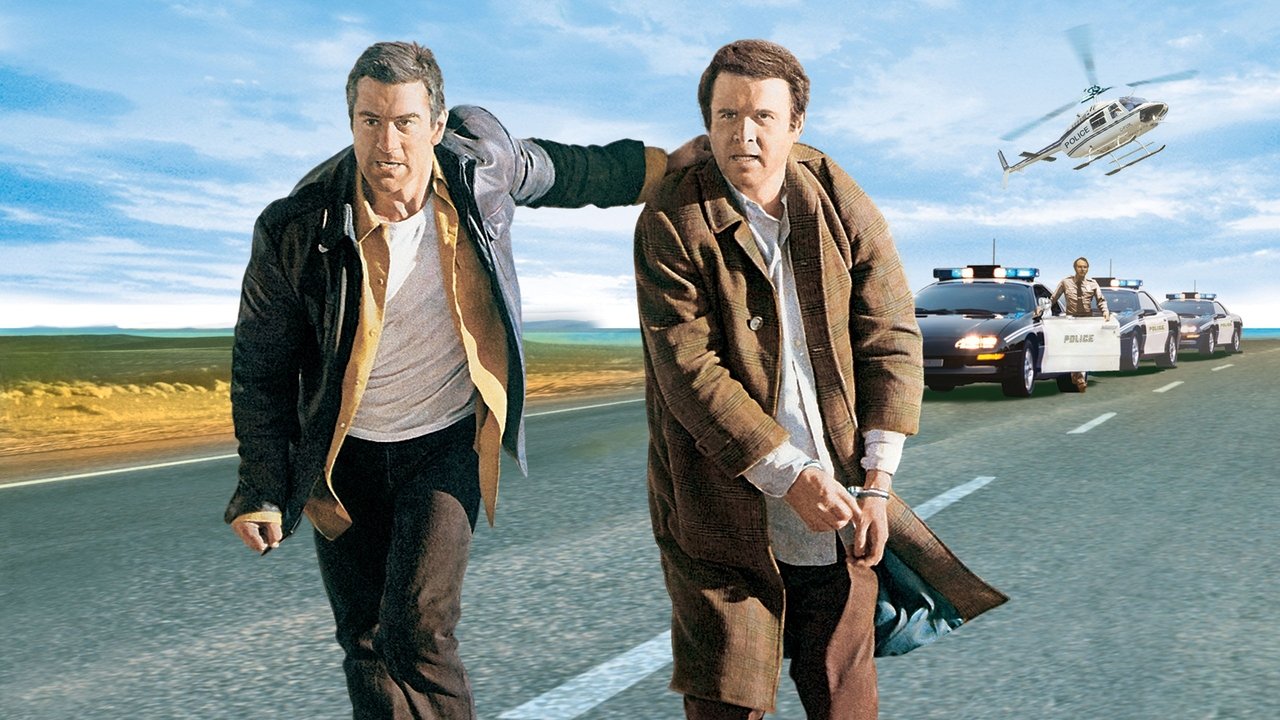
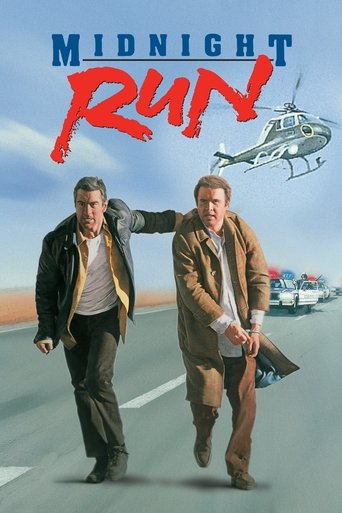
Jack Walsh (Robert De Niro) is a bounty hunter with a knack for getting the job done but not much else. When he’s hired to track down Jonathan Mardukas (Charles Grodin), a mild-mannered accountant who stole from the mob, it seems like an easy payday. But things quickly spiral out of control. The FBI wants Jonathan. So does a rival bounty hunter. And, of course, there’s the mob. What starts as a simple retrieval turns into a cross-country chase filled with train rides, plane escapes, and diner encounters. The film’s setup is straightforward, but its execution is anything but. Jack and Jonathan’s journey becomes less about the money and more about the unlikely bond they form. Their dynamic shifts from reluctant allies to something deeper, even if neither would admit it. What stayed with me after the credits was how much the film trusts its characters to carry the story. It’s not just about getting from point A to point B—it’s about who these two men become along the way. And while the plot twists keep things moving, the emotional core is what lingers.
Direction & Cinematography
Martin Brest, fresh off Beverly Hills Cop, directs Midnight Run with a steady hand. What struck me was how he balances tone—this could have easily tipped into slapstick or overly grim territory, but it avoids both. Brest lets the humor arise naturally from the characters and situations. Take the scene where Jack and Jonathan argue in a diner about whether Jonathan’s $100,000 theft was justified. It’s staged like a classic two-hander, with the camera cutting between them as they trade barbs. But the tension is undercut by the absurdity of their predicament. Brest also knows when to let the film breathe. The quiet moments between Jack and Jonathan—like their late-night conversation on a train—are just as compelling as the action set pieces. That said, the pacing occasionally falters. The FBI subplot, while necessary, feels like it’s stalling the main story. But overall, Brest keeps the film grounded in its characters, and that’s what makes it work.
Cast & Performances
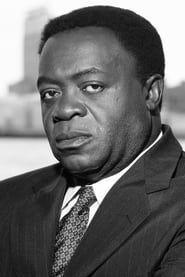
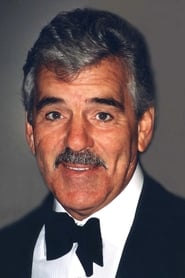
Robert De Niro’s Jack Walsh is a departure from his usual intense roles. Here, he’s gruff but not unhinged, and it’s refreshing. De Niro’s physicality—his weary posture, his exasperated sighs—makes Jack feel like a guy who’s been through the wringer. I’ll admit I didn’t expect how much humor he’d bring to the role. Charles Grodin, on the other hand, is the perfect foil. His Jonathan is fussy, nervous, and deeply principled, and Grodin plays him with a deadpan sincerity that’s hilarious. Watch his face during the scene where Jack threatens to throw him out of a plane—it’s a masterclass in subtle comedy. Yaphet Kotto as FBI agent Alonzo Mosely gets some great moments, but his character feels underused. John Ashton’s rival bounty hunter Marvin Dorfler is more caricature than character, though he serves his purpose. But it’s De Niro and Grodin who carry the film. Their chemistry is the engine that keeps it running.
Character Psychology
Jack Walsh wants one thing: to get paid. He’s a practical man, and he doesn’t have time for moral dilemmas. But over the course of the film, it becomes clear that what Jack really needs is connection. He’s isolated, both professionally and personally, and Jonathan’s relentless optimism starts to chip away at his cynicism. Jonathan, meanwhile, wants to avoid jail and clear his name. But what he needs is to feel valued. His theft was an act of rebellion against a system that exploited him, and Jack’s respect becomes a form of validation. Neither man fully articulates these needs, but they don’t have to. The film trusts us to see it in their actions—the way Jack softens, the way Jonathan stands up for himself. By the end, they’re not just partners; they’re something like friends.
Themes & Emotional Depth
Midnight Run is, at its core, about trust. Jack and Jonathan’s relationship is built on a series of small acts of trust—sharing a meal, admitting past mistakes, risking their lives for each other. The film suggests that trust isn’t something you earn all at once; it’s built moment by moment. It’s also about redemption. Jack’s arc is subtle but clear—he starts the film as a man who’s given up on himself, and ends it with a renewed sense of purpose. Jonathan’s journey is more external, but no less meaningful. Together, they remind us that it’s never too late to change.
Memorable Scenes & Dialogue
The diner scene is a standout. Jack and Jonathan argue over ethics while eating pancakes, and it’s both hilarious and revealing. The writing is sharp, but it’s the actors’ timing that sells it. Another highlight is the plane escape sequence. Jack pretends to be a pilot, and Jonathan’s panicked reactions are comedy gold. The film’s climax, set in a train yard, is tense and satisfying. It’s a perfect example of how to tie together action and character—every decision feels earned.
The Ending — Does It Deliver?
The ending works because it stays true to the characters. Jack and Jonathan’s final confrontation is both suspenseful and emotionally satisfying. I kept waiting for a reveal that would undermine their bond, but it never came—and that’s a good thing. The film trusts its audience to understand the weight of their choices. The final shot, with Jack walking away, feels bittersweet but right. It’s not a tidy resolution, but it’s an honest one.
What Works
The chemistry between De Niro and Grodin is the film’s greatest strength. Their banter feels natural, and their emotional moments land without being forced. The script, written by George Gallo, is tight and funny, with just enough depth to keep it from feeling shallow. The pacing, while occasionally uneven, keeps the story moving forward. And the action sequences are well-staged and grounded in the characters’ personalities.
Honest Criticism
The FBI subplot feels tacked on, and Yaphet Kotto’s character doesn’t get enough to do. John Ashton’s bounty hunter is more comic relief than threat, which undermines the stakes. The film’s runtime is a bit long—some of the middle scenes could have been trimmed without losing anything essential.
How It Compares
Midnight Run shares DNA with films like Butch Cassidy and the Sundance Kid and 48 Hrs. Like Butch Cassidy, it’s a buddy movie with a sense of melancholy beneath the humor. Where it falls short is in its supporting characters—they’re more functional than memorable. Compared to 48 Hrs., it’s less edgy but more cohesive. Both films rely on the chemistry between their leads, but Midnight Run feels more grounded.
Legacy & Cultural Impact
Midnight Run was a modest success at the box office, grossing $38 million against a $30 million budget. Critics praised De Niro and Grodin’s chemistry, and the film has since gained a cult following. It’s often cited as one of the best buddy comedies of the ’80s, and its influence can be seen in later films like The Fugitive and Lethal Weapon. Its blend of humor and heart still feels fresh today.
Behind the Scenes
Robert De Niro initially turned down the role because he didn’t want to do a comedy. He changed his mind after reading the script. Charles Grodin’s casting was a last-minute decision—the producers wanted someone more traditionally “funny.” The film’s iconic train scene was shot on a real moving train, which caused logistical headaches.
Who Should Watch It?
Fans of buddy comedies and road movies will love Midnight Run. It’s also a great pick for anyone who enjoys character-driven action. Those looking for non-stop laughs or high-octane thrills might find it too slow.
Final Verdict
Midnight Run is a smart, funny, and surprisingly heartfelt film that still holds up. It earns its 8.2 rating thanks to De Niro and Grodin’s flawless chemistry and a script that balances humor and tension. While it’s not perfect, it’s a film that rewards repeat viewings. Watch it for the performances—you won’t regret it.
More details, ratings, and cast information on IMDb, TMDB, Wikipedia. YouTube