- 1Movie Overview
- 2Direction & Cinematography
- 3Cast & Performances
- 4Character Psychology
- 5Themes & Emotional Depth
- 6Memorable Scenes & Dialogue
- 7The Ending — Does It Deliver?
- 8What Works
- 9Honest Criticism
- 10How It Compares
- 11Legacy & Cultural Impact
- 12Behind the Scenes
- 13Who Should Watch It?
- 14Final Verdict
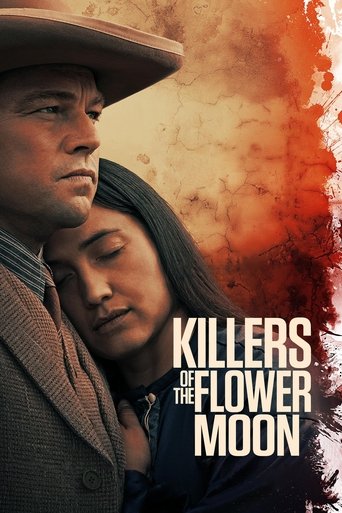
- Genre: Crime, History, Drama
- Director: Martin Scorsese
- Year: 2023
- Runtime: 3h 26m
- Language: English (EN)
- TMDB Rating: ⭐ 7.4/10
Movie Overview
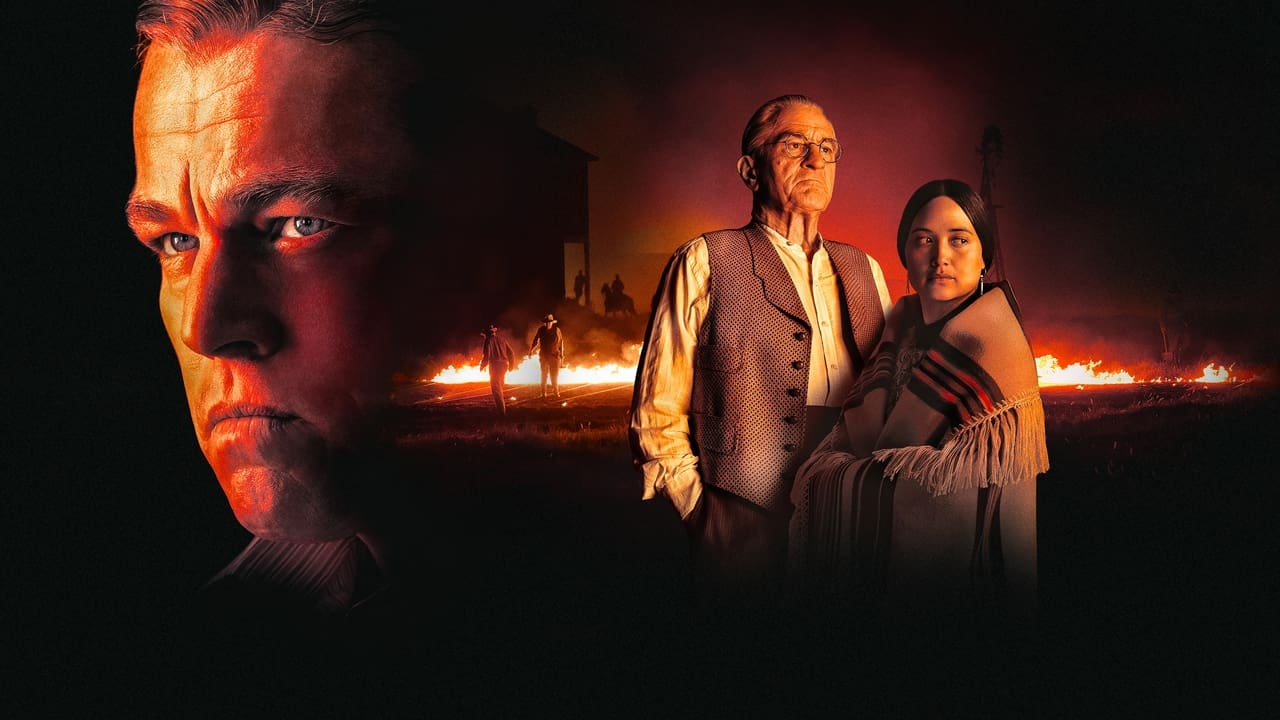
Killers of the Flower Moon opens in 1920s Oklahoma, where the Osage Nation has struck oil beneath their land. This newfound wealth attracts outsiders, and soon, the Osage people start disappearing under mysterious and violent circumstances. Ernest Burkhart, played by Leonardo DiCaprio, is the nephew of powerful cattleman William Hale, portrayed by Robert De Niro. As the deaths increase, Burkhart finds himself entangled in a web of deceit and greed. The film's tension escalates as the newly formed FBI steps in, with agent Tom White (Jesse Plemons) determined to uncover the truth.
Ernest's relationship with Mollie Burkhart, played by Lily Gladstone, forms the emotional core of the film. Their bond is tested as the investigation unfolds, revealing dark secrets within the community and Hale's insidious influence. What struck me most was how the film captures the personal stakes in this historical tragedy, making the broader themes of exploitation and betrayal feel urgent and immediate, rather than just distant history.
As the narrative progresses, the tension morphs into a slow burn, allowing the audience to digest the horror of each revelation. There's a sense of dread that lingers, especially when we see the gap between the opulence of the Osage Nation's wealth and the brutality inflicted upon them. By the final act, the film becomes an intense confrontation between justice and the systemic failings that allowed these crimes to go unchecked for too long. I kept waiting for a moment of redemption or catharsis, but what I got was a stark reminder of the injustices that still resonate today.
The film concludes with powerful imagery that challenges viewers to grapple with the aftermath of these events. Rather than providing easy resolutions, Killers of the Flower Moon leaves us with questions about accountability and morality. The emotional arc is complex, particularly for Mollie, whose journey is both heartbreaking and enlightening. What stayed with me after the credits was the unsettling understanding of how historical narratives often overlook the voices that matter most.
Direction & Cinematography
Killers of the Flower Moon is directed by Martin Scorsese, who once again demonstrates his ability to immerse viewers in a richly detailed world. The cinematography by Rodrigo Prieto stands out; particularly, the decision to linger on the wide Oklahoma landscapes highlights the beauty and isolation of the Osage Nation. That opening shot, where the camera glides over the land before an oil well comes into view, sets the tone for the film's themes of exploitation and discovery.
Pacing is an essential element in this film, especially given its lengthy 206-minute runtime. Scorsese takes his time with character development, creating a sense of intimacy with the Osage people. I noticed how moments of tension are punctuated by quieter scenes, allowing laughter and joy to coexist with the impending doom that surrounds the characters. But this patient pacing also risks losing the momentum in places, particularly in the middle, where the plot can feel stretched.
Emphasis on tone can shift rapidly, making viewers acutely aware of the harsh realities faced by the Osage. There are moments of stark violence that contrast sharply with almost serene depictions of daily life in Osage in the early 20th century. What surprised me most was how Scorsese managed to keep that balance, forcing us to confront the horrors while still allowing for moments of tenderness and resilience amidst the tragedy.
Cast & Performances
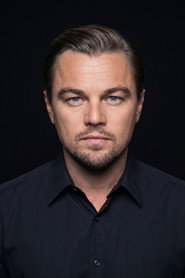
Leonardo DiCaprio as Ernest Burkhart gives a layered performance that oscillates between charm and moral ambiguity. In one poignant scene, he struggles with his conflicting loyalties as he sits at the family dinner table, visibly torn about the implications of his uncle's actions. This moment is crucial as it highlights his internal conflict, making the audience question his ultimate motivations.
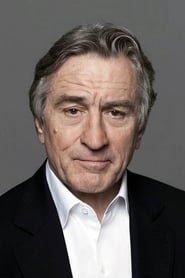
Robert De Niro's portrayal of William Hale is chilling in its understated menace. Hale carries a weight of authority, yet there's a slyness in De Niro's cold demeanor that unsettles. In a particular scene where he discusses the Osage wealth with Ernest, the casual way he dismisses their lives feels like a punch to the gut, showcasing how privilege can corrupt moral understanding. However, I wasn't expecting his character to lack depth at times; there are moments when Hale's motivations feel one-dimensional, serving more as a narrative device than as a fully fleshed-out character.
Lily Gladstone shines as Mollie Burkhart, bringing a quiet strength that contrasts with the tumult around her. Her reaction to the loss of family members is hauntingly powerful; in one scene, her gaze says more than words ever could. She embodies the pain and resilience of her community, and I kept waiting for her to have a more central role in the resolution of the plot, but she often remains a passive victim of the chaos wrought by the men around her.
Character Psychology
Ernest Burkhart seems driven by a desire for approval and love, particularly from his uncle Hale. On the surface, he wants to live the American dream, but beneath that, he grapples with guilt and complicity. His character arc is complex but ultimately revolves around self-deception and moral failure. Rather than emerging as a hero, he becomes a tragic figure trapped by his own choices.
Mollie Burkhart, on the other hand, represents the strength and fragility of the Osage Nation. She seeks justice and safety for her family but needs recognition of her humanity and culture. Unfortunately, she often finds herself at the mercy of men making decisions for her. By the end, one can argue that she doesn’t get what she truly needs — autonomy and agency — which is both frustrating and realistic.
Themes & Emotional Depth
At its core, Killers of the Flower Moon tackles themes of greed and exploitation, mirroring broader social issues that continue today. The way the Osage people are depicted serves as a critique of how society often overlooks marginalized communities for economic gain. This is particularly evident in scenes where local law enforcement is depicted as complicit or indifferent, allowing violence to fester unchecked.
The film also explores the complexities of loyalty and betrayal. Ernest’s struggle between love for Mollie and loyalty to his uncle encapsulates a painful choice between personal relationships and ethical responsibilities. This duality speaks to the heart of familial ties and moral corruption, making the audience question how far one would go to protect family in the face of wrongful acts.
Memorable Scenes & Dialogue
One standout scene occurs when Mollie and Ernest share a quiet moment in the moonlight, surrounded by the haunting beauty of their land. The way the scene is staged, with close-ups on their faces and the soft glow, conveys an intimate connection that starkly contrasts with the violence lurking in the shadows. It’s this juxtaposition that makes the gravity of their situation hit harder.
Another effective moment is when the FBI team conducts a raid to uncover evidence in Hale's home. The tension in the room is palpable, with the camera capturing the nervous energy of the agents as they sift through the dark secrets hidden within walls. This scene isn’t just about action; it reveals the stakes of the investigation and the moral implications of justice being served.
The Ending — Does It Deliver?
The climax succeeds in delivering an emotional punch, especially as tensions reach their boiling point, leading to revelations that were both expected and surprising. I felt a mix of dread and anticipation, as the film's pacing had prepared me for a significant shift. The choices made by the characters in those final moments left me grappling with the implications of justice and accountability.
As the film concludes, it offers a chilling look at the aftermath of the events, and that final shot of Mollie standing against the Oklahoma landscape felt hauntingly significant. It left me with a sense of unresolved pain, emphasizing the film's commitment to highlighting the real-life stories that remain silenced.
What Works
The film effectively captures the emotional weight of historical injustices, particularly through the performances of Gladstone and DiCaprio. One of the strongest scenes is when Mollie confronts Ernest about his family’s involvement in her people's suffering; the pain and anger in her voice is palpable. The cinematography enhances the emotional stakes, especially during the quiet, contemplative moments that allow the audience to reflect on the ongoing impact of these events. Scorsese's direction ensures that the film remains engaging despite its lengthy runtime, weaving personal stories into the broader narrative without losing focus.
Honest Criticism
However, some subplots, particularly involving the FBI's investigation, occasionally feel underdeveloped. There are moments where the film seems more interested in exploring Ernest’s personal journey, leaving the larger implications of the Osage murders somewhat sidelined. This lack of focus on the systemic issues detracts from the overall impact of the narrative, especially when considering the weighty themes it attempts to address. I found myself wishing for a deeper exploration of the Osage community's resilience amidst the tragedy, which at times felt overshadowed by individual characters’ arcs.
How It Compares
Killers of the Flower Moon draws parallels to other historical dramas like No Country for Old Men and There Will Be Blood, both of which similarly explore themes of greed and moral decay. However, where Scorsese's film excels is in its character depth and historical context; it doesn’t simply portray violence as a narrative device, but rather as a reflection of systemic issues. Yet, it occasionally lacks the relentless tension seen in No Country for Old Men, resulting in moments that can feel drawn out and slightly less urgent.
Legacy & Cultural Impact
As of now, Killers of the Flower Moon has garnered nominations for several awards, including Best Picture and Best Director at the upcoming Oscars. Its critical reception has sparked renewed conversations about the representation of Indigenous peoples in cinema and the importance of telling these historically overlooked stories. The film has the potential to influence future narratives around similar themes, pushing for more in-depth explorations of marginalized experiences in mainstream cinema.
Behind the Scenes
Interestingly, the film's production faced challenges in securing accurate representation, leading Scorsese to collaborate closely with members of the Osage Nation for authenticity. Martin Scorsese initially sought to adapt the story back in the 1990s, but it wasn't until the recent resurgence in interest regarding Native American narratives that the project finally came to fruition. Additionally, several cast members, including Jesse Plemons, participated in real-life interviews with Osage descendants to ground their performances in authenticity.
Who Should Watch It?
This film will resonate with viewers who appreciate slow-burn dramas that dive deep into historical events and their emotional repercussions. Fans of Scorsese's previous works will likely find much to engage with here. Conversely, those looking for a tightly-paced thriller or action-oriented narrative might be disappointed by its methodical approach and lengthy runtime.
Final Verdict
I recommend Killers of the Flower Moon for its powerful storytelling and strong performances, particularly from Gladstone and DiCaprio. While it occasionally stumbles with pacing and character focus, the film ultimately offers a compelling introspection on historical injustices that remain relevant today. Watch it for an eye-opening look at a dark chapter of American history, but be prepared for a challenging emotional journey.
More details, ratings, and cast information on IMDb, TMDB, Wikipedia. YouTube