- 1Movie Overview
- 2Direction & Cinematography
- 3Cast & Performances
- 4Character Psychology
- 5Themes & Emotional Depth
- 6Memorable Scenes & Dialogue
- 7The Ending — Does It Deliver?
- 8What Works
- 9Honest Criticism
- 10How It Compares
- 11Legacy & Cultural Impact
- 12Behind the Scenes
- 13Who Should Watch It?
- 14Final Verdict
- Genre: Animation, Action, Comedy, Family
- Director: Bibo Bergeron
- Year: 2004
- Runtime: 1h 30m
- Language: English (EN)
- TMDB Rating: ⭐ 6.0/10
Movie Overview
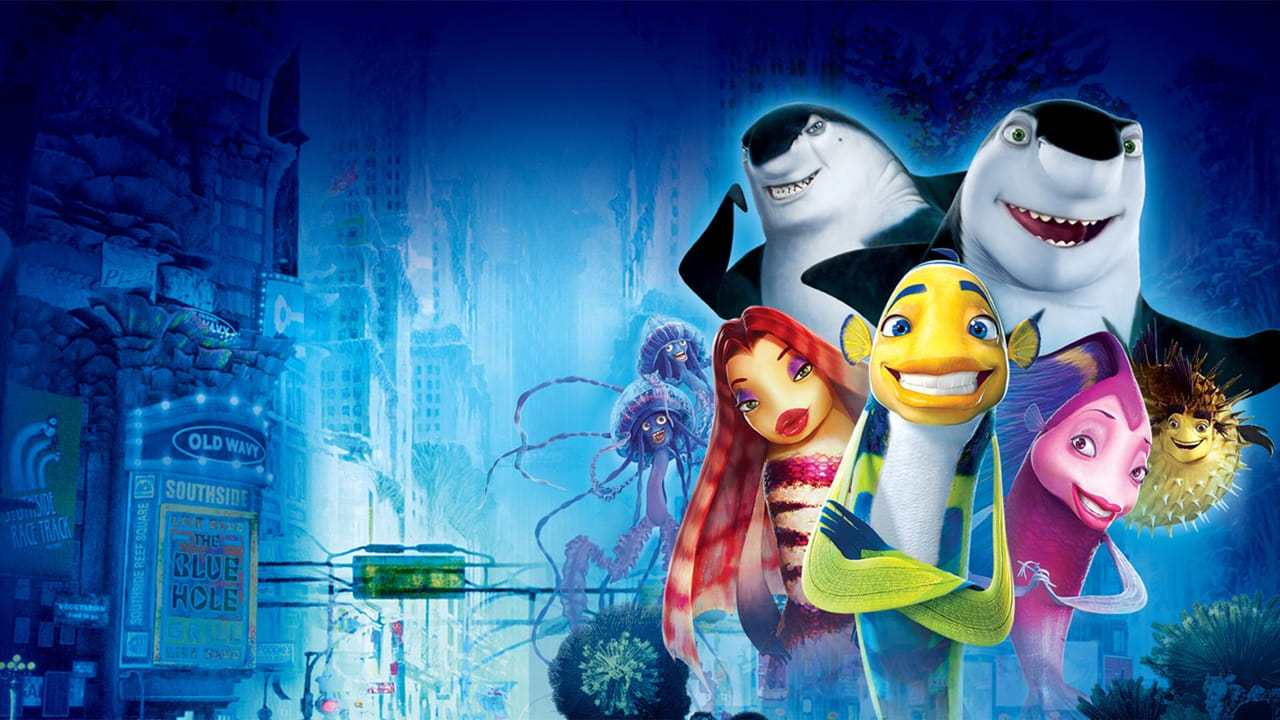
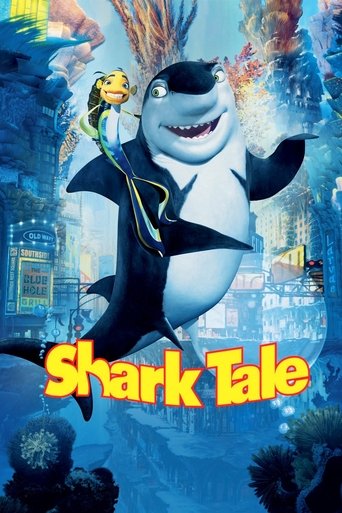
Oscar the cleaner wrasse (Will Smith) dreams of rising from his dead-end job at the whale wash to become 'somebody' in the reef's high-rolling district. His get-rich-quick schemes keep backfiring, leaving him indebted to his pufferfish boss Sykes (Martin Scorsese, in a bizarre but inspired casting choice). When a mob hit gone wrong leaves a shark accidentally dead, Oscar takes credit as the 'Sharkslayer'—a lie that puts him in the crosshairs of shark mob boss Don Lino (Robert De Niro).
What Oscar doesn't know is that one witness saw everything: Lenny (Jack Black), Don Lino's vegetarian son who'd rather eat kelp than follow the family business. Their accidental friendship becomes the film's warm center, even as Oscar's lies spiral out of control with Angie (Renée Zellweger) caught in the middle.
The film's second act drags a bit with too many subplots—Oscar's sudden fame, Lenny's disguise as a dolphin, a gold-digging fish femme fatale (Angelina Jolie). But the stakes feel real when Don Lino's other son Frankie (Michael Imperioli) starts sniffing around the truth.
That final underwater chase still holds up.
Direction & Cinematography
Bibo Bergeron's direction leans hard into the film's central gimmick: underwater New York. Times Square becomes a coral reef with neon jellyfish, subway trains are eels, and the whale wash is clearly a car wash parody. The best visual joke might be the 'Gup Store'—a fishbowl version of the Gap where Oscar shops for status.
What struck me on rewatch is how much the film relies on close-ups. Oscar's exaggerated facial expressions—those giant lips and wide eyes—feel like they're compensating for the limited animation tech of 2004. The sharks fare better, with De Niro's Don Lino getting a scar that's clearly a nod to his 'You talkin' to me?' persona.
But the pacing wobbles. Some scenes, like Oscar's musical number 'Sweet Victory', stop the story dead. Others, like Lenny's first kelp meal, could've used more breathing room.
Cast & Performances
Will Smith essentially plays himself—all fast-talking charm and defensive bravado. It works because Oscar's a con artist who believes his own hype. Watch how he adjusts his 'Sharkslayer' persona when different fish are watching—more swagger for crowds, softer tones with Angie.
Jack Black's Lenny is the surprise. His line readings when pretending to be a dolphin ('I'm… er, a mammal!') land every time. De Niro phones it in a bit, though his deadpan 'You're dead, little fish' to Oscar gets a laugh.
Zellweger's Angie feels underused. She has one great scene where her eyes well up with actual animated tears after Oscar blows her off, but mostly she's just the 'nice girl' counterpoint to Jolie's Lola.
Character Psychology
Oscar wants fame and riches, but what he needs is self-worth that doesn't depend on others' approval. His whole Sharkslayer lie stems from shame about being 'just a nobody cleaner fish'.
Lenny's arc is more interesting. He rejects his family's violent legacy not out of weakness, but because he's secure enough to be different. That final scene where he owns his vegetarianism in front of the whole reef? That's growth Oscar never quite matches.
Themes & Emotional Depth
At its core, Shark Tale is about rejecting toxic masculinity. Don Lino's whole mob empire runs on 'sharks don't eat kelp' machismo. Lenny's journey—and eventually Oscar's—is about finding worth outside that system.
The reef's celebrity culture gets skewered too. Oscar's rise and fall plays like a parody of reality TV fame, complete with product endorsements (Coral Cola) and a fish version of Larry King.
Memorable Scenes & Dialogue
1) The 'shark death' misunderstanding: When a dropped anchor accidentally kills Frankie, the way Oscar and Lenny stare at each other in silent panic is perfect physical comedy. No words needed.
2) Lola's introduction: Angelina Jolie purrs her way through 'Gold Digger' while slinking through a kelp forest. The animation exaggerates her pout and hip swings to hilarious effect.
3) The final confession: Oscar admitting his lie to the entire reef works because the camera stays tight on his face—you see the relief mixed with fear.
The Ending — Does It Deliver?
The ending pulls off a tricky balance. Oscar's public confession could've felt saccharine, but Smith sells the vulnerability. And Lenny's stand against his father lands because we've seen his quiet courage all along.
What surprised me is how little Don Lino changes. He accepts Lenny's choices, but there's no big emotional turnaround. That feels true to the character—some sharks just won't evolve.
What Works
Lenny's character design—a shark with puppy-dog eyes—immediately makes him sympathetic. Jack Black's vocal performance adds layers to what could've been a one-note joke. The mob parody elements, like the 'Godfinsher' references, still land. And the reef's visual gags (like the 'Current City' newspaper) show real creativity in translating human culture underwater.
Honest Criticism
The romance subplot feels tacked on. Angie exists mostly to be Oscar's moral compass, and their final kiss has zero buildup. Lola's gold-digger routine gets old fast—her character has no depth beyond wanting rich males. Worst is the product placement: the film stops dead for a Krispy Kreme joke that wasn't funny even in 2004.
How It Compares
Compared to Finding Nemo (2003), Shark Tale's world-building feels thinner—the reef lacks Pixar's ecological detail. But it beats Nemo in pure jokes-per-minute, especially for adults who catch the mob movie parodies.
Against The Little Mermaid, the romance falls flat. Angie and Oscar have zero chemistry compared to Ariel and Eric. But for sheer creativity in translating human culture to sea life, Shark Tale wins.
Legacy & Cultural Impact
Shark Tale made $367 million worldwide—a hit, but overshadowed by Pixar's dominance. It scored an Oscar nod for Best Animated Feature (losing to The Incredibles), but critics called it 'too pop-culture heavy'.
Today, it's remembered mostly for its bizarre casting (Scorsese as a pufferfish?) and as an artifact of early-2000s animation. The fish caricatures of celebrities haven't aged well, but Lenny's story still resonates.
Behind the Scenes
- Will Smith recorded his lines while filming I, Robot—he'd run between soundstages. 2) The original script had Oscar actually kill a shark; test audiences found it too dark. 3) De Niro ad-libbed several mobster lines, including 'You're sleeping with the fishes… literally.'
Who Should Watch It?
Kids who love fast-paced humor and bright colors will enjoy this. Adults who catch the mob movie references might chuckle. But viewers wanting emotional depth or groundbreaking animation should look elsewhere.
Final Verdict
Shark Tale is a 6/10 film with moments that punch above its weight. It's uneven, overstuffed, and dated—but when Lenny and Oscar share the screen, there's real charm. Watch it for Jack Black's performance alone, or skip it if you can't stand early-2000s pop culture references. That 'Sweet Victory' sequence alone will decide which camp you're in.
More details, ratings, and cast information on IMDb, TMDB, Wikipedia. YouTube