- 1Movie Overview
- 2Direction & Cinematography
- 3Cast & Performances
- 4Character Psychology
- 5Themes & Emotional Depth
- 6Memorable Scenes & Dialogue
- 7The Ending — Does It Deliver?
- 8What Works
- 9Honest Criticism
- 10How It Compares
- 11Legacy & Cultural Impact
- 12Behind the Scenes
- 13Who Should Watch It?
- 14Final Verdict
- Genre: Animation, Family, Fantasy, Adventure, Science Fiction
- Director: Troy Quane
- Year: 2023
- Runtime: 1h 39m
- Language: English (EN)
- TMDB Rating: ⭐ 7.9/10
Movie Overview
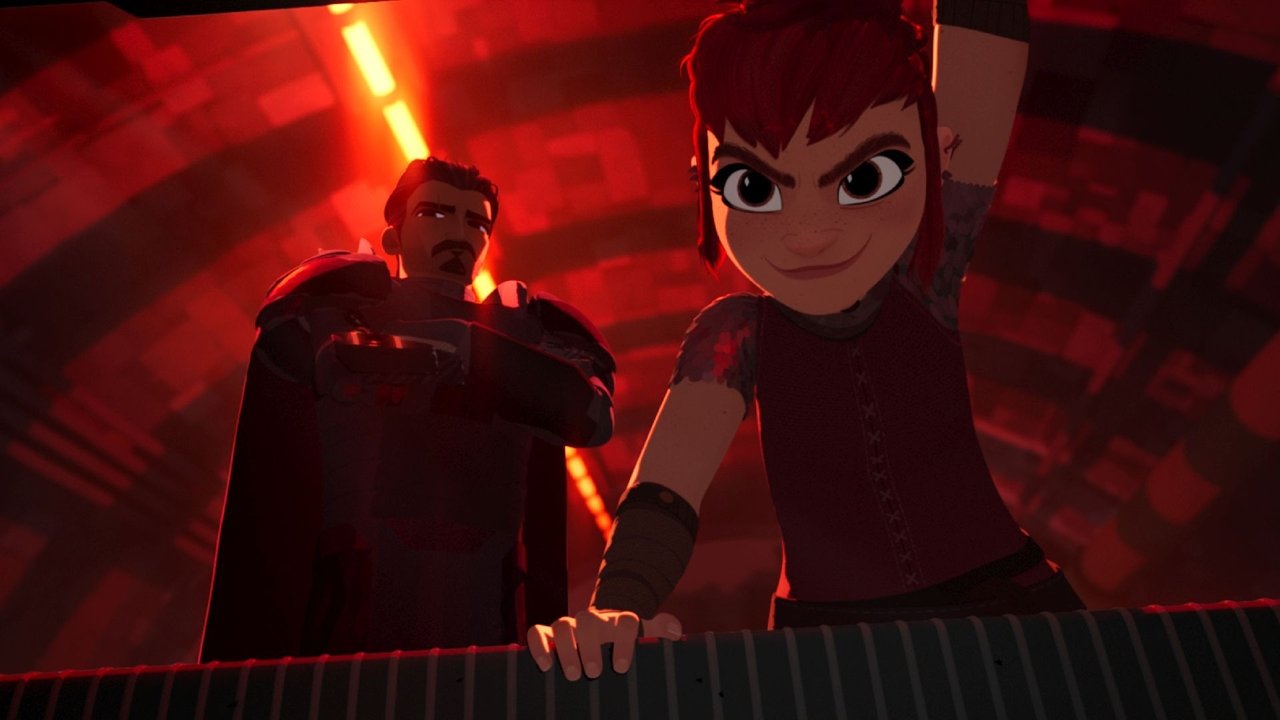
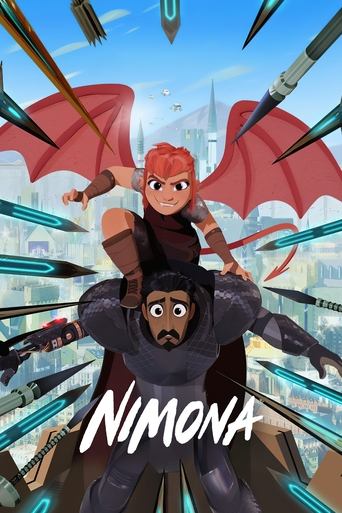
Nimona opens with the titular shape-shifter, a young girl with a rebellious streak, as she encounters Ballister Blackheart, a knight framed for a crime he didn't commit. As the world around them crumbles, with knights and villains vying for power, the pair forms an unlikely alliance. Their journey is filled with comedic banter and a sense of urgency, as they seek to clear Ballister's name while navigating Nimona's chaotic transformations. What stayed with me after the credits was the emotional bond that develops between them, showcasing the value of acceptance in a judgmental world.
At first, I thought the plot leaned heavily on familiar tropes, but the film quickly subverts expectations. The villain, Sir Ambrosius, who seems straightforward, reveals layers of depth as the story unfolds. The stakes grow higher, and the quirky humor takes a darker turn, making the film resonate with both younger audiences and adults.
Their adventure leads them to face their biggest fears, particularly as Nimona grapples with her identity and the consequences of her powers. The film presents a moral ambiguity that’s rare in family animation, which adds a layer of complexity that elevates it beyond a typical quest narrative.
By the time we reach the climactic moments, the film transforms from a simple buddy comedy into a thoughtful exploration of loyalty and identity, leaving viewers pondering the deeper implications of their journey together. Still, I kept waiting for more character background on Nimona herself, which I felt could have added richness to her development.
Direction & Cinematography
Troy Quane's direction in Nimona is energetic and filled with visual flair that captures the chaotic essence of the characters. One standout moment occurs early when Nimona first shapeshifts into a massive creature to protect Ballister from an attack. The animation is dynamic, with quick cuts and exaggerated expressions that perfectly convey the frenetic pace of their lives. It’s clear Quane knows how to draw laughter while driving the plot forward.
But what struck me most was the film’s pacing. Nimona balances rapid-fire jokes with moments of unexpected vulnerability. The humor rarely feels forced, allowing for genuine emotional beats, especially during scenes where Ballister reflects on his past. I noticed how these quieter moments served as a counterbalance to the film's otherwise frenetic energy, making both aspects feel more impactful.
The color palette is bright, and the animation style has a distinctive charm that complements the fantasy elements without losing the characters' relatability. Quane’s choice to dwell on facial reactions during key interactions enhances the comedic timing, allowing humor to breathe without feeling rushed. This blend of action and emotion is refreshing — I’ll admit I didn’t expect it from a family-oriented film.
Cast & Performances
Chloë Grace Moretz shines as Nimona, infusing the character with a rebellious spirit and a hint of vulnerability. Her vocal delivery during more intense scenes, particularly when she passionately defends her identity, conveys a depth that resonates. I appreciated her physicality in voicing a character that needs to express both mischief and heart.
Riz Ahmed, as Ballister, delivers a more subdued performance that contrasts perfectly with Nimona's exuberance. His delivery during moments of doubt and fear feels genuine, especially in a scene where he must confront his own insecurities about being a knight. It bothered me slightly that his character could sometimes feel overshadowed by Nimona's antics, though I recognize this highlights his struggle for agency.
Eugene Lee Yang, as Sir Ambrosius, brings an interesting mix of charm and menace that elevates the film's stakes. His reaction shot during the reveal of his true motives adds an unexpected layer to his character. I kept waiting for him to break free from the cliché villain mold, and while he ultimately does, I wanted even more development in his arc.
Character Psychology
Nimona craves acceptance and recognition in a world that constantly judges her for her abilities. She initially seeks adventure and chaos, but her deeper need lies in understanding her identity and the importance of friendship. By the end, she realizes that real strength comes not from her powers but from the bonds she forms with others.
Ballister Blackheart wants to clear his name and prove himself as a true knight, but what he actually needs is to confront the fears that hold him back. His journey reflects the struggle between duty and personal integrity, and while he grows closer to Nimona, I felt he still wrestles with his past decisions without fully reconciling them — or maybe that's just me.
Themes & Emotional Depth
At its core, Nimona is about the struggle for acceptance in a world divided by tradition and prejudice. The film cleverly uses Nimona's shape-shifting abilities as a metaphor for identity fluidity, challenging the rigid categories that society imposes. A pivotal scene where she transforms into various creatures highlights her battle against societal expectations, making a strong statement about being true to oneself.
Additionally, the film delves into the nature of friendship and loyalty. The bond between Nimona and Ballister illustrates how relationships can be forged in adversity. Their connection grows through shared challenges, prompting viewers to consider the value of acceptance amidst chaos and judgment. This message feels especially timely in today's fractured world.
Memorable Scenes & Dialogue
One memorable moment comes early when Nimona first transforms into a giant wolf to save Ballister from a group of knights. The animation is dynamic, and the way the scene is layered with humor and tension makes it stand out. The visual gags coupled with the stakes of the situation capture the film's essence — playful yet serious.
Another key scene occurs toward the end when Ballister confronts the council that unjustly accused him. The tension in this moment is palpable, and Riz Ahmed's delivery of the line about standing up for what you believe in gives the film a powerful emotional weight. The staging, with characters positioned to emphasize the conflict, showcases the creative direction that makes this moment particularly effective.
The Ending — Does It Deliver?
The climax of Nimona manages to tie together various threads in a satisfying way. The revelations about betrayal and loyalty add a powerful punch that surprised me, as I didn't see some character arcs turning in such a way. The final showdown feels earned, as all the character conflicts come to a head, illustrating the growth Ballister and Nimona undergo together.
The last shot, showing Nimona's acceptance and transformation, left me feeling hopeful despite the chaos. It emphasizes the film's themes of identity and belonging, resonating long after the credits rolled. I appreciated how the film didn't shy away from the darker elements of its story, which made the resolution feel more meaningful.
What Works
The humor in Nimona often shines through, particularly in moments of unexpected silliness juxtaposed against serious themes. The scene where Nimona transforms into a giant and unintentionally wreaks havoc in a knight's tournament is a highlight, showcasing the film's playful spirit. I also appreciated the animation style, which is vibrant and fluid, enhancing the emotional beats during critical moments. Moretz and Ahmed's voice work brings depth to their characters, making their journey engaging.
Overall, it's the balance of humor and heartfelt moments that stands out.
Honest Criticism
One area that felt lacking was the development of supporting characters, particularly Sir Ambrosius. While his motivations are revealed, I wished for a deeper exploration of his past and connection to Ballister. The film promises complexity but sometimes falls back on traditional villain archetypes. This made certain plot points feel predictable, which detracted from the overall impact of the story as it progressed.
It bothered me slightly that, despite some strong moments, these characters felt underutilized.
How It Compares
Nimona stands out among animated films like Zootopia and Spider-Man: Into the Spider-Verse by blending humor with a stronger focus on identity exploration. While Zootopia offers a commentary on prejudice, it doesn't dive as deeply into the personal struggles of its characters. Spider-Verse shines in its visual style, but Nimona captures a unique narrative of friendship and acceptance that feels fresh. However, it sometimes struggles with character depth, particularly in supporting roles compared to the richer backstories of Spider-Verse's ensemble.
Legacy & Cultural Impact
Nimona has already begun to spark conversations about representation in animation and the portrayal of non-traditional heroes. With a TMDB rating of 7.9 and a growing fan base, it's clear the film is resonating with viewers. Its unique approach to themes of identity and friendship could influence future animated projects, encouraging creators to explore more complex narratives. It could also pave the way for more diverse character representations in mainstream family films.
Behind the Scenes
The film was adapted from a beloved webcomic created by Noelle Stevenson, who also served as a producer on the project. An interesting casting choice was the last-minute addition of Eugene Lee Yang, who initially wasn't part of the main cast but later became a pivotal character. The production faced challenges due to the pandemic, leading to innovative remote animation techniques that shaped the final look of the film.
Who Should Watch It?
Fans of animated films with a mix of humor and heart will likely adore Nimona, especially those who appreciate stories about identity and friendship. Families looking for an entertaining watch with meaningful themes will find value here. However, viewers who prefer traditional fairy tales with clear moral binaries might want to skip it, as this film challenges those conventions.
Final Verdict
Nimona is a delightful animated adventure that balances humor, heart, and meaningful exploration of identity. While it has some issues with character depth and predictability, its vibrant animation and engaging leads make it worth watching. If you're looking for a film that combines fun with a touch of introspection, this one might just hit the mark.
More details, ratings, and cast information on IMDb, TMDB, Wikipedia. YouTube