- 1Movie Overview
- 2Direction & Cinematography
- 3Cast & Performances
- 4Character Psychology
- 5Themes & Emotional Depth
- 6Memorable Scenes & Dialogue
- 7The Ending — Does It Deliver?
- 8What Works
- 9Honest Criticism
- 10How It Compares
- 11Legacy & Cultural Impact
- 12Behind the Scenes
- 13Who Should Watch It?
- 14Final Verdict
- Genre: Adventure, Animation, Comedy, Family
- Director: Hamilton Luske
- Year: 1961
- Runtime: 1h 19m
- Language: English (EN)
- TMDB Rating: ⭐ 7.2/10
Movie Overview
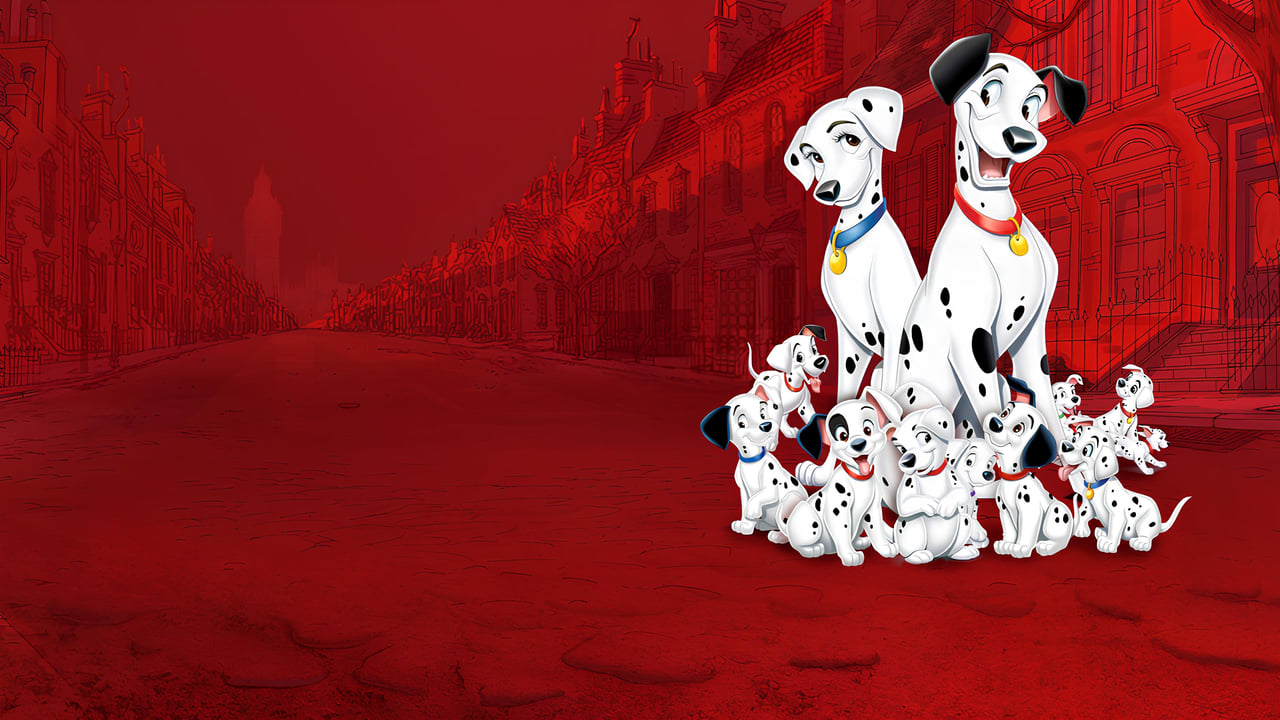
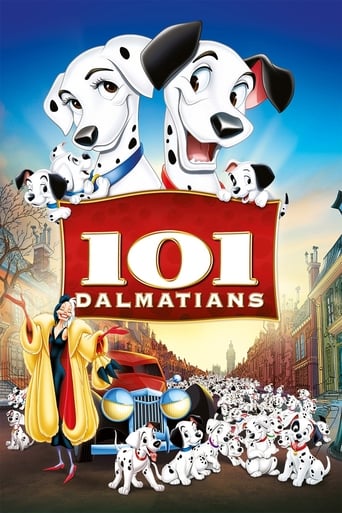
Pongo, a dalmatian living in London with his songwriter owner Roger, plays matchmaker by dragging Roger to the park to meet Anita and her dalmatian Perdita. It works — the humans marry, the dogs have 15 puppies, and life seems perfect. Then Cruella De Vil, Anita's old school friend with a fur obsession, shows up wanting to buy the litter. When Roger refuses, the puppies disappear one night.
What follows is a rescue mission across the English countryside, with Pongo and Perdita leading a network of animals to track their stolen pups. The film shifts from domestic comedy to adventure, with the dogs navigating snowstorms and dodging Cruella's bumbling henchmen.
I'll admit I didn't expect how much screen time goes to the two dimwitted thieves, Horace and Jasper. Their slapstick antics with the puppies provide most of the laughs, though the film never lets you forget the stakes — these pups could become coats.
That tension between silliness and genuine peril gives the film its spark.
Direction & Cinematography
Hamilton Luske, a Disney veteran who co-directed segments of Fantasia, keeps things moving at a brisk pace. The London scenes have a cozy storybook quality, but the film really comes alive when the action moves to the countryside. There's a great overhead shot of Pongo and Perdita running through tire tracks in the snow that makes their journey feel epic.
What struck me on rewatch is how much the film relies on shadows and silhouettes, especially in Cruella's scenes. Her first appearance is just her cigarette smoke curling into frame before we see her gaunt face. It's simple but effective.
But the direction stumbles slightly with the Twilight Bark sequence. The idea of dogs communicating across miles is fun, but the execution feels static compared to the energy of the rest of the film.
Cast & Performances
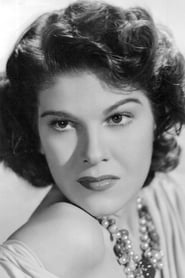
Betty Lou Gerson's Cruella remains one of animation's great villains. She doesn't just speak lines — she spits them, especially when screeching 'Anita, darling!' through clenched teeth. That voice could strip paint.
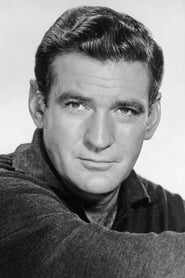
Rod Taylor brings surprising dignity to Pongo. Watch how he subtly changes his posture when switching from playful pet to determined father. It's a small thing, but it grounds the character.
I wasn't expecting much from the henchmen voices, but J. Pat O'Malley and Frederick Worlock make Horace and Jasper oddly endearing. Their bickering about football and terrible disguises gives the film its best comic relief.
Character Psychology
Pongo wants his puppies back, but what he really needs is to trust his instincts as a father. Early on, he's all charm and no responsibility. The crisis forces him to step up.
Cruella, meanwhile, doesn't change at all — and that's the point. Her single-minded greed makes her terrifying. She's not after the puppies for money, but because she can't stand not getting what she wants.
Themes & Emotional Depth
Beneath the adventure, this is a film about found family. The final count isn't just 101 dalmatians — it's 101 survivors who've chosen to stick together. The scene where Perdita comforts the smallest pup in the barn says more about parenting than most live-action dramas.
It's also about class. Cruella isn't just evil — she's old money treating lives as accessories. Her crumbling mansion contrasts sharply with Roger and Anita's modest but warm home.
Memorable Scenes & Dialogue
Cruella's car chase remains a standout. Her convertible swerving through snowdrifts while she screams at her henchmen is both hilarious and terrifying. The animators exaggerate her movements just enough to make her seem barely human.
The 'Dalmatian Plantation' reveal still shocks first-time viewers. That slow pan across dozens of caged puppies lands differently now than in 1961, but the horror of it hasn't faded.
Smaller moment: Pongo pushing Roger toward Anita in the park by pretending to chase a squirrel. It's a perfect bit of visual storytelling that establishes his personality in seconds.
The Ending — Does It Deliver?
The climax delivers exactly what it promises — a chaotic, satisfying showdown at Cruella's estate. What surprised me most was how little violence there actually is. The dogs win through teamwork and cleverness, not force.
That final shot of the reunited family in their crowded home stays with you. It's warm but also exhausting, which feels honest for any parent, canine or human.
What Works
Cruella's design and voice performance create an all-time great villain. Her angular body and jerky movements make her seem barely contained. The farmhouse rescue sequence still delivers tension and payoff perfectly. The decision to show the puppies as individuals with distinct markings (some have spots forming hearts or other shapes) makes their peril feel personal.
Honest Criticism
The human characters are paper-thin. Roger and Anita exist mostly to react to the dogs. The film's pacing sags in the middle during the Twilight Bark scene, which goes on too long without advancing the plot. Some of the rural animal characters lean too hard on country bumpkin stereotypes that feel dated now.
How It Compares
Compared to Lady and the Tramp (1955), this feels leaner and meaner. The romance takes a backseat to adventure, and the villain is genuinely frightening where Tramp's were just silly. But it lacks some of that film's visual poetry.
Next to The Aristocats (1970), another animal rescue story, Dalmatians wins for sheer momentum. Aristocats has better songs but drags in the middle. Both share that odd Disney habit of making working-class characters either villains or fools.
Legacy & Cultural Impact
The film was a box office hit in 1961, helping Disney recover from Sleeping Beauty's disappointing performance. Its Xerox animation process, while criticized at the time for looking rough, became standard for Disney's next decade of films.
Cruella entered the cultural lexicon immediately. She's one of the few Disney villains who feels like a real person — vain, entitled, and utterly lacking self-awareness. Modern takes still can't top the original.
Behind the Scenes
The film's Xerox process allowed animators to copy pencil sketches directly onto cels, saving time but creating a sketchier look. Walt Disney reportedly hated it at first.
Cruella was partly inspired by actress Tallulah Bankhead's mannerisms. Bankhead later said she wished she'd been asked to voice the role.
Originally, Pongo was going to narrate the film. Test audiences found it confusing, so they cut all narration except the opening lines.
Who Should Watch It?
Families with kids who can handle some suspense will love this — the puppies' danger feels real but never graphic. Animation fans should see it for Cruella alone. Viewers who prefer Disney's musicals might find this one too light on songs and too heavy on barking.
Final Verdict
One Hundred and One Dalmatians earns its classic status through sheer personality. The animation might look rough compared to Disney's earlier films, but the storytelling is tight and the villain unforgettable. I'd rate it higher than most of Disney's 1970s output but below their golden age peaks. Watch it for Cruella's cigarette holder alone — no one has ever made smoking look so deranged.
More details, ratings, and cast information on IMDb, TMDB, Wikipedia. YouTube