- 1Movie Overview
- 2Direction & Cinematography
- 3Cast & Performances
- 4Character Psychology
- 5Themes & Emotional Depth
- 6Memorable Scenes & Dialogue
- 7The Ending — Does It Deliver?
- 8What Works
- 9Honest Criticism
- 10How It Compares
- 11Legacy & Cultural Impact
- 12Behind the Scenes
- 13Who Should Watch It?
- 14Final Verdict
- Genre: Science Fiction, Romance, Comedy
- Director: Yorgos Lanthimos
- Year: 2023
- Runtime: 2h 21m
- Language: English (EN)
- TMDB Rating: ⭐ 7.6/10
Movie Overview
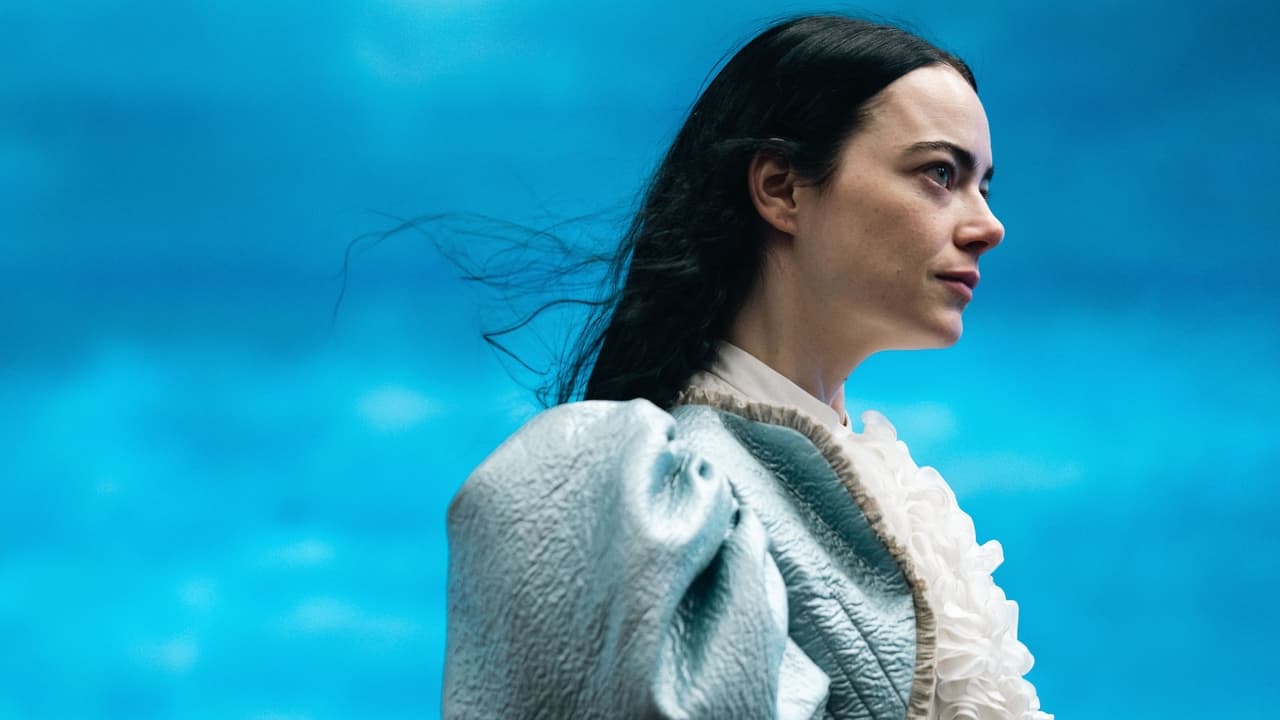
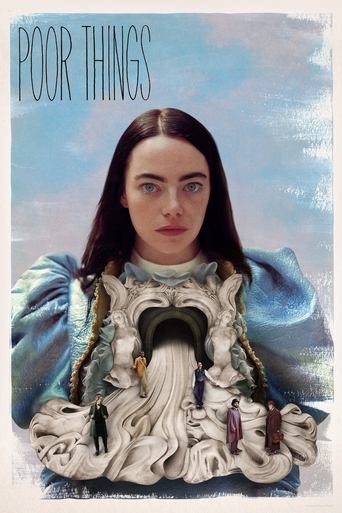
Poor Things opens with Bella Baxter (Emma Stone), a woman brought back to life by the eccentric scientist Dr. Godwin Baxter (Willem Dafoe). This resurrection isn't merely physical; it transforms Bella into a being free of societal norms and expectations. She quickly becomes a force of nature, escaping her creator to embark on a whimsical journey with lawyer Duncan Wedderburn (Mark Ruffalo). Their adventures span continents, but beneath the comedy lies a search for identity and purpose.
As Bella explores various relationships and experiences, she grapples with what it means to be truly alive. The film paints this journey with surreal humor and absurdity, but as she learns to navigate the world, it becomes clear that freedom comes with its own set of challenges. What stays with me after the credits is Bella's determination to define her own existence.
But the whimsical tone sometimes clashes with the gravity of her circumstances. Late in the second act, the film introduces a subplot involving Bella's need for acceptance, which felt slightly disjointed from her otherwise vibrant character arc. Still, it amplifies her quest for autonomy and highlights her internal struggle.
Ultimately, Poor Things challenges the audience's expectations, offering a fresh lens on themes of self-ownership and societal constraints. Bella's journey isn’t just about running away from her past—it's a confrontation with who she chooses to become.
Direction & Cinematography
Yorgos Lanthimos has a distinctive style, and in Poor Things, he truly embraces the absurdity of life through his direction. One standout moment occurs when Bella first steps into a bustling city. The camera captures her wide-eyed wonder as it pans over the exaggeratedly vibrant setting, accentuating her innocence in a world full of chaos. This choice serves to immerse the audience in Bella's fresh perspective, making her naivety feel potent.
Pacing fluctuates throughout the film. At times, it feels almost frenetic, mirroring Bella's own chaotic existence. Yet, there are moments of reflection that allow us to catch our breath and consider the weight of her decisions. And I noticed that these quieter interludes create an emotional depth that contrasts beautifully with the film's overall playful tone.
Lanthimos also employs an unusual color palette, with vibrant pastels that enhance the whimsical atmosphere. It’s a bold choice that aligns with the film’s themes of rebirth and self-discovery, but it did make one particular scene—where the stakes rise for Bella—feel slightly less impactful than it could have been. Overall, his approach melds humor and reflection, making the story more engaging.
Cast & Performances
Emma Stone’s portrayal of Bella is both lively and nuanced. In one scene, she practices walking like a lady; her exaggerated movements both embody her naiveté and create a comedic juxtaposition against her unbound spirit. Mark Ruffalo’s Duncan, on the other hand, is charming but at times feels overplayed. His emotional range is present, but I’ll admit I didn’t expect his character to lack the depth that Bella's journey required.
Willem Dafoe is a revelation as Dr. Baxter, delivering lines with an eccentric flair that keeps the audience both entertained and unsettled. His reaction when Bella questions his authority is a masterclass in physical comedy and shows how the character’s power is both alluring and dangerous. This dynamic adds tension in their relationship, though I felt his motivations could have used some fleshing out.
Ramy Youssef and Christopher Abbott provide solid supporting roles, adding depth to the world around Bella. Their interactions are often humorous, but I'd argue they don’t always earn their screen time; sometimes, it feels like the film is sprawling a bit too wide. Yet, they effectively highlight the contrasts in Bella’s evolving relationships.
Character Psychology
Bella Baxter embodies the struggle between societal expectations and personal freedom. On the surface, she seeks adventure and autonomy, but what she actually needs is to carve out her own identity. This desire for self-definition drives her throughout the film.
Bella isn’t entirely self-aware initially, leading her into naïve situations. However, she gradually learns about the complexities of relationships and autonomy, which is powerful. By the end, it's clear she’s transformed—she’s stronger, yet still grappling with the choices that define her identity.
Themes & Emotional Depth
At its core, Poor Things is about the quest for freedom, particularly in a world that imposes rigid social norms. Bella’s journey exposes the stark contrasts between her new life and the expectations of society. For instance, her desire to experience love and liberation often conflicts with the values imposed upon her, illuminating the struggle against oppression.
Additionally, the film touches on the idea of self-ownership. Bella’s agency grows more pronounced as she embraces her choices, particularly in her bold confrontations with men who wish to control her. This theme resonates universally, challenging viewers to consider their own desires versus societal pressures.
Memorable Scenes & Dialogue
One memorable scene occurs during Bella's first encounter with the bustling city, where she twirls in delight amid a crowd, the vibrant colors reflecting her rediscovered joy. The staging here captures her innocence against the chaos, brilliantly illustrating her newly formed identity.
Another standout moment is when Bella confidently asserts herself in a heated debate with Duncan. The dialogue is sharp, and her fierce delivery embodies her transformation. This scene works because it cleverly juxtaposes her earlier naiveté with her newfound assertiveness, providing an emotional punch that encapsulates her growth.
The Ending — Does It Deliver?
The film builds to a climax that feels both surprising and earned, especially as Bella confronts her creator about true autonomy. I wasn't expecting such an explosive confrontation, which resonates deeply with the struggle for self-identity. The final shot, where Bella stands fully confident in her skin, left me with a sense of hope and empowerment.
However, there’s a slight lack of resolution regarding some supporting characters, which feels like an oversight. I kept waiting for additional closure on those storylines, and it never came, which detracted from the impact of Bella's final moments.
What Works
What truly works in Poor Things is the bold visual storytelling and Emma Stone’s energetic performance. The vivid colors and whimsical settings immerse the audience in Bella's adventure. In particular, the scene where she navigates her new identity amid the crowds captures her vibrant spirit and highlights the film’s central themes of liberation and self-discovery. Lanthimos' unique direction enhances this journey, making it both engaging and thought-provoking.
Honest Criticism
However, the subplot involving Duncan's complicated background doesn’t work effectively. It seems to linger without providing substantial payoff or adding depth to Bella’s journey. This distraction pulls focus from her central narrative, leaving that aspect feeling underdeveloped and somewhat confusing. It bothered me slightly that such a rich world was overshadowed by a character that didn't fully resonate.
How It Compares
Poor Things shares themes with films like Mary Shelley’s Frankenstein and The Favourite, both of which explore identity and societal expectations through unique lenses. However, Poor Things distinguishes itself with its playful absurdity and vibrant visuals, crafting a more whimsical interpretation of these ideas. Yet, it sometimes loses focus on character depth, unlike The Favourite, which tightly intertwines its characters’ complexities with their dark humor.
Where it edges out is in its boldness to take risks with story and style, but it occasionally stumbles in sustaining emotional weight, leaving supporting arcs feeling less developed than they could have been.
Legacy & Cultural Impact
Upon its release, Poor Things garnered significant acclaim, with strong reviews highlighting its inventive storytelling and unique visual style. Critics have drawn comparisons to Lanthimos' earlier works while noting how this film pushes boundaries in the realm of dark comedy and science fiction. It sparked conversations around female agency and identity in cinema, contributing a fresh perspective to discussions on gender roles in film.
Box office figures have been promising, showing a healthy audience reception that indicates its potential as a cult classic. This film is likely to leave its mark on the genre of absurdist comedy, inspiring future filmmakers.
Behind the Scenes
Emma Stone's role was originally offered to another actress but was ultimately rewritten for her. Additionally, some scenes were improvised during filming, leading to unexpected comedic moments. The film's production faced delays due to creative disagreements, which shaped its final narrative direction significantly.
Who Should Watch It?
Audiences who appreciate absurdist comedy and films exploring identity will find a lot to love in Poor Things. Fans of Yorgos Lanthimos' previous works will be particularly enchanted by the unique storytelling style. However, viewers seeking a traditional narrative or conventional comedy should likely skip it, as its wild structure and tone may come off as jarring.
Final Verdict
I’d recommend Poor Things for its audacious exploration of themes and Emma Stone's standout performance. Despite some minor flaws in supporting character arcs, the film succeeds in captivating viewers with a whimsical narrative. If you want a film that challenges societal norms while keeping you entertained, Poor Things is definitely worth your time.
More details, ratings, and cast information on IMDb, TMDB, Wikipedia. YouTube