- 1Movie Overview
- 2Direction & Cinematography
- 3Cast & Performances
- 4Character Psychology
- 5Themes & Emotional Depth
- 6Memorable Scenes & Dialogue
- 7The Ending — Does It Deliver?
- 8What Works
- 9Honest Criticism
- 10How It Compares
- 11Legacy & Cultural Impact
- 12Behind the Scenes
- 13Who Should Watch It?
- 14Final Verdict

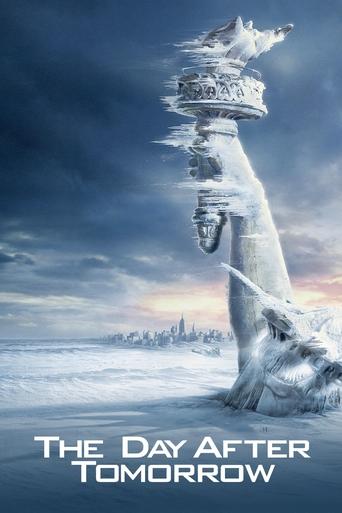
- Genre: Science Fiction, Thriller, Adventure
- Director: Roland Emmerich
- Year: 2004
- Runtime: 2h 3m
- Language: English (EN)
- TMDB Rating: ⭐ 6.6/10
Movie Overview
The Day After Tomorrow kicks off with paleoclimatologist Jack Hall, played by Dennis Quaid, who tries to warn the UN about his alarming research on climate change. After being largely ignored, a catastrophic superstorm begins to wreak havoc, starting a chain reaction of global disasters. As civilization crumbles, Jack's main focus shifts to rescuing his son Sam, portrayed by Jake Gyllenhaal, who is trapped in a freezing New York City. Jack's desperate journey to save him forms the emotional core of the film.
As the storm escalates, we see major cities like Los Angeles and New York engulfed in chaos. The film intersperses thrilling disaster scenes with personal moments, such as Sam's growing bond with his friend Laura (Emmy Rossum) as they navigate the challenges in the city. Their struggle to survive against the elements underscores the human cost of a planetary crisis. What surprised me most was how the film shifts from wide-scale destruction to intimate character moments, creating a compelling emotional arc.
Jack's journey is fraught with obstacles, ranging from the physical challenges of traversing a devastated landscape to the emotional turmoil of a father faced with the potential loss of his son. The stakes are high, and the film does an adequate job of balancing thrilling action with the gravity of the situation. As Jack and his team push through the icy wasteland, the film immerses the audience in a sense of urgency and desperation.
Yet, despite the action and dramatic stakes, I kept waiting for a moment of genuine connection between Jack and Sam, which felt somewhat missing. Their emotional reunion, while impactful, doesn't quite deliver the weight it could have. Overall, The Day After Tomorrow presents an engaging watch that mixes entertainment with a sobering environmental message, even if it occasionally falters in emotional depth.
Direction & Cinematography
Roland Emmerich directs The Day After Tomorrow with his signature flair for spectacle and disaster. One memorable shot shows a massive wave hitting New York City, filmed with a sweeping camera movement that captures the scale of impending doom. This moment effectively melds the action with the emotional stakes, making the audience feel both awe and fear. Emmerich's pacing shifts between high-octane disaster sequences and quieter, character-driven moments, which creates a rollercoaster of emotions.
But the film's tone sometimes feels uneven, swinging from moments of tension to a more campy style. I noticed a scene where a team of scientists gets trapped in a library, and while it's suspenseful, it also veers into cheesiness when they share a laugh amidst the chaos. This inconsistency can occasionally break the spell of immersion.
Overall, Emmerich's direction delivers on the visual front, but it lacks a strong emotional backbone that could have elevated the screenplay. The direction serves the spectacle, but it sometimes sacrifices the deeper connections between characters that could resonate more strongly with the audience.
Cast & Performances
Dennis Quaid delivers a solid performance as Jack Hall, embodying a mix of determination and vulnerability. His physicality during tense moments, especially while navigating the extreme weather, adds to the authenticity of his character's struggle. There's a particular moment when he breaks down in a government meeting, which shows his frustration and fear, but it felt a bit flat in delivery — a moment that could have soared with more intensity.
Jake Gyllenhaal, as Sam, showcases a youthful mix of bravery and fear. His reaction to the unfolding disasters is believable, particularly when he must choose between helping others or saving himself. A standout moment is when Sam and Laura huddle together for warmth; Gyllenhaal's expression effectively conveys the weight of their situation. Yet, I couldn't help but feel that some of his character's decisions seemed a bit underdeveloped, leaving some motivations unclear.
Emmy Rossum holds her own as Laura, adding depth to her character as she balances fear with a fierce resolve to survive. Her chemistry with Gyllenhaal is palpable, especially in scenes where they must push their limits to escape the freezing city. However, there were times when her character felt more like a plot device than a fully fleshed-out person, which might leave some viewers wanting more from her arc.
Character Psychology
On the surface, Jack Hall is driven by the desire to save his son and prevent the impending doom. However, he also grapples with feelings of inadequacy, stemming from his earlier failures to convince officials about the climate crisis. He needs to confront his own limitations and accept that he cannot control every outcome, a realization that comes too late.
Sam, on the other hand, craves independence but finds himself thrust into a survival situation that forces him to consider the consequences of his choices. He wants to protect those around him, yet he remains somewhat unaware of his own emotional vulnerabilities until the end, when his relationship with Jack is finally put to the test.
Themes & Emotional Depth
At its core, The Day After Tomorrow deals with the consequences of ignoring scientific warnings and the urgency of climate change. Through Jack's struggles with the UN and the unfolding disasters, the film critiques humanity's tendency to dismiss urgent issues until it's too late. One poignant scene occurs when scientists are left powerless as their warnings lead to chaos, highlighting our societal failure to act in time.
Another layer reveals the complexities of familial bonds amidst a crisis. The film showcases Jack's journey not only to save Sam but also to bridge the emotional gap that has formed due to their strained relationship. This dynamic adds a layer of emotional depth, reflecting on what truly matters when faced with impending disaster.
Memorable Scenes & Dialogue
The moment when the massive wave crashes into New York City stands out as a powerful visual spectacle. The blend of practical effects and CGI creates an overwhelming sense of awe and devastation, showcasing the scale of the storm and the fragility of urban life. It's a highlight of the film, illustrated through expertly crafted cinematography and sound design that amplifies the chaos.
Another memorable moment occurs when Jack and his crew seek shelter in a library. The scene is tense and claustrophobic, with the characters' desperation palpable as they struggle against the cold outside. The choice to use a library as a refuge also underscores the theme of knowledge versus ignorance in the face of disaster, providing a poignant narrative detail.
Finally, the emotional reunion between Jack and Sam, while somewhat expected, strikes a chord in its simplicity. Despite the missed opportunity for deeper connection, the moment illustrates the relief and joy of finding loved ones amidst chaos. Quaid's emotional resonance, even if understated, leaves an impact, capturing the film's essence of familial ties during times of crisis.
The Ending — Does It Deliver?
The climax of The Day After Tomorrow arguably delivers on the buildup established throughout the film. When Jack finally reaches Sam, it's a moment charged with emotion, though I found it slightly underwhelming compared to the escalating chaos beforehand. The culmination of their journey feels somewhat rushed, leaving me wanting more depth in their emotional exchange.
What stayed with me after the credits was the reminder that the film successfully highlights the need for urgency regarding climate change, despite its narrative flaws. The final scene, showing a recovering world, evokes a sense of cautious optimism. Yet, it also serves as a reminder of the work still needed, leaving viewers with an unsettling awareness of reality that lingers beyond the screen.
What Works
What works best in The Day After Tomorrow is its ability to blend thrilling disaster sequences with moments of genuine human connection. The wave crashing into New York City is a standout scene, showcasing impressive visual effects that leave a lasting impact. The performances, particularly by Quaid and Gyllenhaal, help ground the film amidst its chaotic backdrop, allowing viewers to invest emotionally in their journey. Additionally, the film's climate-related themes resonate deeply, prompting thought and discussion long after viewing.
Honest Criticism
What bothered me slightly was how underdeveloped certain character arcs are, particularly in regard to Jack and Sam’s relationship. Their reunion, while emotional, feels rushed and lacks the depth to support the stakes set up throughout the film. Moreover, the subplot involving Jack's colleagues often detracts from the more impactful father-son storyline, which could have benefited from greater focus. These elements hinder the film's potential to elevate its compelling premise.
How It Compares
The Day After Tomorrow can be compared to films like Twister and 2012, both of which revolve around natural disasters and human resilience. While it excels in creating thrilling visuals and moments of tension, it falls short in character development compared to, say, Twister. The latter grips viewers not just with its tornado sequences but with relatable characters and emotional depth. In contrast, The Day After Tomorrow sometimes prioritizes spectacle over character arcs.
However, it does succeed in its environmental message more effectively than 2012, which often felt more like a disaster catalog than a coherent narrative. The Day After Tomorrow manages to weave its cautionary tale into action, making it a more impactful commentary on climate change, even if it doesn’t fully capitalize on its characters.
Legacy & Cultural Impact
Upon its release, The Day After Tomorrow grossed over $544 million worldwide, marking it as a significant box office success. It sparked discussions about climate change and environmental issues in mainstream media, even leading to renewed interest in paleoclimatology. While it didn’t garner major awards, it did receive several nominations for visual effects, highlighting its impact on the disaster genre.
In a broader context, the film has influenced subsequent disaster flicks by showcasing the potential consequences of climate inaction. It’s a pop-culture reference point, reminding audiences that ecological awareness is not just an academic subject, but a pressing and entertaining narrative that can provoke thought through spectacle.
Behind the Scenes
Dennis Quaid was not the original choice for the role of Jack Hall; discussions included other big names before he was cast. The film’s visual effects team spent significant time researching real weather patterns to create the superstorm scenes, leading to some realistic portrayals of climate phenomena. Notably, during filming, the production faced severe weather conditions themselves, including an unexpected blizzard that caused delays in shooting schedules.
Who Should Watch It?
Fans of disaster films and environmental thrillers will likely enjoy The Day After Tomorrow, especially those who appreciate Roland Emmerich's style. However, viewers looking for deep character studies or nuanced storytelling might want to skip this one, as it prioritizes spectacle over emotional depth. If you're interested in a blend of action with a cautionary tale, this film fits the bill.
Final Verdict
I’d recommend The Day After Tomorrow for its thrilling visuals and environmental message, despite its character shortcomings. The film successfully merges science fiction with real-world issues that feel urgent and relevant. Ultimately, it's a wild ride that entertains and provokes thought, even if it doesn't always land on an emotional level. Watch it for the spectacle, but don’t expect a profound emotional journey.
More details, ratings, and cast information on IMDb, TMDB, Wikipedia. YouTube