- 1Movie Overview
- 2Direction & Cinematography
- 3Cast & Performances
- 4Character Psychology
- 5Themes & Emotional Depth
- 6Memorable Scenes & Dialogue
- 7The Ending — Does It Deliver?
- 8What Works
- 9Honest Criticism
- 10How It Compares
- 11Legacy & Cultural Impact
- 12Behind the Scenes
- 13Who Should Watch It?
- 14Final Verdict
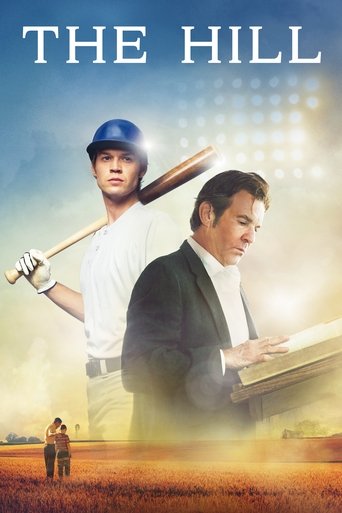
- Genre: History, Drama
- Director: Jeff Celentano
- Year: 2023
- Runtime: 2h 1m
- Language: English (EN)
- TMDB Rating: ⭐ 7.7/10
Movie Overview
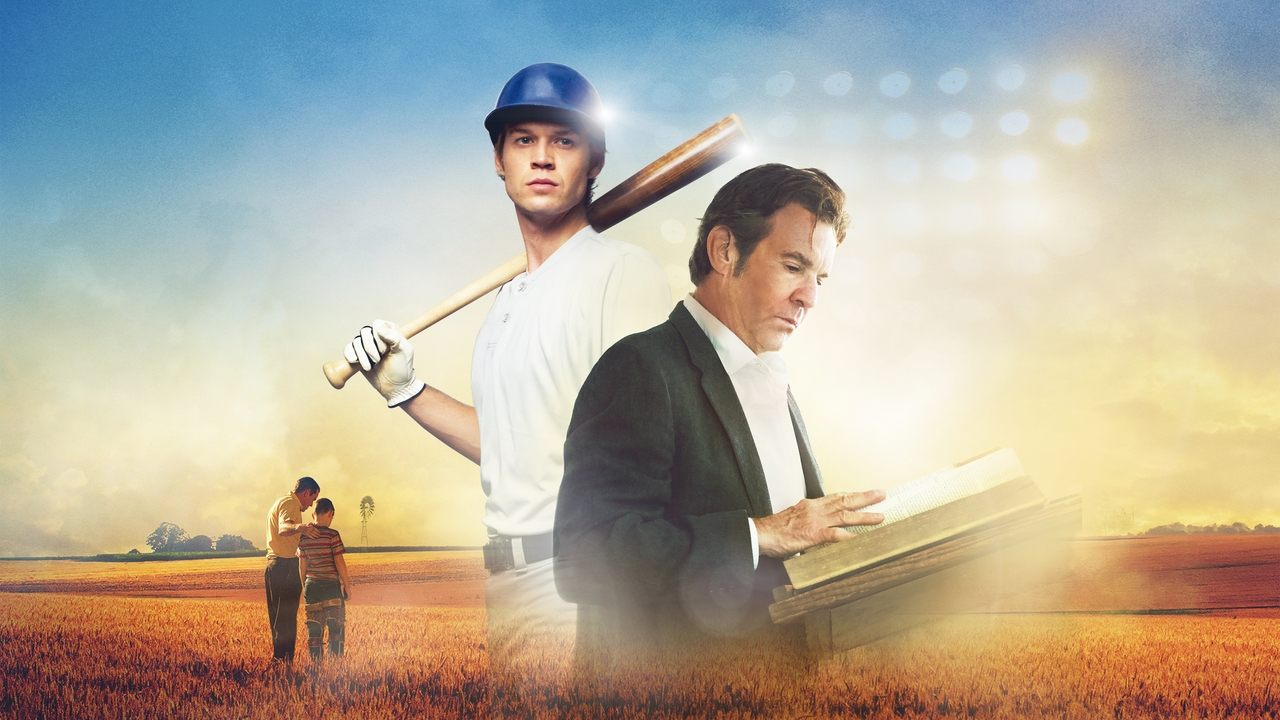
In 'The Hill', we meet Rickey Hill, portrayed by Colin Ford, a talented young baseball player who faces the daunting challenge of his physical disability. Early in the film, we see him struggling not just with his legs, but also with the weight of expectations from his stern father, played by Dennis Quaid. The narrative unfolds in a series of flashbacks, providing context that amplifies the stakes for Rickey. He wants to prove himself not only on the field but also as a worthy son to his father, who is emotionally distant and grapples with his own disappointments.
As Rickey pursues his dream of reaching the Major Leagues, the film highlights his dedication to overcoming obstacles, including the disapproval of his father and the skepticism of others. The conflict intensifies during moments of doubt, particularly when Rickey faces a significant injury scare. I kept waiting for a triumphant scene of reconciliation between Rickey and his father, and it finally did arrive, but not in the way I expected. This emotional arc provides depth, making the viewer root for Rickey’s success.
What stayed with me after the credits rolled was the way the film balanced the harsh realities of disability with the uplifting spirit of sports. Though the pacing dragged in places, particularly in the middle segments, the stakes felt real enough to draw me back in. The passionate performances create a palpable sense of urgency, especially during the training sequences where Rickey practices relentlessly, his spirit shining through his struggles.
The film concludes with Rickey facing a final, high-stakes game that feels like a culmination of his journey. Will he finally earn his father’s respect? The answer to that question lingers as the last shot fades, leaving audiences reflecting on the true meaning of strength and perseverance. The emotional payoff is there, even if it takes some time to arrive.
Direction & Cinematography
Jeff Celentano directs 'The Hill' with a steady hand, capturing both the intimate and grand scales of Rickey's journey. One notable shot occurs during a pivotal scene where Rickey stands alone on the baseball field at dusk, the lights flickering on as he practices. This visual mirrors his isolation and longing, emphasizing his dedication while also hinting at the familial void he feels.
But what struck me most was how the pacing felt uneven, especially during the second act. The film spends a considerable amount of time on exposition, which sometimes detracted from the urgency of Rickey’s training and his relationship with his father. The dialogue-heavy scenes could have benefited from tighter editing to maintain momentum, but Celentano finds ways to imbue the familiar sports narrative with emotional heft.
The overall tone is earnest, with a sense of optimism that balances the darker themes of family strife and personal struggle. I noticed how the camera often lingered on Ford’s expressive face during moments of doubt, inviting the audience to feel his pain and determination. While this approach pays off in emotional resonance, it occasionally detracts from the film's pacing, making some scenes feel longer than necessary.
Cast & Performances
Colin Ford shines as Rickey Hill, bringing an authentic blend of vulnerability and determination. In one scene where he’s practicing batting alone, his body language speaks volumes about his isolation and drive. Ford’s subtle shifts between hope and despair reflect Rickey's internal battles. I was surprised, however, that some of his more emotional moments felt a bit scripted, lacking the spontaneity that could have made them resonate stronger.
Dennis Quaid as Rickey’s father delivers a performance that oscillates between sternness and regret. His line reading during a confrontation with Rickey, where he says, "You need to be realistic—this isn’t a game for you," conveys not just a father's harshness but also his own insecurities. But it bothered me slightly that Quaid’s character was underutilized in the film's latter half. The initial setup hinted at a more complex relationship that could have been explored further.
Joelle Carter as Rickey’s mother serves as the emotional anchor, showcasing a nurturing presence that contrasts with Quaid's tough-love approach. In a tender scene where she comforts Rickey after a setback, Carter’s gentle touch and heartfelt delivery make the moment genuinely impactful. She connects with both Rickey and the audience, embodying the unwavering support he needs throughout his journey.
Character Psychology
Rickey wants to become a professional baseball player, a dream that symbolizes his desire for validation from his father and the world. His physical disability creates an internal battle where he must confront not just societal limitations but also his self-doubt. However, what he truly needs is reconciliation with his father, a recognition of their shared fears and hopes.
By the end, Rickey learns that his worth isn't solely defined by his athletic success. He grows to understand that family relationships are just as crucial. Though he doesn’t fully achieve a close bond with his father, he does find a sense of strength within himself, hinting at personal growth even if it doesn't arrive in the form he initially sought.
Themes & Emotional Depth
At its core, 'The Hill' is about overcoming adversity, but it delves deeper into the idea of familial expectations and the weight they carry. In a particularly poignant scene, Rickey reflects on his father's absence during his formative years — a moment that encapsulates the film's exploration of parental relationships and how they shape our identities. What surprised me was how the film juxtaposed Rickey's physical challenges with the emotional barriers he faces at home.
The narrative also touches on perseverance — not just in sports but in reconciling one’s dreams with reality. As Rickey practices tirelessly, it highlights the relentless pursuit of self-acceptance. The film effectively connects the struggle for personal triumph with the need for familial love, making it relatable for anyone who has sought validation from a parent or figure of authority.
Memorable Scenes & Dialogue
One memorable moment occurs when Rickey faces the local high school team in a climactic game. The tension builds as he steps up to the plate, and the film captures the palpable anxiety of the crowd. The way the camera focuses on his determined expressions, cut with flashbacks of his training, creates an emotionally charged atmosphere.
Another striking scene happens during the father-son confrontation in the family home. Quaid's delivery of, "You think you can just walk away from everything?" captures the frustration and longing for connection. It works because it’s not just a dialogue exchange; it’s a moment of revelation that forces Rickey to confront the reality of his father's fears.
Lastly, the final scene—Rickey standing on the field after a game—serves as a powerful visual metaphor for his journey. The way the sun sets behind him encapsulates both hope and uncertainty, making it a fitting end that lingers in the mind. It’s a testament to the film’s overall theme of finding light amidst struggle.
The Ending — Does It Deliver?
The ending of 'The Hill' manages to feel both earned and reflective of the journey leading up to it. As Rickey steps onto the field for what might be his final chance, the culmination of his struggles plays out with an emotional weight that resonated with me. I was particularly struck by how the film didn’t tie everything up neatly; instead, it left certain aspects of his relationship with his father unresolved, illustrating that some journeys continue beyond the screen.
What left me pondering was the final shot of Rickey standing alone, bat in hand, as the credits began to roll. It encapsulates the bittersweet nature of his journey. While he may not have achieved everything he wanted, the shot emphasizes self-acceptance and resilience, which are powerful takeaways for audiences.
What Works
The exploration of family dynamics is genuinely engaging, especially during scenes where Rickey's struggles are mirrored by his father's own insecurities. The training montages are particularly effective — they capture Rickey's relentless spirit and determination. Ford's performance shines in these sequences, as he embodies both the physical strain of his training and the emotional drive behind it. Also, the cinematography during the climactic game scene heightened the stakes, presenting baseball as not just a sport but a pivotal moment of self-discovery.
Honest Criticism
One subplot involves Rickey's romantic interest that feels underdeveloped and distracts from the main narrative. This character, while sweet, doesn’t serve a strong purpose in Rickey's journey and could have been omitted to allow more focus on his relationship with his father. The lack of depth in this romantic arc ultimately detracts from the film's emotional weight, making certain scenes feel unnecessary.
How It Compares
Similar films like 'The Blind Side' and 'A League of Their Own' tackle sports and personal growth but with different focal points. 'The Hill' stands out for its focus on familial relationships, especially the complicated bond between a father and son. However, it sometimes falls short in pacing, whereas 'The Blind Side' balances personal and sports narratives more effectively, maintaining stronger momentum throughout.
While 'A League of Their Own' is more humorous and light-hearted, 'The Hill' leans into its serious themes, making it a more somber tale. The emotional depth is commendable, yet it could benefit from the lighter touches that helped its counterparts resonate on broader levels.
Legacy & Cultural Impact
'The Hill' has started conversations about disability representation in sports dramas, which is a step forward in mainstream cinema. Although it didn’t break box office records, it’s received some attention for its realistic portrayal of challenges faced by disabled athletes. The film's rating of 7.7 on TMDB indicates a positive reception, suggesting it has found its audience, particularly among those who appreciate heartfelt sports dramas. It's worth noting that discussions around its themes may inspire future filmmakers to explore similar narratives with greater nuance.
Behind the Scenes
Colin Ford was initially cast as a supporting character but won the lead role after a last-minute audition that impressed the producers. The film's budget constraints led to the decision to shoot many scenes in real locations, enhancing the authenticity of the story. Additionally, Dennis Quaid improvised several lines during the father-son confrontation scenes to add depth to their strained relationship.
Who Should Watch It?
Fans of sports dramas who appreciate stories of overcoming adversity will likely find a lot to enjoy in 'The Hill'. You'll connect with its heartfelt themes and character struggles. However, those expecting a light-hearted sports film should skip it, as the tone is significantly more serious and may not suit viewers looking for pure entertainment.
Final Verdict
I’d recommend 'The Hill' for its genuine approach to tackling familial conflicts and the determination of Rickey Hill as an athlete. While the pacing could use some tightening, the emotional moments hit their mark and make the story engaging. The film invites viewers to reflect on personal growth through adversity and the complexities of family dynamics. If you're looking for an inspiring tale with depth, this one’s worth watching.
More details, ratings, and cast information on IMDb, TMDB, Wikipedia. YouTube