- 1Movie Overview
- 2Direction & Cinematography
- 3Cast & Performances
- 4Character Psychology
- 5Themes & Emotional Depth
- 6Memorable Scenes & Dialogue
- 7The Ending — Does It Deliver?
- 8What Works
- 9Honest Criticism
- 10How It Compares
- 11Legacy & Cultural Impact
- 12Behind the Scenes
- 13Who Should Watch It?
- 14Final Verdict
- Genre: Crime, Thriller, Action
- Director: Walter Hill
- Year: 1978
- Runtime: 1h 31m
- Language: English (EN)
- TMDB Rating: ⭐ 7.2/10
Movie Overview
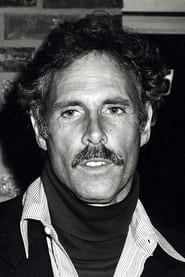
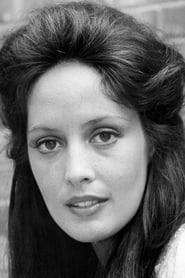
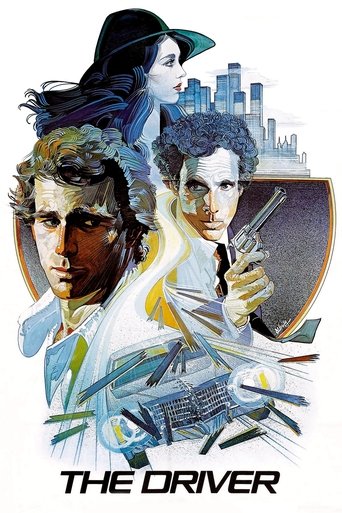
Ryan O'Neal plays a getaway driver known only as The Driver—a man who speaks maybe a dozen lines in the entire film. He's the best in the business, coldly efficient, with a reputation for never getting caught. Bruce Dern's Detective is equally obsessed, willing to bend every rule to trap him. The cat-and-mouse game escalates when The Detective orchestrates a fake heist, forcing The Driver to team up with Isabelle Adjani's enigmatic gambler known only as The Player. What follows isn't about the loot—it's about two men staking their professional pride on one last job. The film spends more time on tire screeches than dialogue, building to a finale where the chase itself becomes the only thing that matters.
Direction & Cinematography
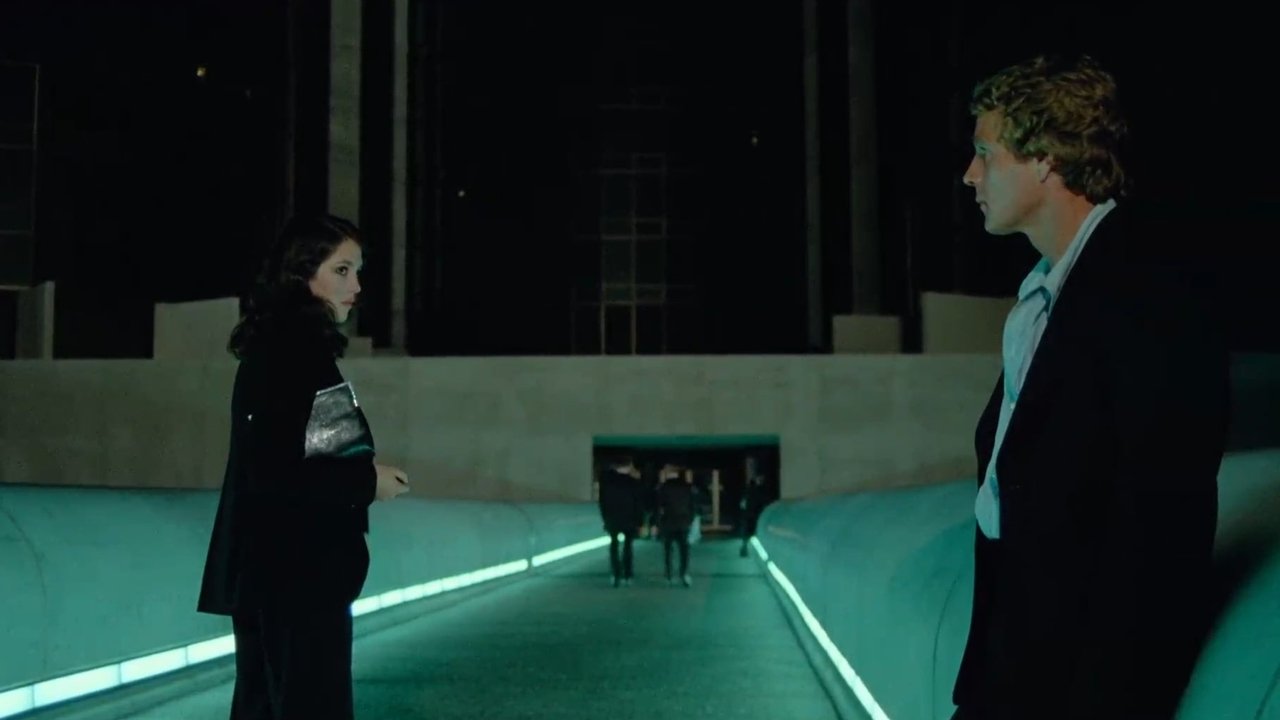
Walter Hill directs with the precision of a heist planner. The opening sequence—a wordless midnight getaway through LA's empty streets—sets the tone immediately: this is a film about movement, not motivation. What struck me was how much Hill communicates through sound design alone—the whine of a transmission, the echo of footsteps in a parking garage. But he also knows when to hold on a face. There's a great moment where The Driver stares down a rival in silence for an uncomfortably long beat. The pacing feels like a coiled spring—deliberate, then suddenly explosive. On rewatch, I noticed how many scenes play out in real-time, making the action feel more immediate when it finally erupts.
Cast & Performances
Ryan O'Neal gives one of cinema's great minimalist performances. His Driver barely speaks, but the way he grips a steering wheel or checks his mirrors tells you everything. Bruce Dern chews scenery as The Detective, and while it works for the character, I'll admit his manic energy sometimes tips into cartoonishness next to O'Neal's ice. Isabelle Adjani brings quiet mystery to The Player—her best moment comes when she silently counts cards at a poker table, eyes calculating odds we never see. Ronee Blakley has a small but memorable role as a terrified informant; watch how her hands shake when lighting a cigarette.
Character Psychology
The Driver wants to prove he's unbeatable—not for money, but for the purity of the challenge. What he needs is to admit that perfection is a trap. The Detective needs to win so badly he can't see he's becoming what he hates. Neither man changes. That's the point. Their flaw is refusing to bend, and the film admires them for it even as it shows the cost.
Themes & Emotional Depth
This is a film about professionalism as addiction. Every character is defined by their craft—The Driver's precision driving, The Detective's rule-breaking hustle, even The Player's poker face. There's a great scene where The Driver dismantles a stolen car piece by piece, not because he has to, but because he respects the machinery too much to do a sloppy job. The real heist isn't the money—it's stealing back your self-respect.
Memorable Scenes & Dialogue
The underground parking garage chase is legendary—no music, just engines echoing off concrete as The Driver outmaneuvers cops using nothing but geometry and patience. It's a masterclass in spatial storytelling. The diner confrontation between The Driver and The Detective crackles because of what they don't say—Dern's character monologues while O'Neal just sips coffee, letting silence be the ultimate power move. And that final chase through the LA River channels the entire film's ethos: speed as a form of dialogue.
The Ending — Does It Deliver?
The ending surprised me by how small it feels after all the buildup—no grand shootout, just two exhausted men acknowledging the game can't last forever. What stayed with me was the final shot of The Driver walking away—not triumphant, just alive. It feels earned because the film never pretends these men's obsessions lead anywhere good. The emotion is less victory than relief.
What Works
The car chases remain some of the most tactile ever filmed—you feel every gear shift and skid. O'Neal's performance is fascinating precisely because he does so little—his stillness makes the action scenes pop. Hill's decision to avoid backstory keeps the focus on the moment-to-moment tension. And that parking garage sequence should be studied by every action director—it proves suspense comes from clarity, not chaos.
Honest Criticism
The middle sags slightly when the film tries to develop The Player's relationship with The Driver—Adjani and O'Neal have zero chemistry. Some of Dern's line readings veer into self-parody, especially when he's ranting about 'cowboy drivers.' And while the minimalism mostly works, there are moments where you wish someone would just say what they're thinking.
How It Compares
Compared to Bullitt (1968), The Driver's chases are less flashy but more mathematical—every turn has purpose. It loses some of that film's character depth, though. Next to Drive (2011), its spiritual successor, Hill's version is leaner and meaner, but lacks the later film's emotional punch. Where it beats both is in sheer commitment to its minimalist ethos—this is a heist movie stripped to its bones.
Legacy & Cultural Impact
Though only a modest success in 1978, The Driver became a cult favorite that influenced generations of car chase films. It's cited as a key inspiration for Drive, Baby Driver, and countless video games. Critics initially dismissed its sparse dialogue, but later reappraisals recognized its purity of vision. Walter Hill would refine this style in films like The Warriors, but never with quite this much icy focus.
Behind the Scenes
Ryan O'Neal did most of his own driving—Hill wanted the realism of an actor who could actually handle the stunts. The entire film was shot at night, contributing to its drained-color aesthetic. That iconic jacket The Driver wears? O'Neal hated it, but Hill insisted it helped the character's silhouette in low-light chase scenes.
Who Should Watch It?
Car chase purists and fans of 70s crime films will adore this—it's like a perfect vintage engine, all polished steel and no frills. Anyone needing complex characters or emotional arcs should look elsewhere—this is a film about machines, both automotive and human.
Final Verdict
The Driver earns its reputation as a minimalist masterpiece. It's not perfect—some performances are uneven, and the middle drags—but when it clicks, it's pure cinematic adrenaline. The rating reflects how few films since have matched its singular focus. Watch it for the chases, stay for the quiet intensity of O'Neal's performance—no one has ever made driving look this cool without saying a word.
More details, ratings, and cast information on IMDb, TMDB, Wikipedia. YouTube