- 1Movie Overview
- 2Direction & Cinematography
- 3Cast & Performances
- 4Character Psychology
- 5Themes & Emotional Depth
- 6Memorable Scenes & Dialogue
- 7The Ending — Does It Deliver?
- 8What Works
- 9Honest Criticism
- 10How It Compares
- 11Legacy & Cultural Impact
- 12Behind the Scenes
- 13Who Should Watch It?
- 14Final Verdict

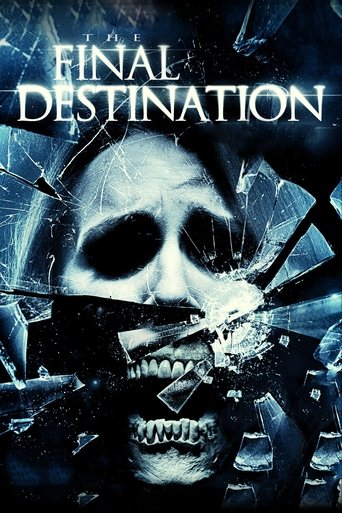
- Genre: Horror, Mystery
- Director: David R. Ellis
- Year: 2009
- Runtime: 1h 22m
- Language: English (EN)
- TMDB Rating: ⭐ 5.6/10
Movie Overview
Nick O'Bannon (Bobby Campo) has a premonition so vivid it feels like déjà vu — a catastrophic racetrack accident that will kill him and his friends. He manages to get them all ejected from the stands moments before the disaster unfolds. But escaping death once only makes it angrier. What follows is a series of increasingly elaborate 'accidents' as Death comes to collect what it's owed.
The film wastes no time establishing its premise. Within the first 15 minutes, we've already seen the initial disaster and the survivors' narrow escape. Personally, I think this brisk pacing works in the film's favor — we're here for the kills, not the character development.
As the group tries to make sense of their survival, they begin dying one by one in Rube Goldberg-like sequences. The tension comes from waiting for the dominoes to fall. On rewatch, I noticed how carefully each death is foreshadowed in the environment — a loose nail here, a leaking pipe there.
What stayed with me after the credits is how little the film pretends to be anything other than what it is: a delivery system for creative demises.
Direction & Cinematography
David R. Ellis, who also directed the superior Final Destination 2, brings his trademark focus on practical effects and drawn-out death sequences. The opening racetrack disaster is shot with chaotic energy — spinning wheels, flying debris, and a genuinely unsettling moment where a tire crushes someone's head against a barrier.
But where the film falters is in the quieter moments between kills. Ellis frames conversations like afterthoughts, with flat medium shots that do nothing to build character. I wasn't expecting much depth, but even basic scene transitions feel perfunctory.
That said, when the death sequences kick in, Ellis's direction shines. The infamous escalator death is a masterclass in slow-building dread — we see every component of the trap being set for nearly two minutes before the payoff. It's the kind of sequence that makes you wince and laugh simultaneously.
Cast & Performances
Bobby Campo as Nick delivers exactly what the role requires — wide-eyed panic and just enough charisma to root for his survival. His best moment comes during the initial premonition, where he sells sheer terror without saying a word.
Shantel VanSanten as Lori has surprisingly good chemistry with Campo, though the script gives her little to do beyond looking concerned. I'll admit I didn't expect her final scene to land as well as it did.
Mykelti Williamson as security guard George is the clear standout, bringing much-needed humor to the grim proceedings. His reaction to discovering the death pattern — equal parts skepticism and growing horror — provides the film's most human moments. What bothered me slightly was how underused Haley Webb's Janet becomes after her memorable death premonition.
Character Psychology
On the surface, Nick wants to cheat death. What he actually needs is to accept mortality — but the film isn't particularly interested in this arc beyond using it to set up the next kill.
The characters exist primarily as victims-in-waiting. Their brief moments of self-awareness ('Maybe we weren't supposed to survive') feel less like depth and more like obligatory pauses between set pieces.
Themes & Emotional Depth
The Final Destination is ultimately about the illusion of control. No matter how carefully the survivors try to anticipate Death's design, they're always one step behind. This comes through clearest in the cinema sequence, where every safety precaution taken only makes the eventual disaster worse.
What surprised me most was how little the film cares about its own mythology. Previous entries built rules about cheating death; here, the rules change whenever the plot requires a cool kill shot.
Memorable Scenes & Dialogue
1) The escalator death: A combination of perfect timing, gruesome practical effects, and dark humor as ordinary objects become deadly. The way the victim's shoelace gets caught is both ridiculous and horrifying.
2) Nick's initial premonition: The racetrack disaster unfolds with brutal efficiency, selling the horror through sound design as much as visuals. That crunching metal noise stayed with me.
3) George's final scene: Williamson sells every second of this, from his resigned acceptance to his darkly funny last words. It's the rare moment where character and carnage intersect perfectly.
The Ending — Does It Deliver?
The ending delivers exactly what the franchise promises — one final, elaborate death sequence. While it doesn't surprise narratively, the execution (pun intended) is satisfyingly brutal.
What stayed with me after the credits was how little emotional weight the ending carries. After so much carnage, the final note feels obligatory rather than earned. That final shot didn't land for me the way similar moments did in earlier franchise entries.
What Works
The death sequences remain inventive and gruesomely fun. The escalator scene is a standout, combining everyday objects into a perfect killing machine. Williamson's performance adds much-needed humor. The 3D effects, while dated now, create some visceral moments — particularly during the opening disaster. At just 82 minutes, the film never overstays its welcome.
Honest Criticism
Character development is nearly nonexistent — they're essentially walking death flags. The middle section between major kills drags, with uninspired dialogue scenes. Some death setups strain credibility even by franchise standards (the swimming pool sequence feels particularly contrived). The ending lacks the emotional punch of earlier films.
How It Compares
Compared to Final Destination 2 (which had better characters) or Final Destination 3 (which had stronger set pieces), this feels like a slight step down. It lacks the original's freshness or FD2's inventive highway sequence.
Where it wins is in pure kill creativity — no other entry makes ordinary environments feel quite as deadly. The escalator and cinema sequences outdo most franchise deaths.
Legacy & Cultural Impact
The film underperformed critically (5.6/10 on TMDB) but turned a healthy profit on its $40M budget. It marked the series' first 3D installment, leading to the gimmick being used more prominently in the next sequel.
While not as influential as earlier entries, it cemented the franchise's reputation for elaborate death scenes above all else. The escalator kill in particular remains a fan favorite.
Behind the Scenes
- The racetrack disaster was inspired by real-life incidents of loose tires killing spectators.
- Several death scenes were rewritten during filming to accommodate 3D effects.
- Mykelti Williamson ad-libbed many of his character's funnier lines.
Who Should Watch It?
Horror fans who prioritize creative kills over character depth will enjoy this. Viewers who need strong narratives or emotional investment should skip it. If you're already a Final Destination fan, this delivers exactly what you expect.
Final Verdict
The Final Destination knows its strengths and plays to them relentlessly. While it lacks the freshness of earlier entries, the death sequences deliver gruesome fun. Williamson's performance elevates the material whenever he's on screen. The film earns its 3.5/5 rating through sheer commitment to its premise. Ultimately worth watching for the escalator scene alone — one of the franchise's most inventive kills.
More details, ratings, and cast information on IMDb, TMDB, Wikipedia. YouTube