- 1Movie Overview
- 2Direction & Cinematography
- 3Cast & Performances
- 4Character Psychology
- 5Themes & Emotional Depth
- 6Memorable Scenes & Dialogue
- 7The Ending — Does It Deliver?
- 8What Works
- 9Honest Criticism
- 10How It Compares
- 11Legacy & Cultural Impact
- 12Behind the Scenes
- 13Who Should Watch It?
- 14Final Verdict
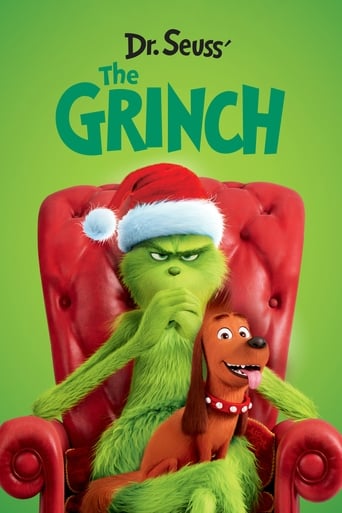
- Genre: Animation, Comedy, Family, Fantasy
- Director: Yarrow Cheney
- Year: 2018
- Runtime: 1h 25m
- Language: English (EN)
- TMDB Rating: ⭐ 6.9/10
Movie Overview
The Grinch, voiced by Benedict Cumberbatch, plots to spoil Christmas for the cheery residents of Whoville. Having grown bitter and cynical after years of solitude, he devises a scheme to steal the holiday from the unsuspecting Whos. As he prepares for the heist, we see glimpses of his softer side through his interactions with his loyal dog Max and a curious young Who named Cindy Lou Who, played by Cameron Seely. The film dances around the idea of family and connection, as Cindy aims to bring her own family together for the holidays, unknowingly inspiring The Grinch to reconsider his own lonely heart.
What struck me early on was the vibrant animation style, as the creators filled Whoville with colors that pop against the Grinch's dreary cave. The core conflict emerges when The Grinch finally decides to put his plan into action, but as he witnesses the Whos' festive spirit, it challenges his initial disdain for Christmas. The emotional arc takes shape as The Grinch grapples with the idea of belonging and connection, pushing him toward an unexpected change.
As the film progresses, we see The Grinch face his demons — his dark past and the loneliness of his self-imposed exile. The climax builds when the Whos surprisingly embrace the holiday spirit even after experiencing loss, leaving The Grinch to confront whether he can find joy in unity. The overall setup cleverly intertwines the familiar themes of redemption and family, leading to a satisfying narrative conclusion.
Though the runtime is brief at 85 minutes, the pacing sometimes feels rushed, especially in moments where deeper emotional exploration might have added weight. But, what stays with me after the credits rolled is the idea that even the grumpiest characters can find their place in the world — if they’re willing to open up to love.
Direction & Cinematography
Yarrow Cheney's direction brings a playful, light-hearted touch to the story. One scene that exemplifies this occurs during the Grinch's initial plan to steal Christmas, where the camera zooms in on his exaggerated expressions as he dons a Santa suit. The whimsy of the animation complements the comedic timing of the character's slapstick antics, highlighting Cheney's knack for balancing humor with the narrative’s emotional heartbeat.
On rewatch, I noticed how the colorful backgrounds and fluid animation choices elevate the whimsical tone. The pacing tends to sail along, especially during comedic moments, yet at times, it clips through emotional scenes too swiftly. It bothered me slightly that the deeper themes of loneliness and redemption felt slightly underexplored when compared to the more comedic elements.
What surprised me most was the use of music throughout the film, which not only enhances the festive atmosphere but also underscores the pivotal emotional moments. The song numbers incorporate catchy melodies, keeping the audience engaged, and emphasizing the characters’ emotional journeys without dragging the pacing down. It's a decision that both lightens the overall mood and resonates with younger audiences.
Cast & Performances
Benedict Cumberbatch brings an eclectic energy to The Grinch with his voice, particularly notable in scenes where the character shifts between grumpy and unexpectedly vulnerable. His line delivery is sharp, especially when he mutters to himself about the Whos' annoying cheer. I’ll admit I didn’t expect Cumberbatch to bring so much personality to a character often seen as a mere caricature.
Cameron Seely's portrayal of Cindy Lou Who adds a refreshing innocence to the story. In one notable scene, she asks Santa for help for her busy mother, and the earnestness in her voice gets directly to the heart of the film's themes about family. It’s a small moment, but it effectively contrasts with the Grinch's cynical worldview.
Rashida Jones, as Cindy’s mother, also delivers a heartfelt performance, particularly in moments where she expresses her longing to connect with her children. However, I kept waiting for her character to be more fleshed out. While she plays a notable role in Cindy’s journey, it felt like her character could have received more development to enrich the familial themes present throughout the film.
Character Psychology
The Grinch’s surface desire is simple: to eradicate Christmas joy from Whoville. But what he actually needs is connection and acceptance, something he has long rejected. He’s not entirely self-aware at first; it takes the impact of Cindy's actions for him to reevaluate his deep-seated bitterness. The film shows his gradual change rather than a sudden epiphany, which feels more authentic, though it could have been fleshed out further.
Ultimately, he does change, albeit in a predictable way. The Grinch realizes that love and community outweigh his desire for solitude. It’s a classic journey of self-discovery that feels comforting, though I wonder if younger viewers might miss the nuances of his internal struggle.
Themes & Emotional Depth
At its core, The Grinch conveys the importance of community and connection, showcased in the way the Whos embrace Christmas together despite adversity. One particularly touching scene is when the Whos hold hands and sing despite everything being taken away from them — it beautifully highlights resilience over materialism. This moment acts as a wake-up call for The Grinch.
Also, the film subtly critiques the commercialization of Christmas. The Grinch’s initial plan revolves around stealing presents, and yet, it’s the vibrancy of human connection that ultimately wins over his heart. This commentary, while not overtly complex, is relevant in an age when holiday spirit is often overwhelmed by consumer culture.
Memorable Scenes & Dialogue
One memorable moment occurs when The Grinch first decides to steal Christmas, unveiling his plan with a whimsical yet malicious grin. The staging captures his diabolical excitement beautifully, with bright colors contrasting his dark intentions, making it both humorous and engaging.
Another standout scene is when Cindy Lou sings to her sleeping mother, expressing a heartfelt wish for a family reunion. This quiet moment is effective in showcasing the emotional stakes and establishing a connection to The Grinch's journey without being overly sentimental. Seely’s soft, honest performance adds depth to the scene, solidifying it as an emotional touchstone in the film.
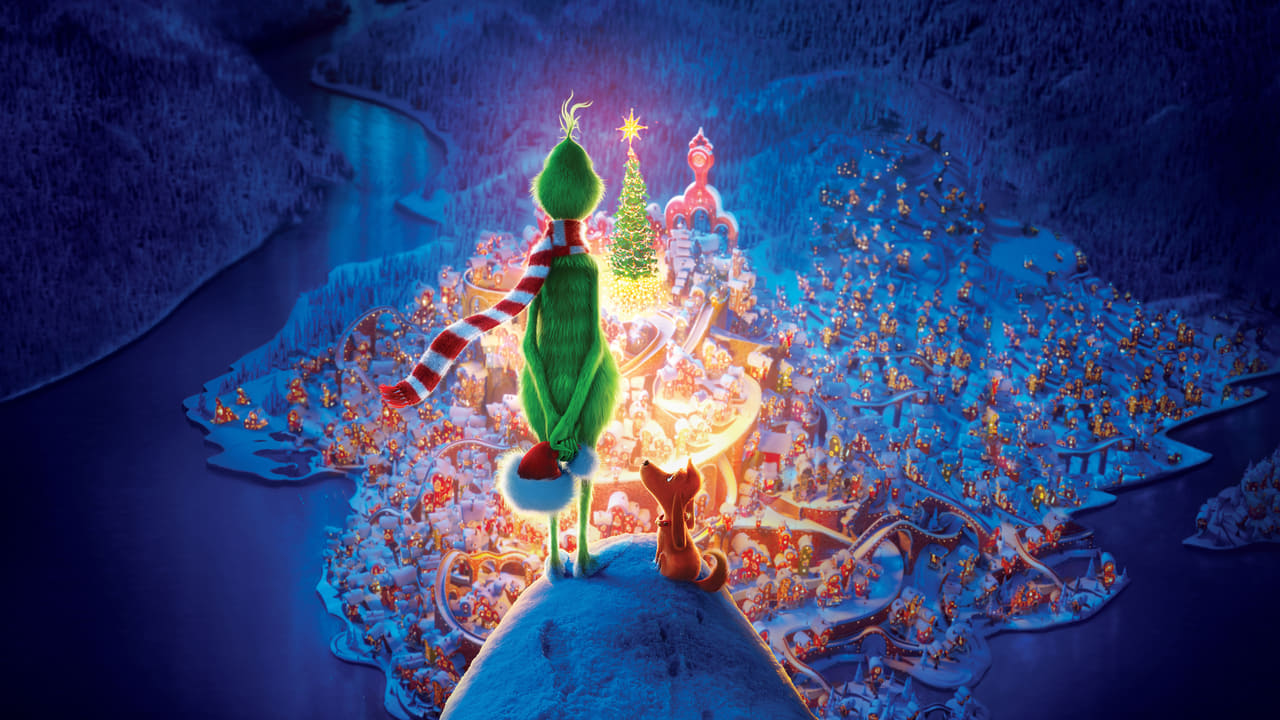
Finally, the climax, where The Grinch has a change of heart while standing atop a mountain overlooking the Whos, works well due to its emotional build-up. It’s visually striking, as the colors shift from dark to vibrant during this pivotal moment, echoing the transformation in his character.
The Ending — Does It Deliver?
The ending manages to feel earned as it ties together The Grinch’s journey from isolation to acceptance. When he returns the stolen gifts, it’s a moment filled with both joy and hesitation, reflecting his internal conflict well. Personally, I was surprised by how the Whos reacted positively, which added to the weight of his redemption arc.
However, the emotional punch felt a bit muted due to the rapid pacing leading up to it. I left the film feeling uplifted, yet I wished for a little more exploration of The Grinch’s feelings at the moment of transformation. It almost felt rushed, leaving me with a hint of longing for more depth in what could have been a powerful resolution.
What Works
The animation style itself is a high point, with scenes like the Grinch's mountain lair visually contrasting with the vibrant Whoville. Cumberbatch's performance is delightful, particularly in moments where he bounces between comedic anger and unexpected vulnerability. The emotional moments, such as Cindy Lou's heartfelt wishes, effectively ground the story and enhance its warmth, making the film enjoyable for families looking for holiday entertainment.
Honest Criticism
The subplot involving Max, the Grinch's dog, while charming, feels underdeveloped. Max has a few amusing moments, but they often hinge on physical comedy rather than emotional stakes, which could have added depth to the narrative. Additionally, some characters, particularly Cindy's mother, lack the development needed to give their arcs a satisfying conclusion. This diminishes their impact on the main story, which was disappointing given the potential for richer storytelling.
How It Compares
The Grinch (2018) can be compared to other holiday classics like How the Grinch Stole Christmas (2000) and even animated hits like Despicable Me. This version benefits from a more vibrant animation style and a comedically absurd approach that appeals to younger audiences. However, it falls short of the emotional gravitas present in the Jim Carrey adaptation, which delves deeper into The Grinch's backstory and loneliness.
While other films may rely on nostalgia, The Grinch (2018) creates a fresh take, yet it's less poignant in its emotional delivery. It captures humor well but lacks some of the emotional weight that character-driven stories tend to provide, making it entertaining but less memorable than its predecessors.
Legacy & Cultural Impact
Despite a modest box office of approximately $510 million worldwide, The Grinch (2018) sparked conversations about modern adaptations of classic tales. While it didn’t receive any major awards, its family-friendly approach and humorous treatment of the source material have made it a staple for holiday viewing, appealing largely to younger generations. As a part of the Dr. Seuss legacy, it reminds audiences of the importance of kindness, though it didn't break new ground compared to earlier adaptations.
The film serves as a reminder of how contemporary animation continues to evolve, but the saturation of holiday films in general can sometimes dilute its unique message.
Behind the Scenes
Benedict Cumberbatch was initially reluctant to take the role until he learned more about the character’s emotional journey, which ultimately convinced him to sign on. The film features a unique song written by Pharrell Williams, who also narrates the story, adding a distinct musical element. Interestingly, the production team faced challenges when it came to animating the Grinch's facial expressions, leading to innovative techniques to capture Cumberbatch's nuanced performance digitally.
Who Should Watch It?
Families looking for a light-hearted holiday film will likely find plenty to enjoy here, especially younger children who appreciate the humor and vibrant animation. However, those seeking a deeper exploration of the source material or expecting emotional depth similar to previous adaptations might want to skip it. This version is tailored for a younger audience with a preference for slapstick and humor over emotional nuance.
Final Verdict
The Grinch (2018) is a fun and visually appealing take on a beloved classic, perfect for holiday viewing with the family. It successfully entertains, primarily through its humor and colorful animation, but falters in delivering the deeper emotional impact that some viewers might expect. For a light-hearted holiday film with comedic charm, it’s worth watching — just don’t expect the emotional resonance that defines other adaptations.
More details, ratings, and cast information on IMDb, TMDB, Wikipedia. YouTube