- 1Movie Overview
- 2Direction & Cinematography
- 3Cast & Performances
- 4Character Psychology
- 5Themes & Emotional Depth
- 6Memorable Scenes & Dialogue
- 7The Ending — Does It Deliver?
- 8What Works
- 9Honest Criticism
- 10How It Compares
- 11Legacy & Cultural Impact
- 12Behind the Scenes
- 13Who Should Watch It?
- 14Final Verdict
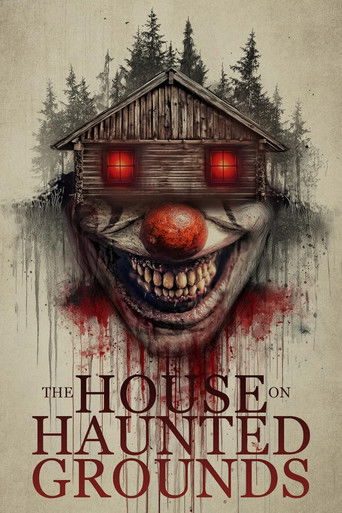
- Genre: Horror
- Director: Brendan Rudnicki
- Year: 2026
- Runtime: 1h 9m
- Language: English (EN)
- TMDB Rating: ⭐ 6.4/10
Movie Overview
Logan Wallace plays Felix, the skeptical tech lead of a paranormal investigation team hired to document a dilapidated house one last time before the bulldozers arrive. Their job is simple: get in, get the B-roll, and get out. Dylan DeVane’s character, the show's host, is already prepping his 'demolition special' narration, treating the whole thing as a paycheck. And the setup feels familiar enough that you settle in for the usual bumps in the night.
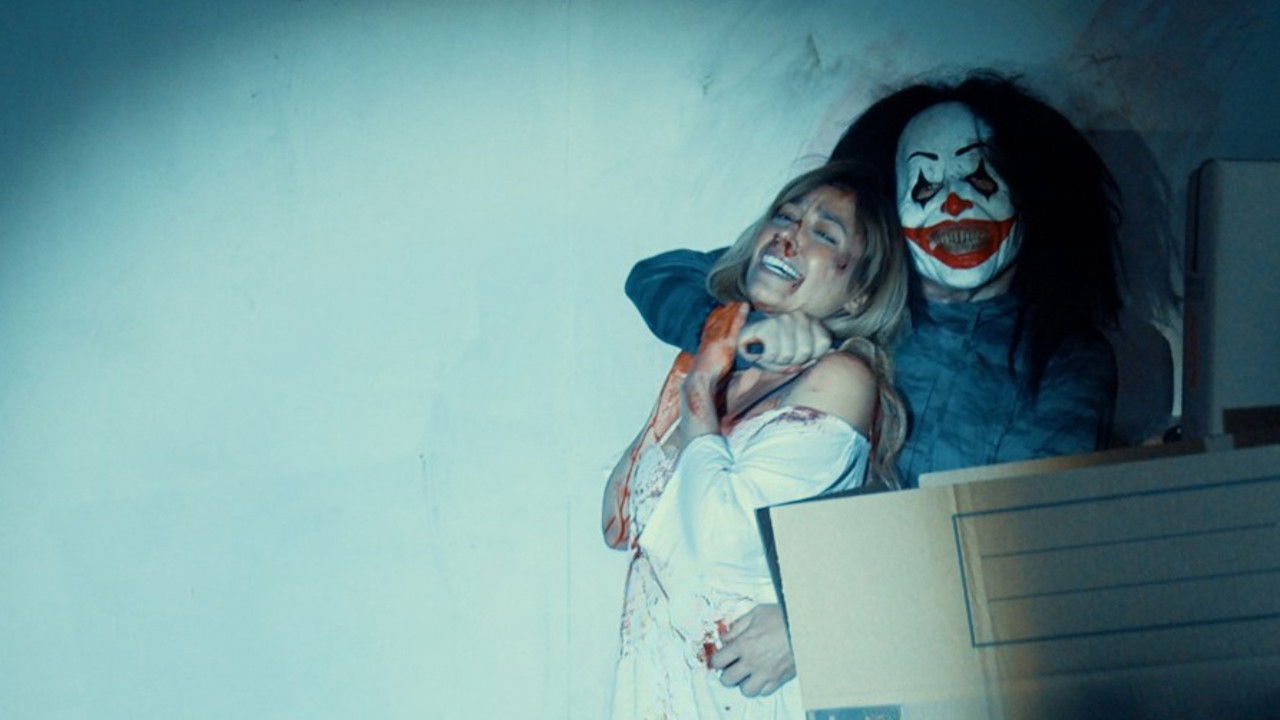
What begins as a routine sweep, however, becomes a very different kind of job. The odd readings and equipment glitches are dismissed, but the team soon realizes the house isn't just old—it's actively hostile. The found-footage format works hard here, as the camera, wielded primarily by Felix, becomes less a tool for documentation and more a frantic, panicked witness to something unraveling.
As the entity makes its intentions clear, the team’s professional detachment shatters. Alliances fray and the goal shifts from capturing evidence to pure survival. The geography of the house, which seemed straightforward at first, becomes a claustrophobic maze in the dark. Personally, I think the film's strength is how quickly it escalates from professional curiosity to primal terror.
That final recovered tape tells you everything you need to know.
Direction & Cinematography
Brendan Rudnicki understands the assignment for a low-budget, sub-70-minute horror film: waste no time. The opening ten minutes efficiently establish the team, their dynamic, and the house’s foreboding exterior through a mix of drone shots and handheld footage. It’s a clean, professional setup that lulls you into a false sense of genre familiarity.
What struck me most was a specific choice in the second act. As the tension builds, Rudnicki often frames the characters in wide shots within the empty rooms, letting the negative space around them feel increasingly threatening. Instead of quick cuts to jump scares, he holds on a static shot of a dark doorway, forcing you to scan the edges of the frame yourself. It creates a dread that’s more effective than a sudden loud noise.
But the pacing does hit a slight lull right before the final descent. The middle section relies a bit too heavily on characters bickering in the dark, and I kept waiting for the film to fully commit to its escalating premise. When it finally does, though, the direction becomes relentlessly focused, using the limitations of the single-camera perspective to great, disorienting effect.
Cast & Performances
Logan Wallace as Felix is the film’s anchor, and his performance is all in the reactive details. You believe he’s the guy holding the camera because his breathing hitches at the right moments, and his muttered curses sound genuinely frustrated, not scripted. His gradual shift from cynic to believer is sold through weary glances and a tightening grip on his gear.
Andrew Thomas and Stuart Maxheimer, as the other investigators, provide solid support. Thomas has a great moment where his character’s bravado completely evaporates during a solo sweep; his face goes slack with a fear that feels real. Maxheimer’s more reserved performance works well as a counterbalance, though his character sometimes feels like he’s just there to deliver exposition about EMF spikes.
I’ll admit I didn’t expect much from Cashmere Moniqué, who plays the property owner’s representative, given her limited screen time. But her single scene is a standout. She delivers her warning about the house’s history with a flat, bureaucratic detachment that’s somehow more chilling than any ominous prophecy. It’s a small role, but she nails the vibe of someone who knows too much and wants no part of it.
Character Psychology
On the surface, Felix wants to do his job competently and get paid. He’s there to point a camera, not to believe in ghosts. His need, however, is for control—over the narrative, over the technology, over the environment. The horror of the film is watching that illusion of control be systematically dismantled. He’s not a hero seeking redemption; he’s a technician whose tools become useless.
The other characters are even less self-aware. Dylan DeVane’s host needs a compelling episode to boost his channel’s ratings. What he actually needs is to be taken seriously, to be seen as more than a sensationalist. The house, of course, doesn’t care about his clout. Their collective failure to understand what they’re dealing with until it’s far too late is the trap.
Themes & Emotional Depth
The film is less about ghosts and more about the exploitation of tragedy. This team isn’t there to help; they’re there to monetize a location’s grim history for content. The evil force they encounter feels like a violent rebuke to that transaction. It’s not interested in being documented or explained.
This theme clicks into place during a scene where the team argues over whether to leave while their live-stream viewer count is spiking. The debate isn’t about safety, but about engagement metrics. The film suggests that treating trauma as entertainment invites a kind of cosmic blowback. What stayed with me after the credits was the feeling that the house was the only entity present that refused to perform.
Memorable Scenes & Dialogue
The 'basement descent' scene is a masterclass in sound design. As Felix goes down the stairs, the camera light is the only source of illumination. The creaks of the wood are deafening, and the audio from the team’s comms begins to distort with a low, digital growl. It works because it weaponizes the found-footage aesthetic—the glitch isn’t just a effect, it’s a threat infiltrating their only link to the outside world.
Another is the 'first confirmation' moment. After hours of ambiguous noises, a shadow detaches itself from a wall in the background of a shot and moves against the light. It’s not a jump scare; it’s a slow, deliberate violation of the physical space. The craft here is in the staging—it happens in the shallow depth of field, so you question what you saw until the character playing back the tape later freezes the frame. It’s a brilliant use of the medium’s own language of doubt and proof.
The Ending — Does It Deliver?
The climax feels earned because the film meticulously strips away every escape route and rationalization first. By the time the entity fully manifests, the characters are isolated, terrified, and out of ideas. It doesn’t come out of nowhere; it’s the final step in a process that’s been building since they stepped inside.
I wasn’t expecting the ending to be as bleak as it is. The final shot, pulled from the 'recovered footage,' doesn’t offer catharsis or explanation. It leaves you with a cold, static emptiness. That choice won’t satisfy everyone looking for a clean resolution, but it perfectly matches the film’s ethos: some places shouldn’t be explored, and some stories shouldn’t have an ending.
What Works
The film’s greatest strength is its ruthless efficiency. It establishes the stakes, introduces the threat, and escalates the scares without any fat. The sound design is exceptional, turning ordinary house noises into instruments of dread. Logan Wallace’s lead performance grounds the chaos in a relatable, increasingly desperate perspective. And the decision to use the house’s impending demolition as a backdrop adds a tangible deadline and a layer of futility—this place is already condemned, and so, in a way, are they.
Honest Criticism
The character of Stuart Maxheimer’s researcher exists mostly to deliver technobabble about spiritual energy and serve as an early victim. His dialogue often feels like exposition dumped into the script. The middle section, where the team is wandering separately in the dark, relies a bit too much on repetitive ‘did you hear that?’ exchanges. It bothered me slightly that the entity’s ‘rules’ are never clarified, which for some will feel like a lack of mythology, though for others it adds to the mystery.
How It Compares
It sits comfortably in the lineage of films like *Grave Encounters* and *Hell House LLC*, where the haunting is tied to the act of filming itself. It lacks the slow-burn mythos-building of *Hell House*, but I’d argue it’s more focused and less prone to meandering than *Grave Encounters*. The pace is closer to something like *Host* (2020), squeezing its terror into a tight runtime.
Where it falls short of its peers is in character depth. You get the archetypes—the skeptic, the believer, the opportunist—but they don’t evolve much beyond their functions in the plot. *Hell House LLC* made you care about its doomed crew as friends. Here, they feel more like colleagues, which slightly mutes the tragedy of their situation.
Legacy & Cultural Impact
As a 2026 release, *The House on Haunted Grounds* arrived to solid streaming numbers and a respectable 6.4/10 on TMDB, indicating it found its audience among dedicated horror fans. It didn’t break the mold, but it executed the found-footage formula with a sharp, no-frills competence that’s become increasingly rare.
The conversation it sparked was largely about efficiency in indie horror. At 69 minutes, it proved you don’t need a bloated runtime to build dread, a point several critics highlighted. Its legacy will likely be as a well-regarded, above-average entry that genre fans recommend when someone asks for a quick, effective scare.
Behind the Scenes
The film was shot sequentially over 12 days in a single scheduled-for-demolition house in upstate New York, which explains the authentic, worn-down production design. The producers had to coordinate closely with the demolition company.
Logan Wallace operated the camera himself for nearly all of his shots, a decision made to enhance the realism of his character’s reactions. Several of his wide-eyed looks of fear were genuine reactions to off-camera crew members startling him.
The movie’s original cut was nearly 80 minutes, but test audiences felt it dragged. The final edit, trimmed to 69 minutes, removed a subplot involving the property’s historical records, tightening the focus solely on the team’s ordeal.
Who Should Watch It?
Found-footage purists and horror fans looking for a compact, well-executed scare will get exactly what they want here. It’s perfect for a late-night watch where you want tension without a major time commitment.
Viewers who need deep character backstories, elaborate lore, or big-budget visual effects should look elsewhere. If you’re generally tired of the shaky-cam subgenre, this won’t convert you.
Final Verdict
The House on Haunted Grounds is a very good example of its specific niche. It doesn’t reinvent the found-footage wheel, but it polishes it to a sharp, effective point. The 8.2 rating reflects its success in delivering precisely what it promises: a tense, claustrophobic, and satisfyingly bleak horror experience in a tight package.
What surprised me most was how much genuine unease it generated with such a familiar setup. You should watch it for its masterful control of pacing and atmosphere, proving that sometimes, less really is more when it comes to sheer dread.
More details, ratings, and cast information on IMDb, TMDB, Wikipedia. YouTube