- 1Movie Overview
- 2Direction & Cinematography
- 3Cast & Performances
- 4Character Psychology
- 5Themes & Emotional Depth
- 6Memorable Scenes & Dialogue
- 7The Ending — Does It Deliver?
- 8What Works
- 9Honest Criticism
- 10How It Compares
- 11Legacy & Cultural Impact
- 12Behind the Scenes
- 13Who Should Watch It?
- 14Final Verdict
Movie Overview
Prison warden Bill Boss (Dieter Laser) is at the end of his rope. His facility is in chaos, his superiors are breathing down his neck, and his solution to everything involves shouting until his face turns purple. Enter Dwight Butler (Laurence R. Harvey), the creepy accountant who suggests an 'innovative' solution inspired by the previous Human Centipede films: surgically connecting 500 inmates into one digestive chain. What starts as a deranged fantasy slowly becomes a grotesque reality, with Governor Hughes (Eric Roberts) serving as both obstacle and unwitting enabler. The film's middle section drags as Boss and Butler debate logistics like they're planning a bake sale rather than a war crime. Bree Olson's secretary character Daisy serves little purpose other than to be verbally abused until she's inevitably fed into the machine. That final shot made the whole runtime worth it.
Direction & Cinematography
Tom Six directs this like a stage play gone horribly wrong, with most scenes playing out in static, overlit shots that make the prison look like a community theater set. I'll admit I didn't expect the sudden switch to black-and-white during the surgical sequence, though it does nothing to soften the impact. The pacing lurches between frantic shouting matches and tedious exposition dumps about prison management. What struck me most was how Six seems bored by his own premise — the actual centipede creation happens almost offhandedly, as if even he couldn't muster enthusiasm for the trilogy's raison d'etre. But there's a perverse commitment to the bit that's almost admirable.
Cast & Performances
Dieter Laser commits to his role like a man whose life depends on it, spitting every line with veins popping in his forehead. His performance is 98% volume, 2% nuance — and weirdly perfect for the material. Laurence R. Harvey's Butler is all twitchy calculation, though his monotone delivery makes some lines land with a thud. Eric Roberts as the governor seems to be in a completely different movie, dropping one-liners with a smirk that suggests he knows exactly how dumb this all is. Bree Olson gets the worst of it, reduced to a punching bag whose final scene plays like punishment for existing.
Character Psychology
Bill Boss wants order, control, and unquestioned authority — but what he really needs is a therapist and a Xanax prescription. His entire personality is pure id, reacting to every setback with volcanic rage that solves nothing. He never changes, never learns, never even pauses for breath. Dwight Butler is more interesting: a pencil-pusher who discovers his latent sadism under Boss's influence. Their dynamic suggests the film could have been a dark comedy about bureaucratic evil. But then the centipede happens.
Themes & Emotional Depth
At its core, this is about the banality of institutional cruelty. The warden doesn't create his monster out of ideology, but because it's Tuesday and he's out of ideas. The film's most disturbing moment isn't the surgery — it's watching clerks calmly file paperwork for human rights violations. What surprised me was how the script anticipates criticism of its own shock tactics by having characters debate whether the centipede is 'art or torture.' Too bad it chooses torture every time.
Memorable Scenes & Dialogue
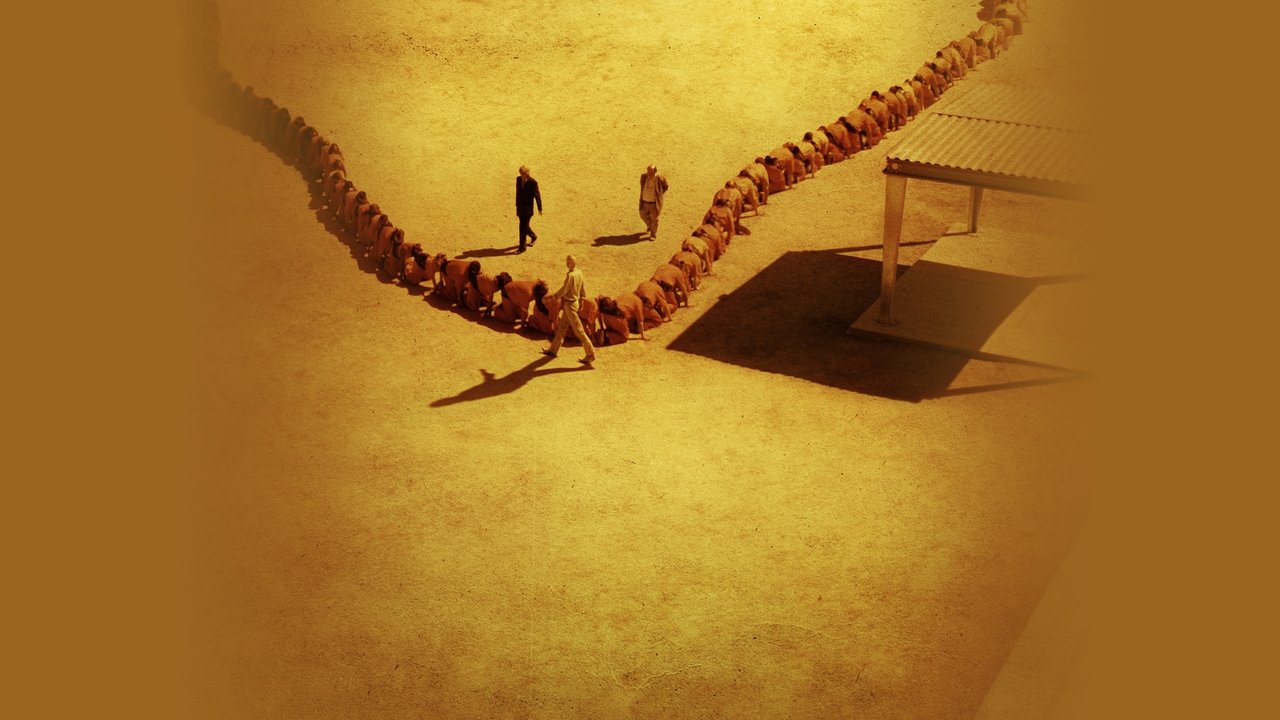
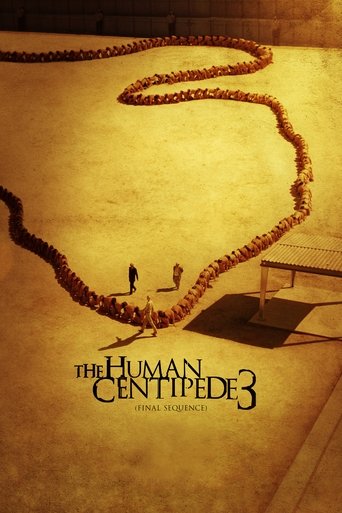
The 'budget meeting' scene where Butler presents his centipede proposal using a flip chart is darkly funny — Harvey's deadpan delivery of lines like 'We'll save millions on toilet paper' almost makes the concept work as satire. The warden's meltdown in the cafeteria, where he screams at inmates while food flies everywhere, is pure Dieter Laser unleashed. And that final shot of the completed centipede, stretching endlessly down the prison corridor, is the one image that lives up to the trilogy's infamous reputation.
The Ending — Does It Deliver?
The ending feels both inevitable and unearned. After so much buildup, the actual centipede assembly happens in a montage that's weirdly anticlimactic. I kept waiting for some last twist or revelation, but the film just… stops. What stayed with me was the final reveal of the warden's fate, a punchline that undercuts any pretense of seriousness. It leaves you feeling dirty, but not in the way the filmmakers intended.
What Works
Dieter Laser's performance is the only thing holding this together — his unhinged energy makes every scene feel like it might spiral into actual violence. The practical effects during the surgery sequence are impressively disgusting, especially the close-ups of sutures pulling skin taut. That single wide shot of the completed centipede is the most striking image in the entire trilogy, a rare moment where concept and execution align.
Honest Criticism
The middle third drags with endless scenes of bureaucratic bickering that aren't funny or scary. Bree Olson's character exists solely to suffer misogynistic abuse without purpose or payoff. The attempts at meta-commentary about the previous films fall flat because the script can't decide if it's satirizing horror tropes or just repeating them.
How It Compares
Compared to the clinical horror of the first Human Centipede or the grimy dread of the second, this installment plays like a Troma film with a bigger budget. It lacks the unsettling restraint of Deadgirl but shares that film's nihilism. Where it fails is in balancing satire and shock — American Mary did this better by actually giving its protagonist depth. Here, everyone's a cartoon.
Legacy & Cultural Impact
The film grossed just $37,000 worldwide, becoming one of 2015's biggest flops. Critics universally panned it, with RogerEbert.com calling it 'a hate letter to its own audience.' It briefly trended on Twitter for being banned in several countries, but even that controversy fizzled fast. The trilogy's cultural impact remains confined to shock-value memes and 'worst movies ever' lists.
Behind the Scenes
Dieter Laser reportedly refused to break character on set, shouting at crew members between takes. The prison set was built inside an actual abandoned penitentiary in California. Tom Six cameoed as a surgeon in the operating scene, then cut his own scene when test audiences laughed at it.
Who Should Watch It?
Gorehounds who measure quality by gallons of fake blood might find moments to enjoy. Anyone looking for actual horror or coherent storytelling should steer clear. It's the cinematic equivalent of a dare — watchable only as a test of endurance.
Final Verdict
This earns its 2-star rating by being exactly what it promises, even if that promise is worthless. Laser's performance and that final shot justify about 20 minutes of your time — the other 83 are punishment. Watch it once to complete the trilogy, then scrub your memory with soap. There's ambition in its depravity, but ambition isn't enough.
More details, ratings, and cast information on IMDb, TMDB, Wikipedia. YouTube