- 1Movie Overview
- 2Direction & Cinematography
- 3Cast & Performances
- 4Character Psychology
- 5Themes & Emotional Depth
- 6Memorable Scenes & Dialogue
- 7The Ending — Does It Deliver?
- 8What Works
- 9Honest Criticism
- 10How It Compares
- 11Legacy & Cultural Impact
- 12Behind the Scenes
- 13Who Should Watch It?
- 14Final Verdict
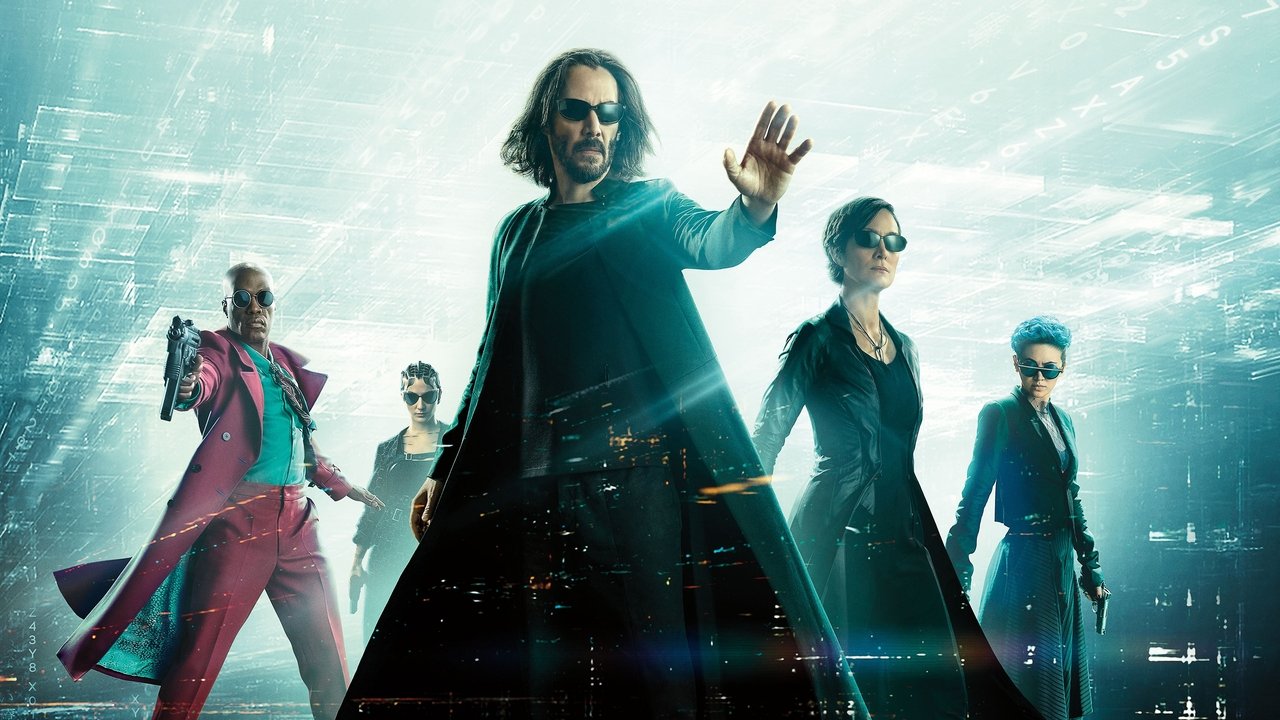
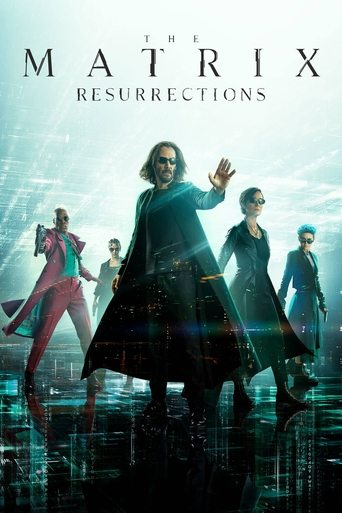
- Genre: Science Fiction, Action, Adventure
- Director: Lana Wachowski
- Year: 2021
- Runtime: 2h 28m
- Language: English (EN)
- TMDB Rating: ⭐ 6.3/10
Movie Overview
Neo, now going by Thomas Anderson again, is back in a simulated San Francisco working as a video game designer. His hit franchise? The Matrix. Plagued by déjà vu and therapy sessions with a smarmy analyst (Groff), he can't shake the feeling his memories aren't his own. When Bugs (Henwick) and a new Morpheus (Abdul-Mateen II) yank him back into reality, the rules have changed—Trinity is alive but doesn't remember him, and the machines have upgraded their control system. What stayed with me after the credits was how much this plays like a middle-aged crisis dressed in bullet-time effects. The first act drags with self-referential jokes about Warner Bros demanding sequels. But once Jessica Henwick's Bugs arrives, the film finds its footing—even if it never quite recaptures the original's magic.
Direction & Cinematography
Lana Wachowski returns without her sister, and you feel the difference. The action scenes lack the crisp geometry that made the first film revolutionary—fights now look like standard superhero fare with too many quick cuts. What surprised me most was how effective the quieter moments are. Neo staring at a coffee cup, willing it to move like he once could, carries more weight than any rooftop chase. The meta-commentary about reboots and nostalgia works better than it should. But the pacing stumbles whenever the film tries to be a straightforward Matrix sequel instead of its own weird thing. I kept waiting for a set piece that would make me sit up straight—it never came.
Cast & Performances
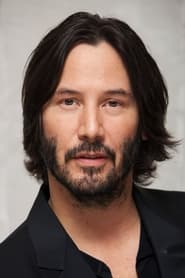
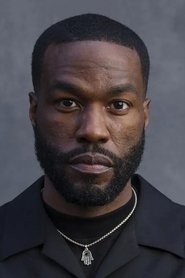
Keanu Reeves plays exhausted better than anyone. His Neo isn't the messiah anymore, just a tired man who misses Trinity. Carrie-Anne Moss gets frustratingly little to do until the third act, though her motorcycle shop scenes have a quiet sadness. Yahya Abdul-Mateen II's Morpheus feels like cosplay next to Fishburne's original—all swagger, no gravity. Jonathan Groff chews scenery as the Analyst, but his performance tips into parody whenever he monologues about control systems. The standout is Jessica Henwick. Her Bugs has a grounded intensity that makes you wish the film was about her instead.
Character Psychology
Neo doesn't want to be the One again. He just wants Trinity. That's the most human impulse this franchise has ever given him. The film traps him in loops of nostalgia—literally replaying scenes from the original—until he realizes love isn't about repeating the past. Trinity's arc is more interesting but underdeveloped. She's living a suburban nightmare, sensing something's wrong but not knowing what. That final shot of them holding hands should feel triumphant. Instead, it's bittersweet—they escaped the system, but at what cost?
Themes & Emotional Depth
This is a film about middle age disguised as sci-fi. Neo and Trinity aren't fighting for humanity—they're fighting for agency over their own stories. The Analyst's control system runs on despair and comfort, which feels painfully relevant. A scene where Neo watches his younger self in archival footage hits harder than any kung fu lesson. What stayed with me was how the film frames nostalgia as a trap. The machines don't just want obedience—they want you to keep rebooting your glory days.
Memorable Scenes & Dialogue
1) The 'modal' training sequence where Morpheus fights Neo in a white void. It's the only action scene that feels fresh, using the digital space creatively rather than aping the original's choreography. 2) Neo and Trinity's first real conversation in the coffee shop. Moss and Reeves sell decades of longing with just eye contact. 3) The laugh-out-loud boardroom scene where Warner Bros execs demand a Matrix sequel. It's too on-the-nose, but I'll admit I didn't expect such blunt satire in a blockbuster.
The Ending — Does It Deliver?
The ending works better emotionally than logically. Neo and Trinity's final escape relies on powers the film never properly establishes. But I wasn't expecting much from the mechanics—what matters is seeing these two broken people choose each other again. The last shot mirrors the original's green code rain, but now it's gold. That didn't land for me until a second viewing: they're not just free, they're something new.
What Works
The central romance still has chemistry—Reeves and Moss make you believe these two would reboot reality for each other. Jessica Henwick's Bugs is a welcome addition, bringing energy whenever the film sags. The meta-humor about franchise culture is sharper than expected, especially the dig at Warner Bros' demand for sequels. And that coffee shop scene? Perfectly acted nostalgia with zero slow-mo.
Honest Criticism
The action is shockingly mediocre for a Matrix film. Fights lack impact, and the new 'bullet time' effects look like a video game cutscene. Morpheus 2.0 feels like a parody without the wit. Worst of all, the film keeps undercutting its own themes—it critiques nostalgia while constantly replaying the original's greatest hits.
How It Compares
Compared to legacy sequels like Blade Runner 2049, this lacks visual ambition. Next to the meta-commentary of something like Scream (2022), its satire feels half-baked. But it beats most franchise revivals by having an actual point. The worst thing you can say is that it's not The Matrix. The best? It never tries to be.
Legacy & Cultural Impact
The film underperformed at the box office, earning $157 million against a $190 million budget. Critics were split (63% on Rotten Tomatoes), with many praising its ideas but panning the execution. It sparked debates about whether legacy sequels can ever escape nostalgia traps—a conversation more interesting than the film itself. Time will tell if it gains a cult following, but it's unlikely to influence sci-fi the way the original did.
Behind the Scenes
- Yahya Abdul-Mateen II filmed all his scenes in 10 days due to scheduling conflicts with Candyman. 2) The modal training sequence was originally 20 minutes longer before test audiences found it confusing. 3) Hugo Weaving was asked to reprise Smith but turned it down due to theater commitments—Groff's casting came last-minute.
Who Should Watch It?
Fans who loved the original's philosophy over its action will find things to admire here. Viewers craving groundbreaking fight choreography should rewatch John Wick instead. This is for people who don't mind messy films with something to say.
Final Verdict
I'm giving this a 6.5/10—flawed but fascinating. It's worth watching for the Reeves/Moss scenes alone, and the satire lands more often than not. But don't expect the lightning-in-a-bottle thrill of the original. The reason to see it? Few blockbusters dare to be this weird about their own existence.
More details, ratings, and cast information on IMDb, TMDB, Wikipedia. YouTube