- 1Movie Overview
- 2Direction & Cinematography
- 3Cast & Performances
- 4Character Psychology
- 5Themes & Emotional Depth
- 6Memorable Scenes & Dialogue
- 7The Ending — Does It Deliver?
- 8What Works
- 9Honest Criticism
- 10How It Compares
- 11Legacy & Cultural Impact
- 12Behind the Scenes
- 13Who Should Watch It?
- 14Final Verdict
- Genre: Horror, Mystery
- Director: Lee Cronin
- Year: 2026
- Runtime: 2h 13m
- Language: English (EN)
- TMDB Rating: ⭐ 8.1/10
Movie Overview
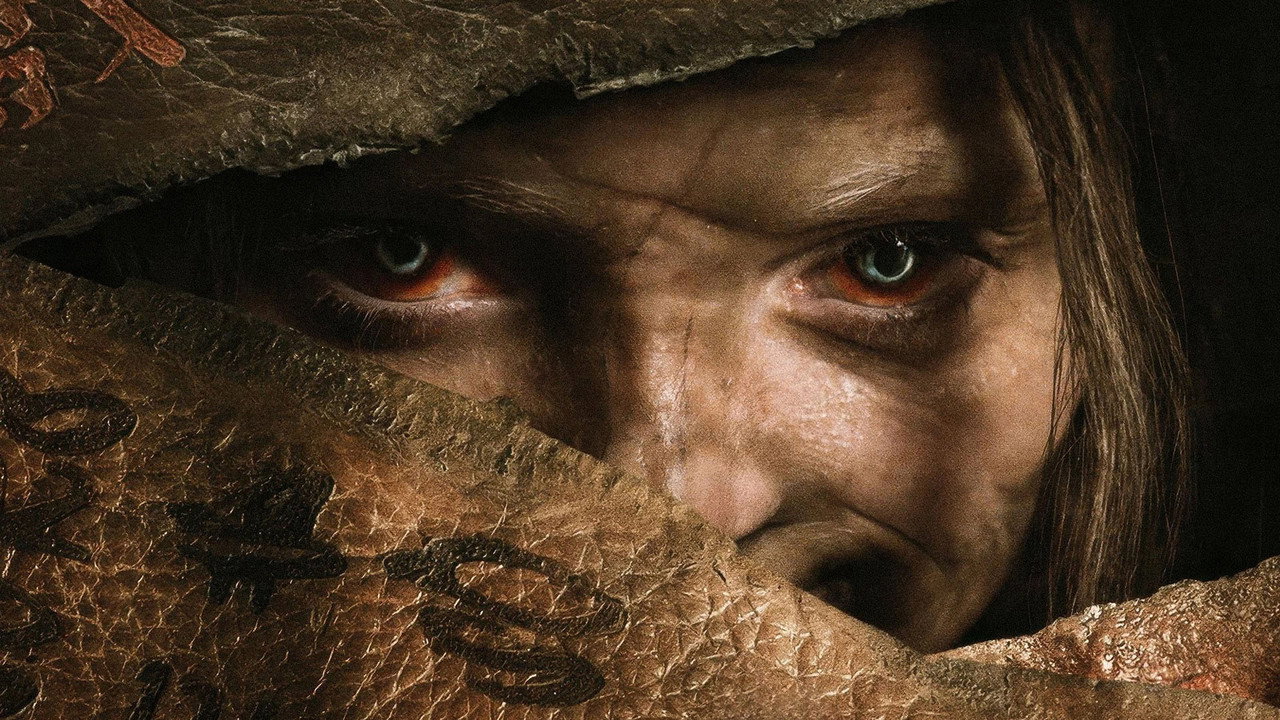
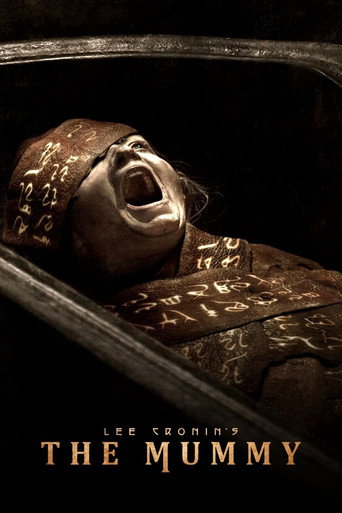
The Mummy opens with a frantic sequence as a young girl's father, journalist Adam (Jack Reynor), searches the desert for his missing daughter, Mia. Eight years pass, and the now fractured family receives a shocking twist when Mia suddenly returns without explanation. Initially, the reunion is filled with hope, but the joy quickly turns to dread as Adam and his wife, Clara (Laia Costa), realize their daughter may not be the same girl they lost. Events spiral from eerie occurrences to full-blown terror, revealing the family's deep-seated trauma and unresolved grief.
What struck me was how the film explores the concept of losing a child and the haunting consequences that linger in the lives of those left behind. As the family grapples with their new reality, they become trapped in a cycle of denial and fear. The narrative unfurls layers of emotional complexity, interweaving past memories with present horrors, particularly as Adam's obsessive need to protect Mia leads to dire decisions.
The pacing is steady, allowing tension to build slowly, but at times, it felt drawn out, especially during Mia's initial re-acclimation to her family life. I kept waiting for a clear climax, and while it eventually comes, earlier moments felt like they were stalling the inevitable reveal. The heart-wrenching moments shared between Adam and Mia reveal a deeper bond overshadowed by lingering uncertainty, contributing to the film's overall atmosphere of dread.
Clara's maternal instincts play heavily into the plot, showcasing her struggle to accept Mia’s return. The film ultimately poses the question: can we ever truly move on from our past traumas? The emotional weight builds throughout, creating a connection that ties both the family’s love and fear together, leading to a thought-provoking conclusion.
Direction & Cinematography
Lee Cronin’s direction in The Mummy is a balancing act between psychological horror and family drama. The way he juxtaposes tender moments with chilling revelations keeps viewers on edge. Notably, in one scene — where Adam watches old home videos of Mia — the camera lingers on Reynor's face, capturing a mix of longing and dread that perfectly sets the tone for what's to come.
The pacing fluctuates, allowing for quieter character moments that deepen emotional stakes. But, there are sections where the film meanders, particularly in the middle act when it feels repetitive. I noticed that while the tension builds effectively, it occasionally sacrifices momentum for exposition, which could frustrate viewers looking for a constant thrill.
What surprised me most was Cronin's choice to use natural lighting in many scenes, especially during family interactions. It adds a rawness to their exchanges, making the horror that unfolds more unsettling when contrasted against the warmth of their home life. The tone remains consistently dark, but the sporadic flashes of hope make the impending doom feel more significant.
Cast & Performances
Jack Reynor delivers a nuanced performance as Adam. His physicality — a mix of desperation and determination — is especially evident in scenes like when he clutches Mia’s photograph, portraying a father clinging to hope. There are moments when his sheer exhaustion from the search seeps through, adding depth to his character.
Laia Costa plays Clara with an impressive range, oscillating between tender maternal instincts and sheer terror as the truth about Mia emerges. Especially notable is a scene early on when she tries to comfort Mia, her voice wavering, reflecting the fragile state of her psyche. However, I felt her character could have benefited from more backstory to fully understand her motivations.
May Calamawy, as Mia, brings a haunting presence to her role. The way she delivers her lines — often with a detached calmness — contrasts sharply with the chaotic emotions of her parents. But I wasn't expecting her performance to feel so eerily unsettling; she keeps the audience guessing about her true nature. The subtlety in her expressions demands attention, making her the film's most intriguing character.
Character Psychology
Adam's surface desire is simple: he wants his daughter back and to restore their family. Yet, what he truly needs is to confront the grief and guilt surrounding Mia's disappearance. His need to protect her blinds him to the fact that she is not the same child he lost — a realization that sparks a tragic spiral.
Clara, on the other hand, initially appears to be coping better, but deeply yearns for the simple joys of motherhood again. She starts self-aware but becomes entangled in the nightmare that unfolds. Her failure to see the warning signs is heartbreaking and leads to an inevitable collapse.
Themes & Emotional Depth
At its core, The Mummy examines the complexities of trauma and recovery. The family’s struggle with fear of loss is palpable, especially in how Adam's obsessive behavior manifests. One pivotal scene is when Adam begins to confront his memories of Mia’s disappearance; it starkly highlights how grief can warp reality and create a living nightmare.
Additionally, the film raises questions about the nature of identity. Mia's character arc challenges the notion of who she is versus who her parents want her to be. The final confrontation forces each character to confront the ghosts of their past, navigating the thin line between love and possession.
Memorable Scenes & Dialogue
A standout moment occurs when Adam finds Mia’s old bedroom untouched, filled with dust. This scene not only serves as a visual reminder of their loss but also encapsulates Adam's refusal to accept the passage of time. The staging, with shadows dancing across the room, amplifies the eerie atmosphere.
Another crucial scene is the family dinner, where Mia's unsettling behavior triggers a breakdown in communication. The tension is palpable, highlighted by awkward silences that speak volumes of the underlying fear and mistrust. It's a powerful showcase of how horror can stem from within a family unit.
The Ending — Does It Deliver?
The climax builds upon the layers of tension established throughout the film, culminating in an emotional confrontation between Adam and Mia. The stakes feel high, and I found myself genuinely surprised by the direction it took. The resolution manages to tie together past traumas, offering a chilling reflection on the impact of unresolved grief.
The final shot, as Adam is left alone with a haunting reminder of what he has lost, lingers long after the credits roll. It leaves a sense of melancholy, prompting questions about reconciliation and acceptance that resonate well beyond the screen.
What Works
What works best in The Mummy is its emotional core. The performances from Jack Reynor and Laia Costa stand out, especially during moments of vulnerability. The claustrophobic atmosphere built through the mise-en-scène, particularly in the family home scenes, enhances the film’s psychological horror elements. Reynor's desperate search for his daughter, coupled with the eerie revelations about Mia, keeps the stakes high and the tension palpable.
Honest Criticism
However, the subplot involving a local historian who tries to help the family feels underdeveloped. While the character is interesting, their inclusion often sidelines the main narrative and disrupts the flow. The historical context they introduce ends up feeling like a distraction rather than a significant contribution to the plot, which bothered me slightly as it diluted the central themes.
How It Compares
The Mummy shares thematic elements with films like Hereditary and Pet Sematary, both exploring family trauma and the cost of loss. However, The Mummy sets itself apart by focusing more on familial relationships and less on supernatural horror. While it excels in character dynamics, it doesn't quite reach the same level of visceral tension as Hereditary. Yet, its emotional depth may resonate more with viewers who appreciate psychological horror rooted in family drama.
Legacy & Cultural Impact
Although it's early in its release, The Mummy has already garnered significant attention for its unique approach to horror. With a strong 8.1 rating on TMDB, it suggests a favorable reception. Critics have noted its blend of psychological depth with horror elements, potentially influencing a new wave of horror films that prioritize character-driven narratives.
Behind the Scenes
Filming was partly done in the deserts of Morocco, which created logistical challenges, particularly in terms of temperature and equipment. Jack Reynor and Laia Costa shared that many of their emotional scenes were achieved in a single take, thanks to the director's emphasis on natural performances. May Calamawy was cast just a week before shooting began, adding an element of spontaneity to the character.
Who Should Watch It?
Fans of psychological horror that delve into family dynamics will likely find much to appreciate in The Mummy. Viewers looking for traditional jump scares or pure supernatural thrills might want to skip this in favor of more conventional horror fare. This film requires patience and an appreciation for character-driven stories.
Final Verdict
I’d recommend The Mummy for its emotional depth and strong performances, particularly from Jack Reynor. It’s a film that forces viewers to confront their own fears around loss and acceptance. If you’re after a horror that’s more about psychological disintegration than mere frights, this is worth your time.
More details, ratings, and cast information on IMDb, TMDB, Wikipedia. YouTube