- 1Movie Overview
- 2Direction & Cinematography
- 3Cast & Performances
- 4Character Psychology
- 5Themes & Emotional Depth
- 6Memorable Scenes & Dialogue
- 7The Ending — Does It Deliver?
- 8What Works
- 9Honest Criticism
- 10How It Compares
- 11Legacy & Cultural Impact
- 12Behind the Scenes
- 13Who Should Watch It?
- 14Final Verdict

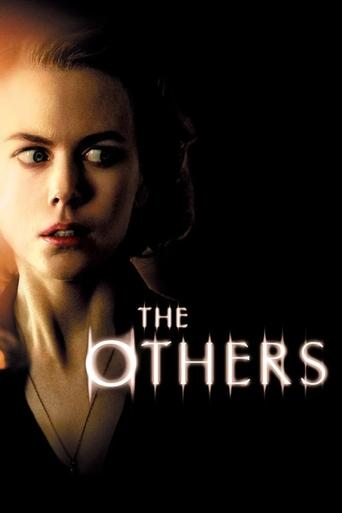
- Genre: Horror, Mystery, Thriller
- Director: Alejandro Amenábar
- Year: 2001
- Runtime: 1h 41m
- Language: English (EN)
- TMDB Rating: ⭐ 7.6/10
Movie Overview
Grace Stewart keeps the curtains drawn. Her children, Anne and Nicholas, suffer from a severe light sensitivity, turning their Jersey manor into a dimly lit prison. It's 1945, the war is over, and Grace's husband hasn't returned. When three new servants arrive — an elderly woman, a gardener, and a mute girl — the house begins whispering. Furniture moves. Doors unlock themselves. And Anne insists she's seen a boy named Victor.
Grace clings to routine like armor. She drills the children on Bible verses and slaps Anne for 'lying' about the ghosts. What stayed with me after the credits is how Grace's rigidity makes every supernatural event feel like a personal affront.
Amenábar parcels out scares with cruel patience. The moment when Grace, clutching a shotgun, walks upstairs toward a sobbing sound that isn't her daughter, made my skin prickle on rewatch.
That's the real horror here: a mother realizing her rules can't protect anyone.
Direction & Cinematography
Alejandro Amenábar shoots The Others like a gothic oil painting smudging at the edges. Hallways fade into blackness, and candlelight only reaches so far. What surprised me most was how little he relies on jump scares — tension builds through Grace's tightening grip on a door handle or the way curtains seem to move without wind.
But the film's best trick is perspective. For the first hour, we only see what Grace sees. When Anne describes Victor, the camera stays fixed on Kidman's face, not the empty space. It makes you question every shadow.
I'll admit I didn't expect the pacing to work so well. Most horror films sprint toward reveals; this one lingers in doubt. The dread accumulates like fog under a door.
Cast & Performances
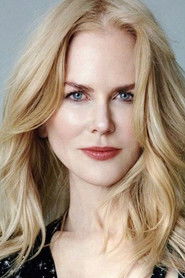
Nicole Kidman's spine could be the film's best special effect. Watch how she never fully leans back in chairs — always poised to spring at threats real or imagined. Her Grace is brittle as old porcelain, cracking just slowly enough to maintain dignity. That scene where she whispers 'I am your mother' to Anne through gritted teeth? Chilling.
Alakina Mann, playing Anne, gives one of those rare child performances that doesn't feel performative. Her matter-of-fact delivery of lines like 'Mum, I'm not mad' lands with eerie calm.
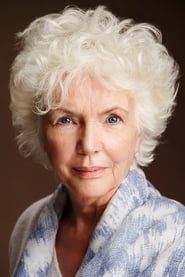
Fionnula Flanagan's Mrs. Mills unsettles precisely because she's so competent. It bothered me slightly that the servants' subplot gets resolved too neatly, but Flanagan sells every wary glance.
Character Psychology
Grace needs control like she needs air. Every Bible verse recited, every curtain secured, is a brick in the wall against chaos. What she wants is to keep her children safe from the world. What she needs is to admit they're already part of its darkness.
The tragedy is she never gets there. Grace's final realization isn't growth — it's defeat.
Themes & Emotional Depth
The Others is about the violence of denial. Grace's refusal to acknowledge her children's experiences mirrors how she handles grief — with rules instead of tears. The film's best scene makes this literal: Anne draws pictures of the 'intruders,' and Grace burns them, insisting 'we don't need these.'
It's also a sharp class portrait. Those servants aren't just plot devices; their compliance hides generations of silent observation. When Mrs. Mills says 'This house is ours,' it lands like a guillotine.
Memorable Scenes & Dialogue
The sheet-covered séance scene works because of its simplicity. No CGI, just three actors under fabric, their voices muffled as Grace circles them with a knife. Kidman's breathy 'Who are you?' turns what could be silly into something primal.
Then there's the piano scene. Grace hears music, storms into the room, and finds no one there — until the camera slowly tilts down to show Anne's hands resting on the keys. The delayed reveal taps into every parent's fear of not knowing their own child.
The Ending — Does It Deliver?
The twist lands because Amenábar plants clues like landmines. On rewatch, I noticed how often characters say things like 'This house is ours' or 'You're the one who's dead' — lines that seem metaphorical until they're not.
What surprised me most was the lack of catharsis. The ending isn't a release but a quiet settling, like dust after a landslide. The final shot of Grace frozen in her own rules left me more unsettled than any scream could.
What Works
Kidman's performance turns repression into high drama. Watch how she folds a blanket in Act 1 — the precision tells you everything. The sound design deserves praise too; creaking doors and distant whispers build dread without cheap shocks. That moment when Grace realizes the piano music is 'her' song? Devastating because the film waits so long to reveal it.
And the decision to keep ghosts offscreen until the end makes every shadow a threat.
Honest Criticism
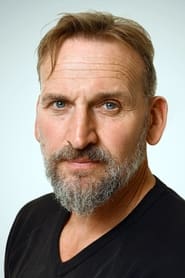
Christopher Eccleston's war-traumatized husband feels tacked on. His big emotional scene arrives too late to matter. The fake-out scare with the little girl under the sheet is the film's one misstep — it's the only moment that feels like a conventional horror beat. And the children's photosensitivity condition, while thematically relevant, isn't explored beyond plot convenience.
How It Compares
The Others shares DNA with The Innocents (1961) in its use of unreliable perception, but where that film drowns in ambiguity, Amenábar's climax commits. It's less playful than The Sixth Sense — no emotional payoff to soften the blow — and that's why it sticks.
Where it falls short is in side characters. Unlike The Haunting (1963), the servants feel like pieces in Grace's story rather than people with their own stakes.
Legacy & Cultural Impact
The Others grossed $209 million worldwide against a $17 million budget, proving smart horror could thrive post-Scream. It won 8 Goya Awards, including Best Film, but was bizarrely overlooked by the Oscars.
Its influence surfaces in films like The Babadook — mothers unraveling in confined spaces — and the current trend of period-piece horror. That piano scene alone has been homaged to death.
Behind the Scenes
Nicole Kidman injured her neck during filming, forcing Amenábar to shoot her from behind for two weeks — hence all those tense shots of her rigid posture.
The house is a real manor in Spain; its lack of central heating made the breath-visible scenes easy to capture.
Originally, Grace's husband had more scenes, but test audiences found his presence diluted the claustrophobia.
Who Should Watch It?
Patience pays off for fans of gothic horror where atmosphere outweighs gore. If you love parsing clues in slow-burn thrillers like The Witch, this is your jam.
Skip it if you need constant action or detest ambiguous endings. Grace's icy demeanor could alienate viewers craving warmth.
Final Verdict
8.2/10. The Others earns its reputation by weaponizing restraint — both in scares and emotional release. Kidman's controlled breakdown alone justifies the watch. That final revelation lands because the film trusts you to sit with discomfort. See it for the best use of a fog machine in cinematic history.
More details, ratings, and cast information on IMDb, TMDB, Wikipedia. YouTube