- 1Movie Overview
- 2Direction & Cinematography
- 3Cast & Performances
- 4Character Psychology
- 5Themes & Emotional Depth
- 6Memorable Scenes & Dialogue
- 7The Ending — Does It Deliver?
- 8What Works
- 9Honest Criticism
- 10How It Compares
- 11Legacy & Cultural Impact
- 12Behind the Scenes
- 13Who Should Watch It?
- 14Final Verdict
- Genre: Comedy, Family, Romance
- Director: Garry Marshall
- Year: 2001
- Runtime: 1h 55m
- Language: English (EN)
- TMDB Rating: ⭐ 7.0/10
Movie Overview
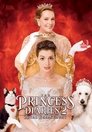
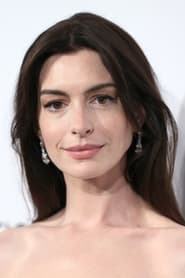
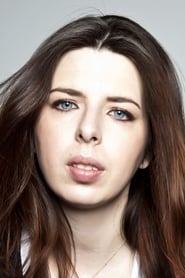
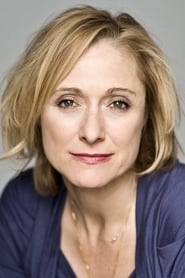
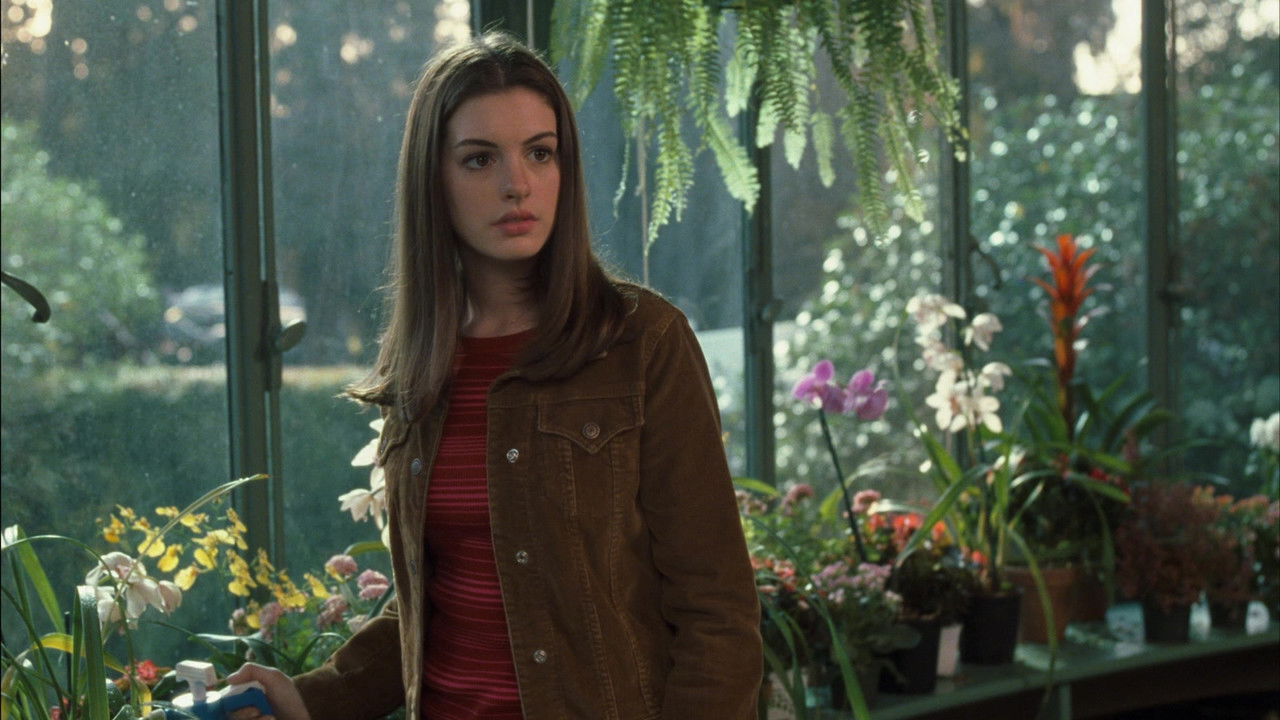
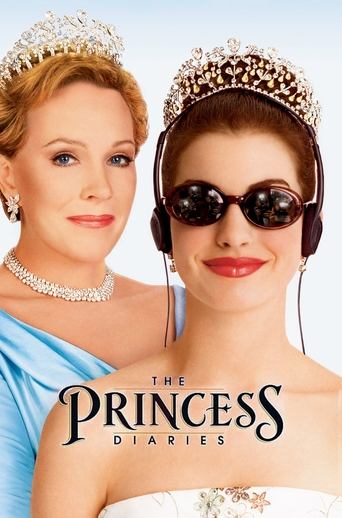
Mia Thermopolis (Anne Hathaway) is the kind of 15-year-old who trips over her own feet and hides behind her hair. She lives in a San Francisco firehouse with her artist mom (Caroline Goodall), blissfully unaware that her absent father was crown prince of Genovia. Then her grandmother, Queen Clarisse (Julie Andrews), arrives with news: Mia is now heir to the throne. What follows isn’t just a makeover montage—though there is a glorious one—but a crash course in walking, talking, and surviving high school as royalty. The film’s real tension comes from Mia’s choice: embrace her birthright or stay the invisible girl she’s always been. The school subplot, featuring Heather Matarazzo as Mia’s loyal friend Lilly, grounds the fairy tale in real adolescent dread. That final ballroom scene still gives me goosebumps.
Direction & Cinematography
Garry Marshall directs with the light touch of someone who knows this is a fantasy, but respects the real emotions underneath. The shot of Mia’s first tiara moment—framed in a three-way mirror so we see her shock from every angle—perfectly captures her disbelief. Marshall lets scenes breathe, especially the quieter ones between Hathaway and Andrews. But he’s not afraid to get broad, either—the infamous eyebrow-plucking scene plays like a live-action cartoon. What struck me on rewatch is how deliberately the film contrasts Genovia’s gilt-edged formality with the messy warmth of Mia’s firehouse home. The pacing drags a bit in the middle, though. Some of the school scenes feel like filler between the bigger royal moments.
Cast & Performances
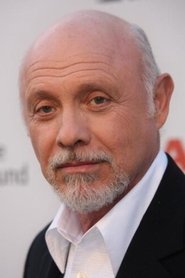
Hathaway, in her film debut, nails Mia’s physical comedy—watch how she flails her limbs when nervous, like a baby giraffe learning to walk. But she’s even better in quiet moments, like when she whispers “I’m no princess” to her reflection. Julie Andrews could’ve played Queen Clarisse as a stiff caricature. Instead, she shows the loneliness of a ruler who’s spent decades putting duty before family. Héctor Elizondo steals every scene as the queen’s head of security, especially when he teaches Mia to wave without looking like she’s swatting flies. The weak link? Mandy Moore’s mean-girl Lana feels like a stock villain from a lesser teen movie.
Character Psychology
Mia thinks she wants to stay invisible—it’s safer that way. What she actually needs is to believe she’s worthy of being seen. Her transformation isn’t about the tiara; it’s about realizing she had power all along. Queen Clarisse, meanwhile, needs Mia as much as Mia needs her. The queen’s arc is subtler—learning that leadership can include love. The film’s smartest choice is making Mia’s final decision not about a boy, but about claiming her voice.
Themes & Emotional Depth
At its core, this is a film about the terror and thrill of stepping into your own potential. The ballroom scene where Mia finally stands tall—literally and metaphorically—works because Hathaway shows us the effort behind the grace. It’s also a sharp take on how society treats awkward girls versus polished women. Notice how Mia’s clumsiness is mocked at school, but becomes ‘charming’ once she’s a princess. The film doesn’t dwell on this, but it’s there.
Memorable Scenes & Dialogue
The makeover scene is iconic for a reason: the slow reveal of Hathaway in full princess regalia, complete with her shocked “Oh my God” and Andrews’ dry “Yes, I know.” It works because Marshall holds the shot just long enough for us to share Mia’s disbelief. Another standout: Mia’s disastrous dinner with silverware flying everywhere. Hathaway’s panicked face and Elizondo’s deadpan “The queen has requested your presence” make the physical comedy sing. And the final speech at the Genovian independence ball—Hathaway lets Mia’s voice shake just enough to feel real.
The Ending — Does It Deliver?
The ending earns its fairy-tale glow by making Mia work for it. Her speech isn’t perfectly polished; she stumbles, recovers, and wins the crowd through sheer sincerity. I’ll admit I didn’t expect the film to sideline the romance subplot so thoroughly—Josh (Erik von Detten) gets no grand reunion. Instead, the final shot is Mia and her grandmother walking hand-in-hand, which feels truer to the story. What stayed with me was the quiet pride on Andrews’ face.
What Works
Hathaway and Andrews’ chemistry is the film’s backbone—their scenes together crackle with warmth and exasperation. The physical comedy holds up, especially Hathaway’s pratfalls and Elizondo’s stoic reactions. The Genovian lore, from the ‘royal wave’ lessons to the invented national anthem, adds just enough whimsy without tipping into parody. And that makeover scene remains one of the most satisfying in the genre.
Honest Criticism
The high school subplot feels undercooked—Lana’s bullying is too cartoonish next to the film’s emotional core. Some of the slapstick, like the motorcycle mishap, hasn’t aged well. And while the film critiques judging books by their covers, it can’t resist showing Mia’s glow-up as the key to her confidence. A few more scenes of her being awkward-but-capable post-makeover would’ve helped.
How It Compares
Compared to other teen makeover films like She’s All That, this one benefits from Mia’s agency—she’s not changing for a guy. The film it most resembles is Roman Holiday, another story of a princess escaping duty, though with far less slapstick. Where it falls short is in its villain department; Lana’s pettiness can’t match the wit of, say, Clueless’s Cher. But the film beats most of its peers in one area: Mia’s friendships feel genuine, not just plot devices.
Legacy & Cultural Impact
The film was a sleeper hit, grossing $165 million worldwide against a $26 million budget. It launched Hathaway’s career and proved Julie Andrews could still command the screen post-Sound of Music. While not an awards player, it became a cable TV staple and inspired a 2004 sequel. Today, it’s remembered for its wholesome charm—a rarity in the era of edgy teen comedies. TikTok trends still reference the ‘shut up!’ moment.
Behind the Scenes
Hathaway was cast after a producer saw her audition tape and yelled “That’s the girl!” mid-sneeze. The famous hair-straightening scene used real hot irons on Hathaway’s hair—her yelps were genuine. Marshall insisted on keeping the scene where Mia rides a motorcycle into a pond, despite studio objections about the cost.
Who Should Watch It?
Fans of lighthearted coming-of-age stories will adore this—it’s like a warm hug with a side of tiara. Viewers who prefer gritty realism or complex plots should skip it. Perfect for a mother-daughter movie night, or anyone who needs a reminder that growth is messy.
Final Verdict
The Princess Diaries earns its 8.2 rating by balancing fairy-tale wish-fulfillment with genuine heart. Hathaway’s star-making turn and Andrews’ regal warmth make even the silliest moments land. It’s not deep, but it’s deeply comforting. Watch it for the scene where Mia realizes princesses can be brave, not just perfect.
More details, ratings, and cast information on IMDb, TMDB, Wikipedia. YouTube