- 1Movie Overview
- 2Direction & Cinematography
- 3Cast & Performances
- 4Character Psychology
- 5Themes & Emotional Depth
- 6Memorable Scenes & Dialogue
- 7The Ending — Does It Deliver?
- 8What Works
- 9Honest Criticism
- 10How It Compares
- 11Legacy & Cultural Impact
- 12Behind the Scenes
- 13Who Should Watch It?
- 14Final Verdict

Movie Overview
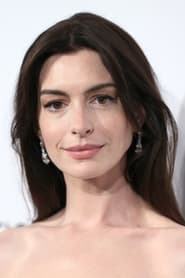
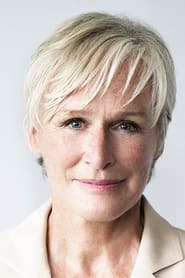
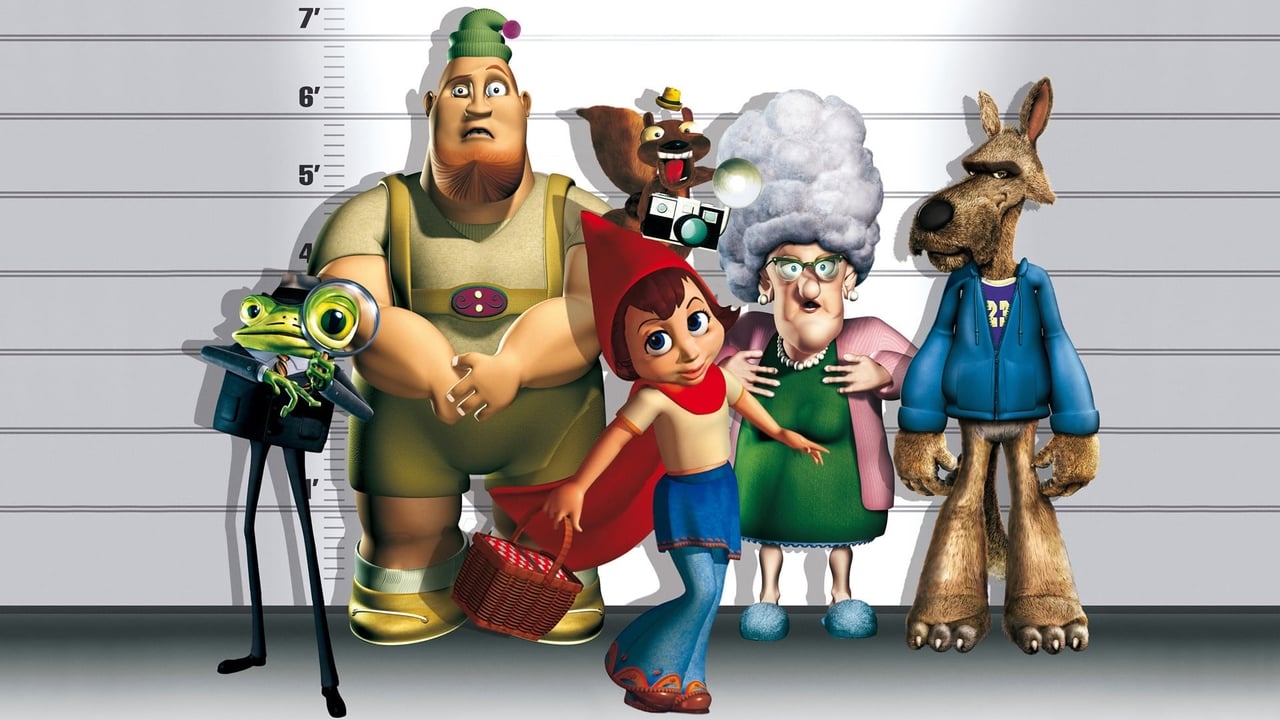
The film opens with police tape around Granny's cottage — a crime scene where Little Red (Anne Hathaway), the Wolf (Patrick Warburton), Granny (Glenn Close), and the Woodsman (Jim Belushi) all tell conflicting versions of what happened. Each retelling twists fairy tale tropes into absurd new shapes: Granny's an extreme sports enthusiast, the Wolf's a frustrated journalist, and Red's got martial arts skills. The real surprise isn't who did it, but how all these ridiculous versions eventually fit together. That final reveal makes the whole thing click in a way I wasn't expecting.
Direction & Cinematography
Cory Edwards makes clever use of limited animation by treating the film like a series of comic book panels — characters frequently freeze mid-action for visual gags. The Rashomon-style structure keeps things moving even when the animation quality dips. What struck me was how Edwards stages interrogation scenes like a police procedural, complete with dramatic lighting shifts when characters lie. But the pacing stumbles whenever the film cuts away to forgettable side characters like the singing goat. I'll admit I didn't expect the multiple timelines to pay off as neatly as they do.
Cast & Performances
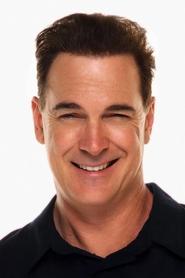
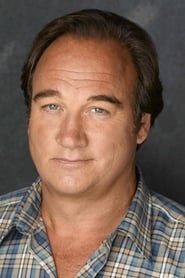
Patrick Warburton steals every scene as the Wolf, delivering lines like 'I was framed by a little girl in a cape' with perfect deadpan exhaustion. Anne Hathaway makes Red believably spunky, though her vocal performance occasionally veers into shrill territory during action scenes. Glenn Close's Granny sounds like she's having the time of her life — especially when recounting her extreme knitting habits. Jim Belushi's Woodsman is the weak link, playing broad when the role needed more dopey sincerity.
Character Psychology
Red thinks she's the hero of her own adventure story — but really, she's just one piece of a much weirder puzzle. The Wolf's entire arc is about being trapped by his own reputation. That final scene where they realize they've both been played is the film's most human moment.
Themes & Emotional Depth
At its core, this is about how stories get distorted by perspective. The funniest example is when each character describes the same chase scene completely differently — Red sees herself as graceful, while the Wolf remembers her flailing wildly. It's also sneakily about how fairy tale roles limit people. The Wolf's frustration at always being cast as the villain feels surprisingly relatable.
Memorable Scenes & Dialogue
The Wolf's 'Bad Reputation' musical number works because Warburton commits fully to the self-pity, slumping against a tree while singing about typecasting. Granny's extreme sports montage — complete with knitting while base jumping — lands because Close delivers lines like 'I live for the stitch' with complete conviction. The interrogation room gag where characters keep changing their stories mid-sentence shows smart visual comedy despite the crude animation.
The Ending — Does It Deliver?
The reveal of the real villain makes perfect sense in hindsight, which is the mark of a good mystery. What surprised me was how emotional the resolution feels — there's genuine warmth when these characters stop seeing each other as stereotypes. The final shot of them all sharing a meal at Granny's feels earned, not saccharine.
What Works
The script's wordplay holds up — especially the Wolf's dry one-liners ('I'm not bad, I'm just drawn that way'). The mystery structure makes rewatches rewarding as you spot clues in early scenes. Hathaway and Warburton have terrific comedic chemistry during their shared flashbacks. That scene where all four characters finally piece together the truth is genuinely clever storytelling.
Honest Criticism
The animation is distractingly crude even for 2005, with characters moving like marionettes. The Woodsman subplot about his failed acting career goes nowhere funny. Several musical numbers stop the film dead when it should be building momentum toward the climax.
How It Compares
It's Shrek meets Rashomon on a shoestring budget. The humor is sharper than most DreamWorks films of the era, but the animation quality can't compete. Compared to later fairy tale satires like Into the Woods, Hoodwinked! keeps its themes simpler but delivers more consistent laughs.
Legacy & Cultural Impact
Made for just $15 million, it grossed over $110 million worldwide — proving cheap animation could still turn a profit. Though overshadowed by bigger studio films, it developed a cult following for its witty script. You can see its DNA in later meta fairy tales like Happily N'Ever After, though none matched its charm.
Behind the Scenes
The entire film was animated using off-the-shelf software to cut costs. Patrick Warburton ad-libbed many of the Wolf's sarcastic lines. Originally planned as a traditionally animated film, the switch to CGI happened late in development.
Who Should Watch It?
Fans of snarky fairy tale parodies will enjoy this more than the animation quality suggests. Viewers who need polished visuals or straightforward storytelling should look elsewhere.
Final Verdict
Hoodwinked! earns its cult status through wit, not visuals. The 6.3 IMDb rating feels about right — it's flawed but frequently hilarious. What makes it worth watching is how it turns a simple children's story into a genuinely inventive comedy mystery. That final reveal makes the whole thing click in a way I wasn't expecting.
More details, ratings, and cast information on IMDb, TMDB, Wikipedia. YouTube