- 1Movie Overview
- 2Direction & Cinematography
- 3Cast & Performances
- 4Character Psychology
- 5Themes & Emotional Depth
- 6Memorable Scenes & Dialogue
- 7The Ending — Does It Deliver?
- 8What Works
- 9Honest Criticism
- 10How It Compares
- 11Legacy & Cultural Impact
- 12Behind the Scenes
- 13Who Should Watch It?
- 14Final Verdict

- Genre: War, History, Drama
- Director: Richard Fleischer
- Year: 1970
- Runtime: 2h 24m
- Language: English (EN)
- TMDB Rating: ⭐ 7.2/10
Movie Overview
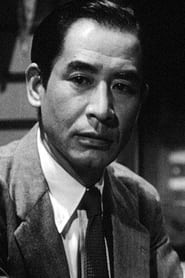
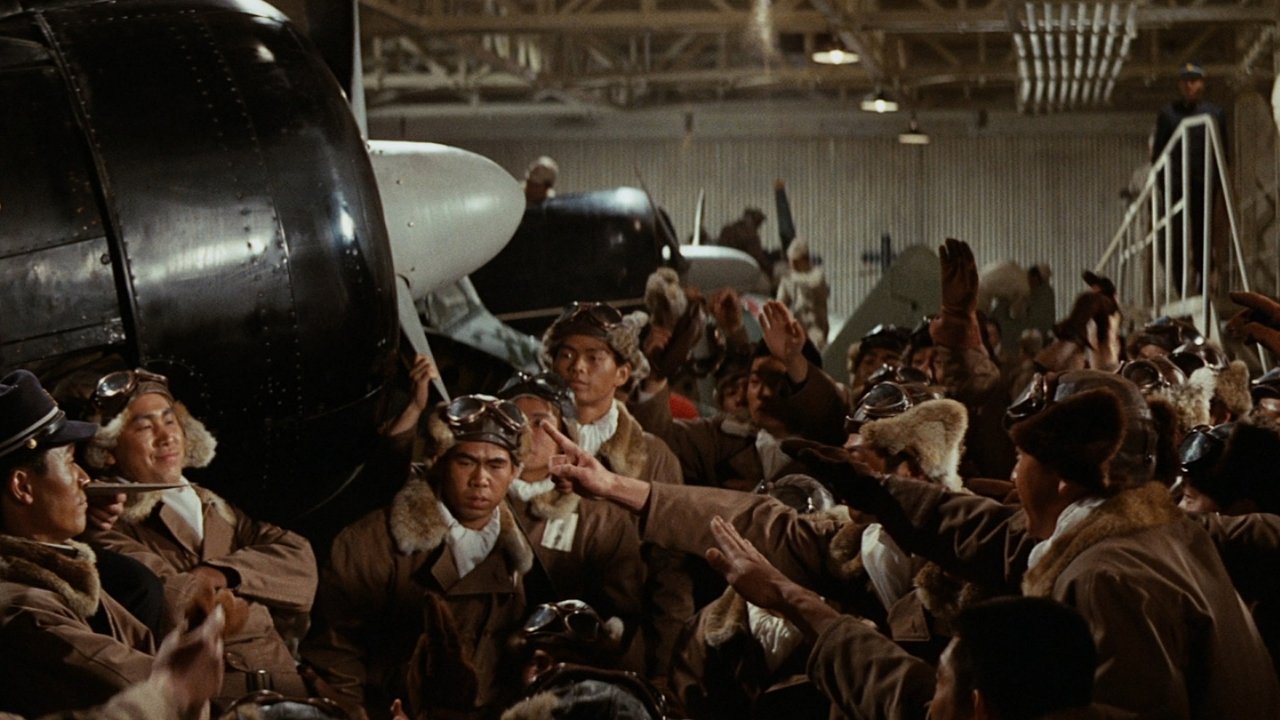
The film doesn't start with battleships. It opens in a quiet Japanese office, with Admiral Yamamoto (So Yamamura) calmly stating that attacking America would be a catastrophic mistake. That first scene sets the tone: this is a story about men trapped by politics and circumstance. The first hour crosscuts between Washington D.C. and Tokyo, following the diplomatic failures and military preparations. On one side, you have American officers like Admiral Kimmel (Martin Balsam) and General Short (Jason Robards) receiving ambiguous warnings and making what they think are prudent decisions. On the other, Japanese commanders, under immense pressure, reluctantly finalize a plan they know is a desperate gamble.
You know the ending, but the tension isn't in the surprise. It's in the excruciating build-up. Every missed signal, every bureaucratic delay, every dismissed intelligence report clicks into place with awful inevitability. The film spends a huge amount of time in boardrooms and offices, which sounds dull but somehow isn't. You're watching two massive machines slowly grinding toward collision, and the people inside them are powerless to stop it.
Then, of course, the attack happens. The final 40 minutes are pure, horrifying spectacle. But it's not glamorized. The focus stays on the chaos and the cost, not on heroics.
The film's genius is its refusal to pick a villain. It just shows the gears turning until they break.
Direction & Cinematography
Richard Fleischer's direction here is remarkably sober. He resists the urge to pump up the drama with swelling music or heroic close-ups. Instead, the camera often sits back, letting scenes play out in wide shots that emphasize the isolation of decision-makers. What struck me most was the lack of a traditional musical score during the attack; the sound design of roaring engines, explosions, and alarms does all the work, and it's far more effective.
The pacing is deliberate, almost methodical. Some viewers might call it slow, but personally, I think that's the point. The slowness makes you feel the same frustrating inertia the characters do. You see a decoded message sitting on a desk for hours, and you're screaming at the screen. That's a specific, intentional choice that pays off.
But the direction really shines in the attack sequence. Fleischer uses an incredible mix of practical effects, miniatures, and real aircraft to create a sense of overwhelming scale. It's chaotic, but never confusing—you always know exactly where each strike is hitting and what's at stake. On rewatch, I noticed how few cuts there are in some of the destruction shots; he holds on the carnage just long enough for it to sink in, but not so long it feels exploitative.
Cast & Performances
The cast is stacked with character actors who specialize in quiet authority. Martin Balsam's Admiral Kimmel is the standout for me. He plays a man burdened by responsibility, his face constantly etched with a weary skepticism. There's a scene where he's handed yet another vague warning from Washington, and his sigh—just a small, tired exhale—says more than any angry monologue could. It's a performance of profound frustration.
So Yamamura brings a tragic dignity to Admiral Yamamoto. He delivers the famous line about 'awakening a sleeping giant' not as a prophecy, but as a sad, resigned observation. His performance is all about internal conflict, which is tough to pull off when you're mostly in war rooms.
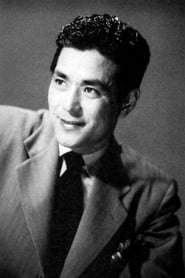
Jason Robards and Joseph Cotten are solid, but their roles feel thinner. Robards' General Short is defined mostly by his stubbornness, and while he sells it, I kept waiting for a moment that showed more layers. That never quite came. Tatsuya Mihashi, as the Japanese flight commander, has a fascinating intensity during the planning stages, but his character gets somewhat lost in the spectacle of the final act.
Character Psychology
The lead character, in a way, is the attack itself. But if you look at Admiral Yamamoto, his surface goal is to execute a perfect, decisive military strike. What he actually needs is to find a way out of a war he knows Japan cannot win. He's acutely self-aware, which makes him a tragic figure. He's a brilliant strategist forced to use his skills for a cause he believes is doomed.
On the American side, Admiral Kimmel wants to protect his fleet. What he needs is clear, actionable intelligence and the political support to act on it. He's trapped not by cowardice or incompetence, but by a system designed for peacetime. He doesn't change so much as he's broken by events.
They're both intelligent men failing to prevent a disaster.
Themes & Emotional Depth
At its core, the film is about the failure of communication. It's not just about coded messages, but about the gulf between intentions and understanding. A scene that embodies this is the long sequence where the final Japanese declaration of war is being decoded and typed up in Washington, while the attack is already underway. The delay isn't malice; it's the mundane reality of bureaucracy, with devastating consequences.
It's also a stark lesson in the dangers of institutional arrogance and assumption. The Americans aren't depicted as lazy, but as complacent. They assume they have time, they assume the Japanese wouldn't dare, they assume their defenses are adequate. The film shows how a series of reasonable, individual assumptions can add up to a collective catastrophe.
Memorable Scenes & Dialogue
The moment the first Japanese pilot radios 'Tora! Tora! Tora!'—signifying complete surprise—is chilling in its simplicity. It's not a triumphant yell; it's a crisp, professional report. That choice undercuts any sense of glory and turns it into a cold, successful military operation.
The destruction of the USS Arizona is handled with horrifying restraint. We see the bomb drop, a massive geyser of water, and then a cut to a wide shot of the ship listing, smoke pouring from it. The scale of the miniatures and the lack of dramatic music make it feel shockingly real and matter-of-fact.
A quieter moment that stayed with me: a Japanese diplomat, waiting to deliver the declaration of war, nervously practices his English pronunciation in a mirror. It's a small, humanizing detail that reminds you these are people, not faceless enemies, caught in a historical machine.
The Ending — Does It Deliver?
The ending is inevitable, and it earns that inevitability through every meticulous scene that came before. The attack sequence is the climax, and it doesn't try to surprise you with a twist. Instead, it delivers on the promised spectacle with a terrifying, procedural clarity.
What surprised me most was the feeling it left me with. It wasn't anger or patriotic fervor, but a hollow sense of waste. The final shots aren't of American resilience or Japanese triumph, but of smoldering wreckage and dazed survivors. The film ends on a note of profound loss, which feels like the only honest way to end this story.
What Works
The even-handed, non-sensational approach is the film's greatest strength. By showing both sides with respect and clarity, it turns a historical event into a compelling study of systemic failure. The attack sequence remains a masterpiece of practical effects and editing—it feels vast, chaotic, and real without relying on CGI. The performances, particularly Martin Balsam's weary Admiral Kimmel, ground the epic scale in human frustration. And the deliberate, patient pacing, while not for everyone, builds a unique and powerful kind of tension.
Honest Criticism
The film's clinical approach can also be its weakness. The characters are often more like chess pieces representing factions than fully fleshed-out people. I kept waiting for a more personal, emotional thread to latch onto, and it never really arrived. The sheer volume of characters and subplots—like the complicated tale of the radar sighting that was dismissed—can feel like a history lesson at times. The middle section, with all its diplomatic back-and-forth, does drag a bit on a first watch, though I appreciated it more later.
How It Compares
It's impossible not to compare it to Michael Bay's 'Pearl Harbor' (2001). Where Bay's film is a melodrama wrapped in CGI, 'Tora! Tora! Tora!' is a clinical docudrama. It wins hands-down on historical accuracy and tonal seriousness. It falls short, I'll admit, in creating emotional connections to individual characters—you won't get a sweeping romance here. Compared to other epic war films of its era, like 'The Longest Day,' it's less celebratory and more analytical. It's less about the triumph of the human spirit and more about the tragic mechanics of failure.
Legacy & Cultural Impact
The film was a box office disappointment in 1970, overshadowed by more traditional heroics. But its reputation has grown steadily over time. It won the Oscar for Best Visual Effects, which were groundbreaking for their use of large-scale miniatures and in-camera work. Critics at the time praised its even-handed approach, a rarity for a WWII film made so soon after the war. Today, it's regarded as perhaps the most accurate cinematic depiction of the Pearl Harbor attack, studied for its technical achievements and its sober historical perspective. It influenced later docudramas by proving you could build suspense even when the audience knows the outcome.
Behind the Scenes
The film was a co-production between American and Japanese studios, with Japanese director Toshio Masuda and Kinji Fukasaku heavily involved in the Japanese segments (though only Richard Fleischer gets the sole director credit). The production built full-scale replicas of sections of the Battleship Arizona and other vessels for the destruction scenes. Most of the Japanese planes used in the film were actually American AT-6 Texan trainers modified to look like Zeroes, because genuine Japanese aircraft were nearly impossible to find.
Who Should Watch It?
History buffs and viewers who appreciate meticulous, procedural filmmaking will find this utterly gripping. If you enjoy seeing how complex events unfold from multiple angles, this is a must-watch. Anyone looking for character-driven drama, heroic action, or a simple patriotic narrative should look elsewhere. It's a thinking person's war movie.
Final Verdict
Tora! Tora! Tora! is a unique and important war film that prioritizes understanding over adrenaline. It's not always an easy watch—its pace is deliberate and its tone is coolly analytical—but it's a profoundly effective one. The rating is justified by its unparalleled commitment to showing the 'how' and 'why' of a world-changing event. If you have any interest in history or in seeing a masterclass in large-scale practical filmmaking, you owe it to yourself to watch this. Its sober power hasn't dimmed a bit in over fifty years.
More details, ratings, and cast information on IMDb, TMDB, Wikipedia. Watch the official trailer on YouTube →