- 1Movie Overview
- 2Direction & Cinematography
- 3Cast & Performances
- 4Character Psychology
- 5Themes & Emotional Depth
- 6Memorable Scenes & Dialogue
- 7The Ending — Does It Deliver?
- 8What Works
- 9Honest Criticism
- 10How It Compares
- 11Legacy & Cultural Impact
- 12Behind the Scenes
- 13Who Should Watch It?
- 14Final Verdict
- Genre: Drama
- Director: Clint Bentley
- Year: 2025
- Runtime: 1h 42m
- Language: English (EN)
- TMDB Rating: ⭐ 7.3/10
Movie Overview
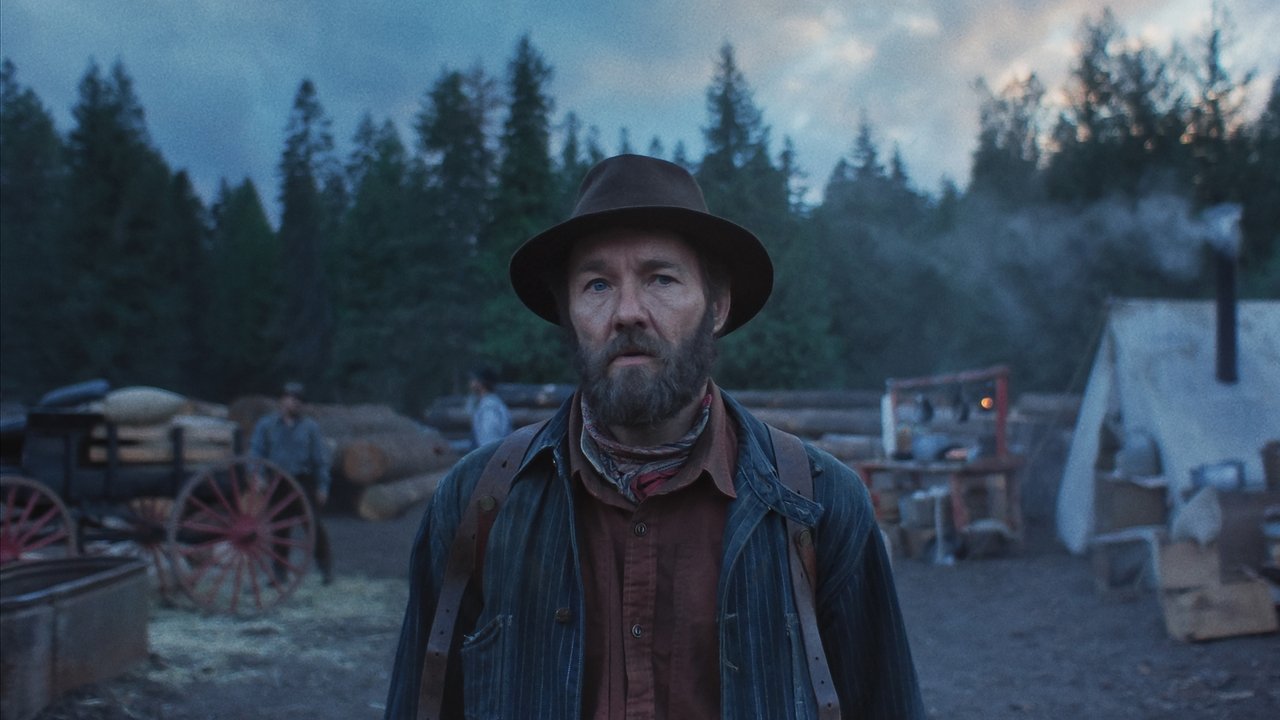
In Clint Bentley's 'Train Dreams,' we follow a logger named Robert (Joel Edgerton) who lives a life of solitude and grace in the early 20th century. He navigates the challenges of love and loss in a rapidly changing America. The film immerses us in Robert's world, where the forest is as much a character as he is, and the beauty of nature is juxtaposed against the harsh realities of life. The audience feels his isolation as he grapples with a burgeoning industrial era that threatens his way of life.
When Robert's love interest, a vibrant woman named Ruth (Felicity Jones), enters his life, hope flickers in his otherwise quiet existence. Their tender moments are beautifully portrayed, yet, tragedy strikes, leading to a profound loss that forces Robert to confront the fragility of happiness. The film thoughtfully explores how love can bloom and wither amid external chaos, aligning Robert's internal struggles with the evolving landscape around him.
What surprised me most was how Bentley integrates subtle details to enhance the emotional weight. For instance, a specific scene where Robert holds a wooden carving he made for Ruth lingers—his expression shifts from joy to sorrow in a heartbeat. The film is not just about the loss of a relationship; it's about the loss of innocence and the relentless passage of time that shapes us.
As Robert grapples with his grief, the conflict deepens, leading to moments of self-reflection that compel him to confront his own emotional limitations. The final act brings resolution yet leaves questions lingering about what it means to truly live in a world marked by change, showcasing the impact of history on individual lives without ever feeling oppressive.
Direction & Cinematography
Clint Bentley's direction in 'Train Dreams' reflects both the internal and external landscapes of his characters. One standout shot captures Robert amidst towering trees, the camera slowly pulling away to reveal the vastness surrounding him. This framing choice emphasizes his solitude and the enormity of the changing world. I noticed how Bentley often lingers on such shots, allowing the audience to absorb the beauty and isolation of Robert's existence.
The pacing fluctuates between quiet contemplation and more intense emotional moments, which keeps viewers engaged. There are long, meditative sequences where Robert interacts with the forest, highlighting the care with which he approaches his work and life. But just as you settle into the tranquility, a jarring event shakes him, and the tempo shifts, mirroring his internal turmoil. It’s a deliberate choice that enhances the emotional stakes.
What stayed with me after the credits was the film’s atmosphere. Bentley cultivates a tone that straddles nostalgia and melancholy, evoking a sense of longing without falling into sentimentality. The panoramic shots of the landscape, combined with intimate close-ups of the characters, create a balanced visual narrative that feels rich and immersive, drawing us into Robert's world.
Cast & Performances
Joel Edgerton delivers a layered performance as Robert, embodying the logger's quiet strength. His physical choices speak volumes; there's a moment where he cradles the wooden carving for Ruth with such tenderness that it conveys the depth of his feelings without needing dialogue. However, I’ll admit I didn’t expect the emotional weight to shift so dramatically when he experiences loss—his silent grief is palpable.
Felicity Jones's Ruth is a breath of fresh air amidst the film's somber tones. Jones infuses the character with warmth and light, especially in scenes where she shares simple joys with Robert, like when they dance in the woods. However, her character feels slightly underwritten, as some backstory that could have deepened her connection to Robert is hinted at but not fully explored. It bothered me slightly that her arc fades after tragedy strikes, leaving her vital presence to linger only in Robert’s memories.
Nathaniel Arcand and Clifton Collins Jr. provide strong supporting roles, notably in scenes where they interact with Robert, grounding his experiences in a larger community context. Arcand’s character offers a contrast to Robert’s isolation, representing the community that is also evolving. Collins Jr.'s portrayal of a neighboring logger serves as both a friend and a reminder of the importance of companionship in tough times. Their chemistry adds layers to Robert’s journey, even if they sometimes feel like background characters rather than integral parts of the narrative.
Character Psychology
Robert's surface desire is to maintain his solitary life and find love without disruption. Yet, beneath that simplicity, he longs for connection and understanding. He struggles with vulnerability, often shutting himself off to the world when hurt. He lacks self-awareness about how his emotional walls prevent him from truly connecting with others.
By the film's conclusion, Robert finds himself changed, facing the reality of his losses. He learns, albeit slowly, that true strength comes from embracing both joy and sorrow. However, his journey is marked by setbacks, leaving him in a state of quiet resignation rather than full self-acceptance.
Themes & Emotional Depth
'Train Dreams' delves into the theme of resilience in the face of change. The forest symbolizes nature’s permanence against the impermanence of human relationships, as Robert navigates love's transient beauty. One pivotal scene highlights this: Robert planting a tree in memory of Ruth symbolizes hope for future growth amid loss.
Moreover, the film examines the tension between progress and tradition. Robert’s interactions with the emerging industrial world reflect a broader commentary on how individuals find their place in a society that seems to move forward without them. This conflict resonates on a universal level, raising questions about identity and belonging in a rapidly evolving landscape.
Memorable Scenes & Dialogue
One standout moment occurs when Robert and Ruth share their first dance in the moonlight. The simplicity of the scene, combined with the soft glow of the moon, captures the innocence of their love. Bentley’s choice to hold the shot on their expressions highlights the magic of the moment, making it feel intimate and timeless.
Another powerful scene is when Robert carves the wooden figure for Ruth. The way Edgerton cradles it and the close-ups of his hands convey deep emotional investment. This moment becomes a visual representation of their bond and, later, his grief, elevating the impact of the loss.
Lastly, there's a poignant sequence where Robert stands at the edge of the forest, watching as trees are felled for a new railway. The noise contrasts starkly with the stillness of his world and serves as a visceral reminder of impending change, smartly pushing the narrative's themes of loss and acceptance forward.
The Ending — Does It Deliver?
The climax of 'Train Dreams' is both bittersweet and cathartic, as Robert confronts the ghosts of his past. The emotional tension built throughout is earned by the film’s careful pacing and character development. I was surprised by how Bentley wrapped up Robert’s arc in a way that felt true to life, avoiding any tidy resolutions.
The final shot leaves you with a profound sense of reflection, as Robert stands at the forest's edge, contemplating his place in the world. That moment, filled with uncertainty and yet a glimmer of hope, lingered with me long after the credits rolled, inviting contemplation about change, resilience, and the cyclical nature of life.
What Works
The relationship between Robert and Ruth is a highlight, especially in scenes like their moonlit dance, where the chemistry feels both genuine and evocative. Joel Edgerton's portrayal of Robert offers a nuanced exploration of masculinity, portraying vulnerability without losing strength. Additionally, Clint Bentley's direction shines in the way he captures the beauty of the natural landscape, integrating it as a character in its own right, which complements the emotional weight of Robert's journey.
Honest Criticism
The film falters slightly in its pacing during the middle act, where some scenes feel drawn out. The subplot surrounding Robert’s friendships with other loggers, particularly Nathaniel Arcand’s character, often detracts from the central narrative, making it feel less focused. It bothered me slightly that these moments, while aiming to build community, sometimes convolute Robert's emotional journey rather than enhance it.
How It Compares
Similar films like 'The Revenant' and 'Into the Wild' explore survival in nature but feel more action-driven. 'Train Dreams,' on the other hand, opts for a more introspective approach, focusing on emotional and psychological landscapes over physical ones. It wins in its intimate exploration of character and setting, but it sometimes feels slow, especially when compared to the high-stakes narratives of those other films.
Where it falls short, however, is in the development of its supporting characters, particularly Ruth, who, while pivotal, doesn't receive the depth she deserves. Unlike 'Into the Wild,' which gives its lead's motivations a clear focus, Robert’s desires can feel cloudy at times, leaving viewers longing for more clarity in his relationships.
Legacy & Cultural Impact
'Train Dreams' is poised to start conversations about the impact of industrialization on rural communities, a relevant theme that echoes through modern discussions on environmentalism and tradition. While it may not have broken box office records, its critical reception has been solid, with a TMDB rating of 7.3/10 indicating a positive audience response. This film adds to Clint Bentley's growing reputation for thoughtful cinema, following his previous works that often blend personal and historical narratives.
Behind the Scenes
Casting Joel Edgerton and Felicity Jones was a late decision, as original leads dropped out just weeks before filming began. Much of the dialogue, especially during Robert and Ruth's tender moments, was improvised to create a more intimate dynamic between the characters. The filming locations in the Pacific Northwest were chosen for their authentic representation of early 20th-century logger life, adding a layer of realism.
Who Should Watch It?
Viewers who appreciate slow-burn dramas that explore emotional landscapes and character depth will likely find much to love in 'Train Dreams.' However, those who prefer fast-paced narratives or clear-cut story arcs might find the film’s rhythm challenging to engage with, as it demands patience and reflection.
Final Verdict
'Train Dreams' offers a reflective take on love, loss, and the inevitability of change, anchored by strong performances from Edgerton and Jones. Its slower pacing may not cater to everyone's taste, but the emotional depth makes it worthwhile for those seeking nuanced storytelling. One compelling reason to watch is its rich portrayal of humanity's struggle within the vastness of nature.
More details, ratings, and cast information on IMDb, TMDB, Wikipedia. YouTube