- 1Movie Overview
- 2Direction & Cinematography
- 3Cast & Performances
- 4Character Psychology
- 5Themes & Emotional Depth
- 6Memorable Scenes & Dialogue
- 7The Ending — Does It Deliver?
- 8What Works
- 9Honest Criticism
- 10How It Compares
- 11Legacy & Cultural Impact
- 12Behind the Scenes
- 13Who Should Watch It?
- 14Final Verdict
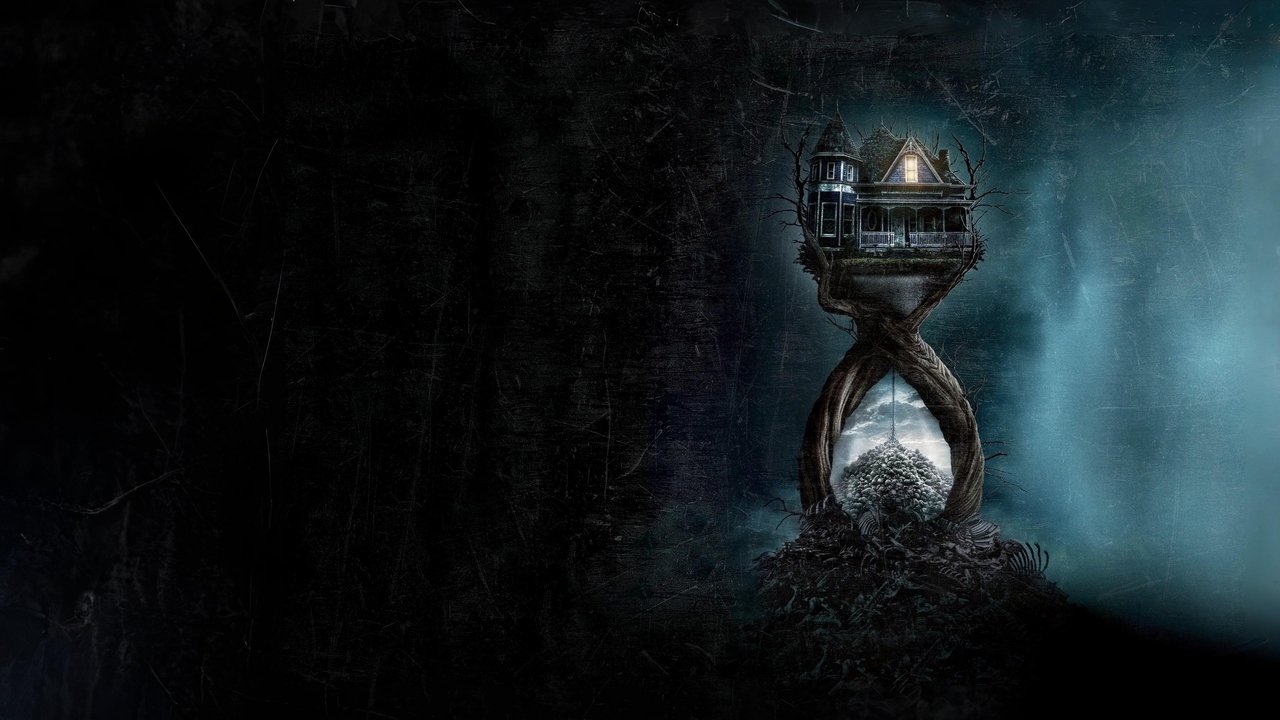
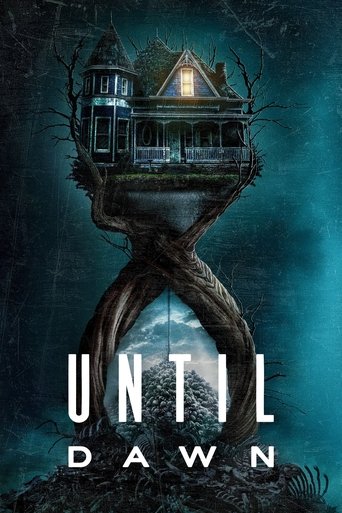
- Genre: Horror, Mystery
- Director: David F. Sandberg
- Year: 2025
- Runtime: 1h 43m
- Language: English (EN)
- TMDB Rating: ⭐ 6.3/10
Movie Overview
Until Dawn opens on a haunting note as Clover (Ella Rubin) and her friends decide to explore a remote valley where her sister Melanie disappeared the previous year. The film quickly establishes a tense atmosphere when they stumble upon an abandoned visitor center. As they investigate, they soon realize they're not alone. A masked killer lurks in the shadows, setting off a series of gruesome murders that send the narrative spiraling into chaos. Personally, I think the tight pacing and eerie ambiance kickstart a pulse-pounding experience right from the beginning.
However, the real twist comes when Clover and her friends find themselves mysteriously reset to the start of the evening after each brutal encounter. What surprised me most was how the film plays with the horror genre’s expectations, forcing the characters to confront their fears repeatedly in an effort to survive. Each reset not only escalates the stakes but also allows Clover to uncover deeper truths about her sister’s disappearance and her own hidden fears.
The emotional arc dives into Clover's struggle with guilt and responsibility. As the film progresses, they are forced to face not only the external terror of the killer but also the internal demons that have haunted them since Melanie's disappearance. This layered character study amid the horror is what sets the film apart, particularly in how it examines friendship under duress.
By the end of it, Clover's journey becomes not just one of survival but of self-discovery. You can't help but feel for her as she unravels the mystery of her past while contending with the present horror unfolding around her. Until Dawn manages to keep you guessing and invested in the characters, though there are points where it stumbles in delivering its chilling narrative.
Direction & Cinematography
Directed by David F. Sandberg, Until Dawn showcases his knack for building tension, evident in the opening sequence which lingers on Clover's flashbacks to the night her sister disappeared. The eerie camera angles accentuate the isolation of the setting, capturing the dilapidated visitor center that serves as a character in its own right. I noticed how Sandberg utilizes natural lighting to enhance the film's foreboding atmosphere, especially during scenes when shadows seem to move independently.
But the pacing falters slightly during the middle act when Clover's friends get less development, leading to moments where their fates feel less impactful. There’s a successful attempt to shift the tone from sheer terror to introspection as the characters begin to question their past decisions, yet it occasionally drags out the tension rather than building it. The transitions between horror and character moments could have been sharper.
The direction shines during scenes where Clover faces her fears. The camera closely follows her frantic movements, immersing the audience in her panic as she tries to escape the killer. This decision makes the stakes feel immediate. What stayed with me after the credits was how Sandberg managed to blend horror with a compelling story of loss and redemption, even if some moments felt slightly overextended.
Cast & Performances
Ella Rubin carries the film with a heartfelt performance as Clover. Her expressions convey a mix of fear and determination that grounds the horror elements. In one pivotal scene, she breaks down after uncovering a disturbing secret about her sister’s last night, and the rawness of her emotions is palpable. However, I wasn't expecting some of her friends to feel more like cliché horror tropes than fully realized characters.
Michael Cimino as Kyle brings a mix of charm and bravado to his role, playing Clover's supportive friend. His physical choices, like hesitating before rushing into danger, signal a deeper awareness of their grim situation, adding layers to his character. Still, his character arc feels rushed, particularly in how he meets his end, which left me wanting more time to connect with him.
Belmont Cameli, portraying the witty yet reckless Jake, injects comic relief but often feels underused. When he delivers one of his classic one-liners before a tense moment, it didn’t land for me as intended. The comedic timing felt misplaced amidst the film's darker undertones, leaving me wishing for a stronger balance between humor and horror.
Character Psychology
Clover wants answers about her sister's disappearance on the surface, desperately seeking closure while still feeling the weight of guilt. But what she truly needs is to confront her own fears and insecurities, recognizing that the past doesn’t define her. In the time loop, she repeatedly faces her demons, and while she shows growth in her resolve, her self-awareness feels inconsistent throughout the film.
By the climax, Clover's journey embodies the struggle between acceptance and denial of her sister's fate. Ultimately, she realizes that only by understanding her sister's choices can she find peace within herself. Still, I found myself questioning whether her growth was wholly satisfying by the end, as some character arcs remained unresolved.
Themes & Emotional Depth
At its core, Until Dawn explores the complexities of grief and accountability. The characters are haunted not just by a killer, but by their own unresolved issues. One standout moment is when Clover confronts a harsh truth about her sister, a revelation that highlights how the film connects personal pain with external terror, emphasizing that true horror often lies within.
Additionally, the film touches upon the idea of friendship tested under extreme circumstances. The way Clover’s relationships shift throughout the night reveals how fear can fracture trust and bring out the worst in people, demonstrating that sometimes, survival means making harrowing choices against those you care about.
Memorable Scenes & Dialogue
One standout scene occurs when the group first splits up to explore the center. The tension is palpable as the camera tracks Clover, who hears noises that hint at danger. The choice to emphasize silence was masterful — it builds anxiety effectively and makes the jump scares that follow feel earned rather than predictable.
Another memorable moment is when Clover discovers a hidden room filled with photographs of her sister. The stark contrast between the dark setting and the bright images amplifies the emotional weight of the scene. Rubin’s reaction as she sifts through the images is raw, and it works because it grounds the horror in reality; this isn’t just fiction but a visceral connection to her sister’s fate.
Finally, the climactic confrontation with the killer is intense, with tight camera angles that heighten the sense of claustrophobia. The stakes feel acute as Clover is forced to confront the embodiment of her fears, making the emotional payoff resonate because it encapsulates her entire journey.
The Ending — Does It Deliver?
The final moments of Until Dawn deliver a mixed bag of emotions. While I appreciated the unexpected twist regarding Melanie’s disappearance, it felt rushed, almost like a last-minute decision that didn’t build organically from earlier revelations. Yet, the confrontation between Clover and the killer leaves a bittersweet taste, as it encapsulates her journey of self-acceptance.
What lingered with me after the credits was a sense of unresolved tension. The film ends on a note of ambiguity, which might frustrate some viewers, but for me, it underscored the themes of uncertainty that ran throughout. Clover’s realization rings true: sometimes the ghosts of our past don’t vanish, even when we face them head-on.
What Works
The cinematography effectively builds tension, especially during the early explorations of the visitor center, where shadows play tricks on the audience's perception. Ella Rubin's performance is the heart of the film; her emotional depth adds layers to Clover's journey. The unique time loop concept keeps the narrative fresh, allowing for character growth amid the horror. The haunting soundtrack also elevates the atmosphere, intensifying the sense of dread as the film progresses.
Honest Criticism
However, some supporting characters feel underdeveloped; Maia Mitchell’s character, for instance, is introduced with a promising backstory but fades into the background too quickly. The middle act drags when it shifts too much focus away from Clover to explore less interesting subplots. It bothered me slightly that certain character deaths felt more like plot devices than meaningful moments that resonated emotionally.
How It Compares
If you’re drawn to similar films, Until Dawn has elements reminiscent of 'Happy Death Day' and 'Scream'. It excels in its unique twist on the time loop concept, which adds another layer of complexity to the usual slasher formula. However, unlike 'Happy Death Day', it struggles to balance tension and humor, veering too far into cliché territory with some supporting characters. Where it outshines ‘Scream’ is in its character development, although it lacks the sharp satirical edge that made ‘Scream’ a genre-defining classic.
Legacy & Cultural Impact
Currently, Until Dawn holds a 6.3/10 rating on TMDB, which indicates a mixed reception. Its box office performance is still pending, but early chatter suggests it may spark conversations about fresh variations on familiar horror tropes. It’s an important step for Sandberg, known for his work on 'Shazam!', to branch into horror, showing versatility that may influence future projects in the genre and beyond.
Behind the Scenes
David F. Sandberg faced a tight shooting schedule that forced the crew to shoot scenes with limited daylight, resulting in some creative solutions to lighting challenges. Ella Rubin was not the original choice for Clover; a last-minute casting change occurred after the initial actress fell through. The ending was originally written to provide a clearer resolution, but Sandberg opted for ambiguity to align with the film’s themes of uncertainty and grief.
Who Should Watch It?
Fans of horror who appreciate creative twists on familiar tropes will likely enjoy Until Dawn. However, those who prefer straightforward slasher narratives might find themselves frustrated by the film's pacing and character inconsistencies. It's a mixed bag, and not everyone will connect with its ambitious blend of horror and deeper emotional themes.
Final Verdict
Until Dawn offers a fresh take on the classic slasher trope infused with time-loop elements that make for a curious watch. While some character development feels lacking, the film’s emotional beats and innovative storytelling set it apart from its peers. I’d recommend it for viewers willing to engage with its complex themes, but if you're looking for a traditional horror experience without the introspection, you might want to skip it.
More details, ratings, and cast information on IMDb, TMDB, Wikipedia. YouTube