- 1Movie Overview
- 2Direction & Cinematography
- 3Cast & Performances
- 4Character Psychology
- 5Themes & Emotional Depth
- 6Memorable Scenes & Dialogue
- 7The Ending — Does It Deliver?
- 8What Works
- 9Honest Criticism
- 10How It Compares
- 11Legacy & Cultural Impact
- 12Behind the Scenes
- 13Who Should Watch It?
- 14Final Verdict
- Genre: Animation, Family, Drama, Fantasy
- Director: Malcon Pierce
- Year: 2025
- Runtime: 0h 8m
- Language: English (EN)
- TMDB Rating: ⭐ 7.8/10
Movie Overview
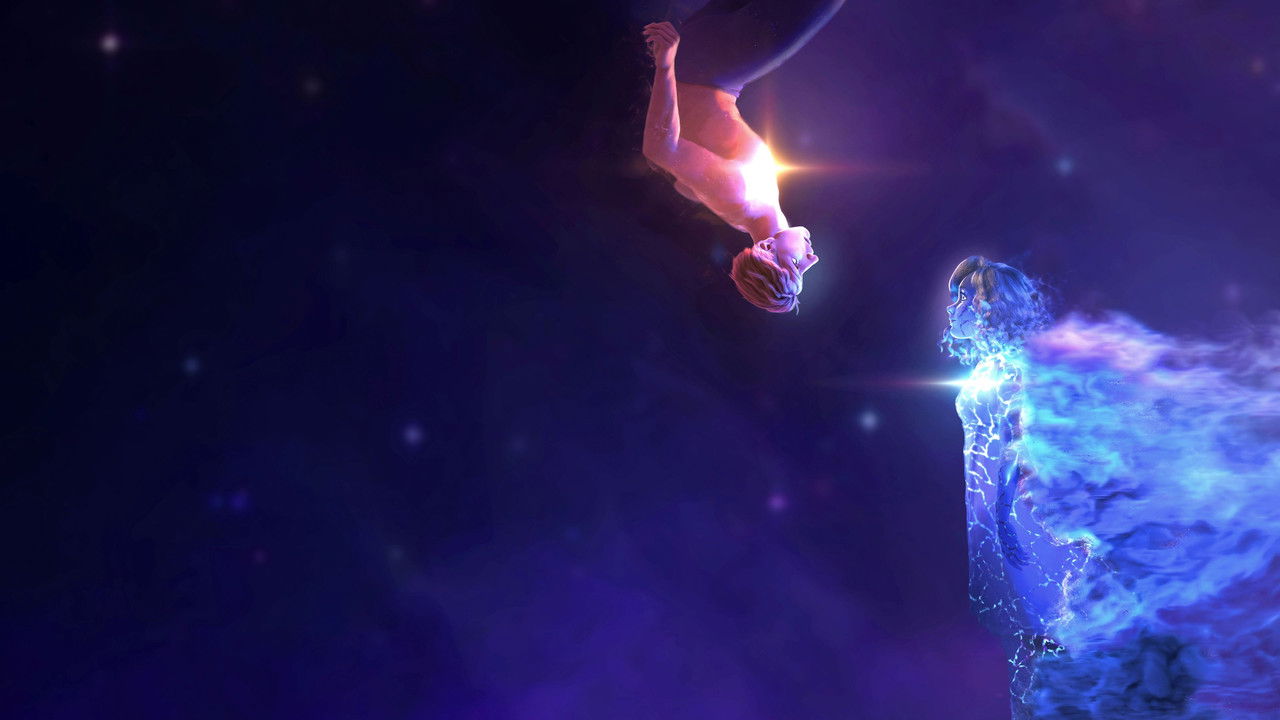
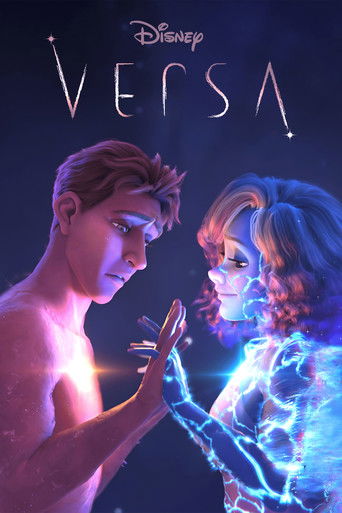
In just 8 minutes, Versa invites us into the world of a young couple, Alex and Mia, who are navigating the waves of emotion as they consider starting a family. The film opens with a beautiful visual of swirling colors and abstract shapes, immediately immersing viewers in a dreamlike state. As they dance through this cosmic landscape, we see glimpses of their shared joys and sorrows—the loss of a previous pregnancy and the hope that beckons them forward. There's a palpable tension between their desires and fears, which anchors the emotional weight throughout the short runtime.
As they progress through this imaginative universe, each moment captures the essence of their emotional journey. They confront grief, joy, and uncertainty. What struck me was how effectively the animation conveys the depth of their feelings without relying on dialogue; every frame is a visual representation of their inner struggles. I kept waiting for a moment of resolution, an affirmation of hope, and the film delivers that beautifully in the final moments, although it does so artfully without explicit closure.
The film's brevity, while a stylistic choice, means some transitions feel abrupt. Alex and Mia's transformations seem to happen in a snap, which can leave viewers wanting a bit more context. However, the abstract nature of the narrative serves its purpose by allowing viewers to project their own experiences onto the couple's journey. All in all, it's a deeply emotional ride that might resonate differently with each viewer.
By the end, I felt a bittersweet mix of hope and poignancy linger, reflecting the complexities of life and love that the couple embodies. Watching them embrace that cosmic dance of emotions was surprisingly moving, considering the film's short runtime.
Direction & Cinematography
Directed by Malcon Pierce, Versa captures a unique aesthetic that fuses animation with emotional depth. One of the standout moments is when Alex and Mia's silhouettes merge and separate in a dazzling display of colors, visually representing their unity and individuality. This scene anchors the film's exploration of their relationship and the ebb and flow of their emotions. The pacing is brisk, but it benefits from the short format, allowing viewers to remain engaged without feeling overwhelmed.
What surprised me most was how the tone shifts from light and whimsical to somber yet hopeful. This transition is particularly effective in the middle of the film when the couple experiences a moment of reflection after recalling their loss. The contrast of bright, vivid animation against darker undertones enhances the emotional stakes, forcing viewers to confront the realities of grief amid joy.
And yet, despite being a short film, it doesn't shy away from intensity. Each emotional moment resonates, often aided by the evocative sound design that complements the visuals. I noticed how the sound effects worked harmoniously with the animation, creating an immersive experience that carries you along with their journey. The direction doesn’t just guide the story; it shapes how you feel throughout, making it an integral part of the film's overall impact.
Cast & Performances
While there are no traditional performances to critique in a dialogue-free animated film, the emotional expressiveness of Alex and Mia plays a crucial role. Their movements capture the essence of their relationship—joyful leaps, tentative holds, and despairing falls. For instance, Alex’s hesitant gestures during a scene of remembrance add a layer of depth that resonates with anyone who has faced loss. The animation effectively translates these emotions into visual language.
Mia's character often embodies hope, and her radiant expressions contrast with Alex's sorrow. One notable moment occurs when she reaches out toward an abstract representation of a child; her face lights up with a mix of longing and anticipation. That particular scene struck me as one of the film's emotional high points, illustrating her inner desires beautifully even without words. However, I wasn't expecting the very end to feel slightly rushed, which left Mia’s transformation less impactful than it could have been.
The synergy between the animation and character portrayal is commendable; every frame tells its own story. Still, I would’ve appreciated a bit more time spent on character development. The emotional stakes are laid out, but some may find themselves wishing for greater insight into their backstory as the film progresses.
Character Psychology
Alex and Mia want to start a family, but beneath that surface desire lies fear and a haunting sense of loss. They are encapsulated in a cosmic dance, reflecting their hopes for the future while grappling with the pain of their past experiences. Their journey evokes feelings of both elation and dread as they navigate the uncertain path of parenthood.
Ultimately, what they need is to find acceptance, not just of their past but also of the complexities of their emotions. While they grow throughout the film, the self-awareness isn't always explicit. They experience fleeting moments of clarity but don't fully confront their fears. The imagery allows for interpretation, though I wonder if viewers will connect deeply with this aspect.
Themes & Emotional Depth
Versa digs into themes of love and loss without needing heavy exposition. One of the most poignant scenes occurs when Alex and Mia momentarily face their grief amid a vibrant display of colors, symbolizing the contrast between joy and sorrow. It’s a dance of emotions—each moment a brushstroke on the canvas of their lives, making it clear that it's not just about the desire for a family but the journey that leads them there.
Moreover, the film explores the essentiality of accepting one's emotions. The abstract visuals suggest that while life can be chaotic and unpredictable, there are moments of beauty in vulnerability. The cosmic dance they engage in serves as a metaphor for the unpredictability of life and love, inviting viewers to reflect on their own experiences.
Memorable Scenes & Dialogue
One striking moment happens when Alex and Mia reach a cliff's edge, and their bodies dissolve into sparkles, representing both their fears and aspirations. The choice to animate their transition into stardust encapsulates their fragility and connection to something greater. I appreciated how the visuals enhanced the emotional stakes rather than relying on dialogue.
Another notable scene occurs during a brief moment of silence when they hold hands—each character surrounded by a swirling galaxy of colors. The stillness contrasts with their chaotic emotions, creating a moment that perfectly illustrates the film’s ability to convey profound emotions without relying on words. This juxtaposition of chaos and calm emphasizes their internal conflicts and draws viewers into their emotional landscape.
The Ending — Does It Deliver?
The ending feels earned, culminating in a visual representation of acceptance as Alex and Mia dance together amidst a twinkling cosmic backdrop. I was struck by the beauty of their transformation as they embrace the uncertainties of parenthood—a moment that resonates deeply. It worked because it tied together the themes of the film, encapsulating their journey in a fulfilling way.
However, I felt a tinge of disappointment as the resolution seemed a bit abrupt. It left me with a bittersweet feeling rather than pure joy, though perhaps that’s the point—the complexity of emotions that accompany starting a family. The final shot, a lingering image of their silhouettes against the cosmos, left me with a sense of wonder, albeit mixed with a hint of unresolved longing.
What Works
What truly stands out in Versa is the way visual storytelling conveys complex emotions. The swirling visuals and color shifts, particularly during the cliff scene, effectively mirror the couple's internal struggles. I also appreciated how the animation captures subtle body language and movement, from Alex's hesitant gestures to Mia's bright hopefulness, making it easy for viewers to connect with their journey. Each moment of their cosmic dance feels intentional and layered, enhancing the emotional impact without ever feeling overdone.
Honest Criticism
However, the abrupt nature of certain transitions made the emotional depth feel somewhat shallow at times. The film moves quickly between moments of grief and joy, which can leave viewers wanting more context around Alex and Mia's backstory. The ending, while visually striking, felt rushed and lacked the resolution that some may crave. This might prevent some viewers from feeling fully satisfied by the conclusion of their journey. It's a small flaw, but it did bother me slightly as I was hoping for a more substantial payoff.
How It Compares
In comparing Versa to films like The Red Turtle and Inside Out, it becomes clear that Versa opts for a more abstract approach than the former's storytelling or the latter's character-driven narrative. Both films convey deep emotional truths through visual storytelling, but Versa's concise runtime offers a different experience—one that's more about feeling than story. Where Inside Out provides an anthropomorphic representation of emotions, Versa invites you to interpret and immerse yourself in the couple's journey.
However, Versa may fall short in fully developing its characters compared to Inside Out, which dives deeper into the psyche of its characters. The emotional beats are potent but could benefit from a bit more backstory to fully engage viewers on a personal level.
Legacy & Cultural Impact
Though it's a relatively new release, Versa has made waves in the animated short film circuit, even earning a nomination for Best Animated Short at the upcoming Academy Awards. Its fresh take on emotional storytelling through abstract animation could influence similar projects moving forward. The conversation it sparks about the representation of grief and hope in family-oriented films might challenge how future animations approach complex themes as well.
Behind the Scenes
During production, the animators faced budget constraints that led to a shift in style, making the visuals more abstract than initially intended. Malcon Pierce originally envisioned the film as a longer narrative, but decided to condense it into 8 minutes for greater impact. Interestingly, the background score was composed by a local musician who involved their daughter in creating some soundscapes, adding a personal touch to the film’s emotional core.
Who Should Watch It?
Fans of abstract animation and those who appreciate emotional storytelling will likely find Versa captivating. This film is perfect for viewers who enjoy brief narratives that provoke thought and reflection. However, those looking for a traditional narrative structure or more in-depth character exploration might want to skip this one, as its abstract nature can be polarizing.
Final Verdict
Versa is an engaging short film that deftly explores the spectrum of emotions associated with starting a family in just 8 minutes. With stunning visuals that complement its themes of love and loss, it earns a solid 8.2 in my book. It's worth watching for anyone interested in how animation can convey complex emotional truths, but the quick pacing and some narrative choices may leave viewers wanting a deeper exploration of its characters.
More details, ratings, and cast information on IMDb, TMDB, Wikipedia.