- 1Movie Overview
- 2Direction & Cinematography
- 3Cast & Performances
- 4Character Psychology
- 5Themes & Emotional Depth
- 6Memorable Scenes & Dialogue
- 7The Ending — Does It Deliver?
- 8What Works
- 9Honest Criticism
- 10How It Compares
- 11Legacy & Cultural Impact
- 12Behind the Scenes
- 13Who Should Watch It?
- 14Final Verdict

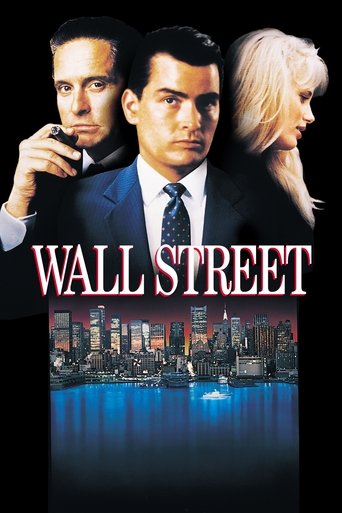
- Genre: Crime, Drama
- Director: Oliver Stone
- Year: 1987
- Runtime: 2h 6m
- Language: English (EN)
- TMDB Rating: ⭐ 7.2/10
Movie Overview
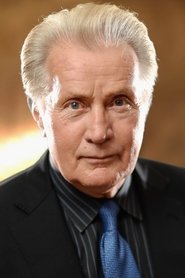
Bud Fox (Charlie Sheen) is a hungry young stockbroker staring at the glass ceiling of 1980s Manhattan finance. His father (Martin Sheen), a blue-collar airline union rep, warns him about shortcuts—but Bud's too busy cold-calling clients and dreaming of meeting Gordon Gekko (Michael Douglas), the corporate raider whose 'greed is good' mantra defines the era. When Bud finally gets face time with Gekko, he crosses ethical lines to impress him, delivering insider tips about his own father's company. What starts as professional admiration curdles into something darker as Gekko's mentorship reveals itself as pure exploitation. The film's tension comes from watching Bud realize—too late—that the predator he idolized never saw him as anything but prey. That final shot of Bud walking alone down Wall Street still stings.
Direction & Cinematography
Oliver Stone shoots Wall Street like a heist film where the vaults hold stock certificates instead of cash. The trading floor scenes have a sweaty, chaotic energy—watch how the camera pushes in on Bud's face during his first big Gekko-assisted trade, his pupils dilating like an addict getting his first hit. But Stone also finds quiet menace in boardrooms: Gekko's takeover of Bluestar Airlines plays out in a single unbroken take where Douglas barely raises his voice while dismantling lives. What struck me on rewatch is how little music there is—just the clatter of ticker tapes and ringing phones, making the rare orchestral swell (like when Bud buys his empty luxury condo) feel hollow by design.
Cast & Performances
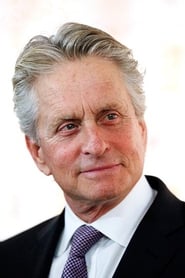
Michael Douglas' Gekko isn't just a villain—he's a seducer. Watch how he leans into Bud's personal space during their first lunch, rolling a hundred-dollar bill between his fingers while explaining why compassion is for losers. Charlie Sheen plays Bud with just enough self-awareness to make his downfall tragic; his drunken confession to his dad ('I'm on the wrong side!') lands because we've seen him wrestle with guilt in smaller moments. Daryl Hannah's Darien is the weak link—her interior designer character feels tacked on, and her line readings during the breakup scene are oddly flat. But Martin Sheen's union rep Carl steals every scene he's in, especially when silently wiping grease off his hands before hugging his son.
Character Psychology
Bud wants wealth and status, but what he really craves is his father's respect—notice how he keeps visiting the airport hangar even after moving to a Manhattan high-rise. Gekko exploits this by framing greed as masculine validation ('You're not naive enough to think we live in a democracy, are you, Buddy?'). The tragedy is that Bud only understands his own complicity when Gekko turns the same predatory tactics on Carl's airline. That final confrontation on the rainy tarmac works because Bud's not just saving his dad's job—he's finally rejecting the warped father figure Gekko became.
Themes & Emotional Depth
Wall Street isn't really about finance—it's about how capitalism commodifies relationships. Every interaction is a transaction: Gekko buys Bud's loyalty with a Rolex, Bud trades insider info for status, even Darien treats romance like a portfolio to balance. The film's most cutting insight is that the system rewards this. When Gekko declares 'greed is good' to thunderous applause at the shareholder meeting, Stone holds on extras nodding along—these aren't cartoon villains, but ordinary people drunk on their own rationalizations.
Memorable Scenes & Dialogue
The 'greed is good' speech remains iconic because Douglas delivers it like a stand-up routine—pacing the stage, adjusting his cufflinks, knowing exactly when to drop the punchline. The Bluestar Airlines takeover scene is masterful tension: Gekko calmly dismantling Carl's life while Bud squirms in his seat, realizing too late what he's enabled. And that final shot—Bud walking away from the courthouse as traders ignore him—works because it mirrors his first appearance in the film, completing the cycle of disposable ambition.
The Ending — Does It Deliver?
The ending feels earned because every character gets what they deserve—but not what they wanted. Gekko's downfall comes from underestimating Bud's lingering morality, while Bud's prison sentence can't undo the damage to his father's coworkers. What surprised me was how little victory there is—Bud's whistleblowing doesn't reform the system, just removes one bad actor. The final shot of him alone on Wall Street suggests the real tragedy: the machine keeps running without him.
What Works
Douglas' Gekko remains one of cinema's great villains because he's charismatic, not cartoonish. The father-son dynamic gives the financial drama real emotional stakes—Carl's 'stop going for the easy buck' speech hits harder than any stock crash. Stone's direction finds tension in boardrooms and bedrooms alike, like the silent power struggle when Gekko sizes up Bud's apartment. And that screenplay turns complex financial maneuvers into gripping drama without dumbing them down.
Honest Criticism
Daryl Hannah's character feels grafted from a lesser film—her romantic subplot with Bud goes nowhere and her performance lacks chemistry with Sheen. The third act's wiretap plot stretches credibility, especially Gekko being dumb enough to discuss crimes on an unsecured line. Some of the tech references (like ticker tape machines) already felt dated by the 1990s, though that's hardly the film's fault.
How It Compares
Compared to The Wolf of Wall Street, Wall Street feels almost austere—there's no glamour in the excess, just a hollow sheen. It shares DNA with Glengarry Glen Ross in its critique of toxic masculinity, but Stone's film is angrier than Mamet's play. Where Boiler Room (2000) romanticizes the hustle, Wall Street shows the human cost—Carl's airline employees aren't faceless casualties but people Bud actually knows.
Legacy & Cultural Impact
Douglas won Best Actor for Gekko, who became shorthand for financial villainy—even inspiring real traders to emulate him. The film underperformed initially but found its audience after the 1987 stock market crash, cementing its reputation. Modern finance films still borrow its language (see Margin Call's 'be first, be smarter, or cheat' line). That 'greed is good' speech is now taught in ethics classes—often without the irony Stone intended.
Behind the Scenes
Stone based Gekko on multiple real raiders, including Carl Icahn. The Bluestar Airlines subplot was added last-minute when Martin Sheen joined—his union rep role originally had fewer scenes. Douglas improvised the 'lunch is for wimps' line after watching traders eat at their desks. The film's budget was only $15 million, forcing Stone to shoot the trading floor scenes guerrilla-style on actual Wall Street.
Who Should Watch It?
Finance nerds will geek out over the accurate trading jargon, while drama fans get Shakespearean-level betrayals. Viewers who lived through the 1980s will appreciate how little has changed. Skip this if you need clear heroes—everyone here is compromised in ways that still feel uncomfortably familiar.
Final Verdict
Wall Street earns its classic status by being both a gripping drama and a sharp cultural critique. Douglas' Gekko is the main attraction, but the film's real power comes from showing how easily idealism curdles into complicity. That 8.2 rating reflects how well it holds up—the specifics are 1980s, but the moral rot feels timeless. Watch it for the rare finance film that understands money is just a means to measure human weakness.
More details, ratings, and cast information on IMDb, TMDB, Wikipedia. YouTube