- 1Movie Overview
- 2Direction & Cinematography
- 3Cast & Performances
- 4Character Psychology
- 5Themes & Emotional Depth
- 6Memorable Scenes & Dialogue
- 7The Ending — Does It Deliver?
- 8What Works
- 9Honest Criticism
- 10How It Compares
- 11Legacy & Cultural Impact
- 12Behind the Scenes
- 13Who Should Watch It?
- 14Final Verdict

- Genre: Fantasy, Adventure, Romance
- Director: Jon M. Chu
- Year: 2025
- Runtime: 2h 17m
- Language: English (EN)
- TMDB Rating: ⭐ 6.6/10
Movie Overview
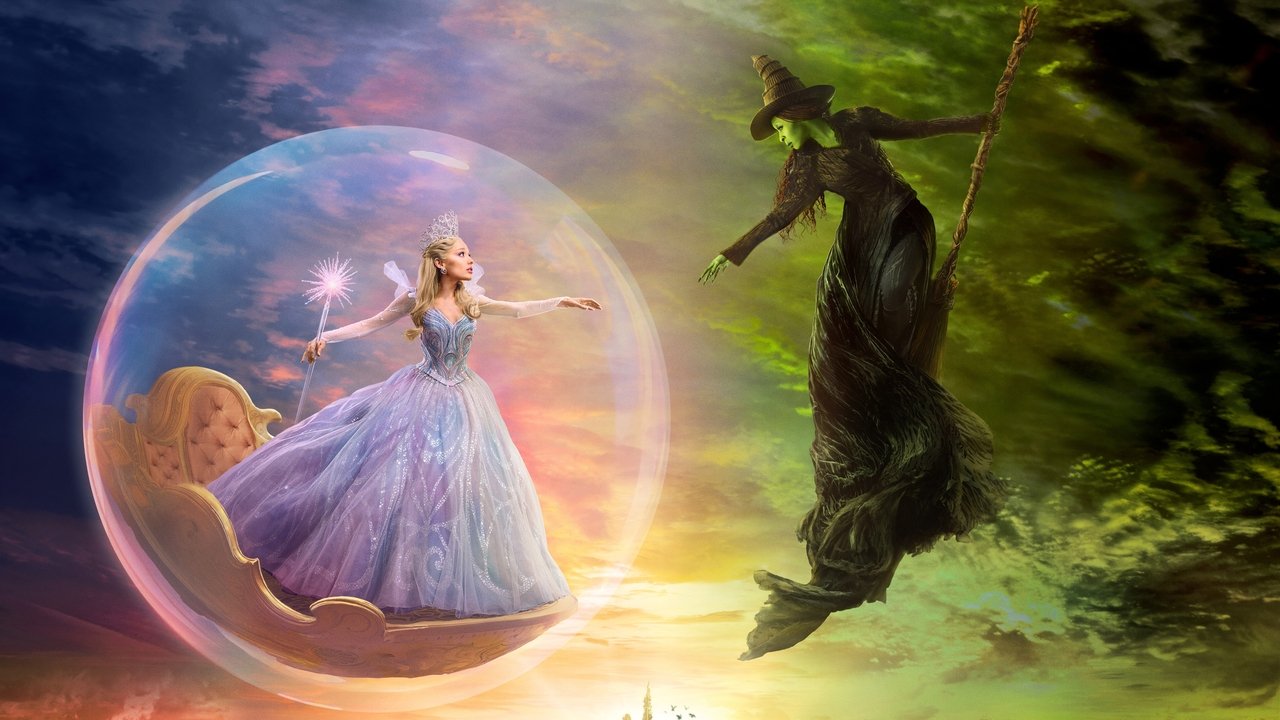
Wicked: For Good pulls us back into the enchanting yet treacherous land of Oz, where the fraught relationship between Glinda and Elphaba reaches a boiling point. With an angry mob rising against Elphaba, Glinda feels torn between her loyalty and her own ambitions. The setup is compelling, especially for fans of the original musical, who may expect grand musical numbers paired with emotional stakes. However, the real conflict arises not just from external threats but from the internal struggles both women face, which are illuminated through their dialogue and interactions.
The emotional arc is particularly strong, with both characters needing to confront their past decisions and the true nature of their friendship. Elphaba, portrayed powerfully by Cynthia Erivo, grapples with her identity as the Wicked Witch, while Glinda, played by Ariana Grande, must decide if she can truly accept her friend without judgment. It's this dynamic that keeps the film engaging, as we can see their growth — or lack thereof — reflected in their increasingly complicated choices.
However, the pacing feels uneven at times. Early on, we get a rush of exposition that borders on overwhelming, while later scenes drag as the film delves into melodrama. I kept waiting for a more thrilling confrontation between the characters and the mob, but it never quite comes, which left me slightly disappointed. Instead, the climax feels more like a resolution of their friendship than a resolution of the external conflict.
Ultimately, I found myself curious about how the film would resolve these tensions. What stayed with me after the credits rolled was a sense that while the music and visuals might be stunning, the narrative itself felt like it could have taken bolder risks, especially given the stakes involved. To say the least, fans of the original musical might have mixed feelings here.
Direction & Cinematography
Jon M. Chu, known for his vibrant storytelling in films like Crazy Rich Asians, infuses Wicked: For Good with a sense of grandeur that feels essential for this world. One shot that particularly struck me is the sweeping aerial view of the Emerald City (around the 45-minute mark), showcasing stunning production design that almost feels like a character in itself. This moment captures the surreal beauty of Oz while underscoring its underlying dangers, setting the tone beautifully for the chaos that follows.
The pacing, however, fluctuates dramatically. Early sequences leap from one musical number to another, almost frantic in their enthusiasm, but as the narrative deepens, the flow grinds to a halt. I noticed that the tonal shifts become jarring, moving from upbeat musical moments to somber reflections that sometimes feel unearned. The direction certainly tries to balance spectacle with character development, but it often leans too heavily on the former.
What surprised me most was how Chu utilizes low-key moments to reveal character depth. A quiet scene in the final act, where Elphaba and Glinda sit together under the stars, captures a raw vulnerability that the flashier musical numbers often overshadow. Those moments remind us that beneath the grandiose, there’s an intimate story longing to be told — if only it didn’t get lost in the shuffle of spectacle.
Cast & Performances
Cynthia Erivo delivers a compelling portrayal of Elphaba, infusing her character with a fierce determination that often shines through in her physicality. In a scene where she confronts her own fears, her stance and facial expressions reveal layers of vulnerability, making her inner turmoil palpable. However, at times, her intensity borders on melodramatic, which can overshadow quieter moments that would benefit from subtlety.
Ariana Grande as Glinda brings a charm that's hard to ignore. Her musical numbers are executed with energy, but what surprised me was her understated performance in quieter moments, especially when she realizes the depth of her friendship with Elphaba in the second act. There’s a delightful nuance in her line readings during these scenes, but on occasion, her comedic timing falls flat, leaving some of her punchlines feeling forced.
Jeff Goldblum's turn as the Wizard is memorable for his quirky charm, but I’ll admit I didn’t expect him to be given such little material to work with. His character appears more as a plot device than a fully realized character, and that disappointed me slightly. When he does appear, his performance is engaging, especially in dramatic confrontations, but I kept waiting for more depth that never comes.
Character Psychology
Elphaba desperately wants acceptance but feels suffocated by her identity as the Wicked Witch. She’s self-aware enough to understand that her actions will have consequences, yet she often chooses to act out of anger rather than seeking true connection. Her journey is about transformation, but it’s unclear whether she truly changes or simply reaffirms her choices by the film’s end.
Glinda, on the other hand, wants to be seen as more than just a pretty face; she craves validation beyond superficial measures. What’s poignant is her gradual realization that friendship means more than popularity, but her journey also feels incomplete. In the end, I left feeling conflicted about whether either character had genuinely grown.
Themes & Emotional Depth
At its core, Wicked: For Good wrestles with the complexities of friendship, especially when social pressures and external conflicts threaten to tear people apart. During a pivotal moment in the film, when Glinda chooses to stand by Elphaba despite the mob, it highlights how true loyalty often requires sacrifice. Yet, it’s also about the limits of empathy; they can only connect if each makes an effort to understand the other beyond their preconceived notions.
Moreover, the film touches on the theme of identity. Elphaba’s struggle with being labeled ‘wicked’ is symbolic of broader societal judgments we all face. In a scene where she sings about her choices, it becomes clear that her journey is not just about battling external foes but also fighting the labels we impose upon ourselves and each other. This layer adds depth, but the film sometimes lacks the courage to let those themes breathe.
Memorable Scenes & Dialogue
One powerful scene occurs when Elphaba sings 'Defying Gravity' on a rooftop (around the 1-hour mark). The staging, with her ascending amid a flurry of magical effects, underscores her desire for liberation from societal constraints. The combination of Erivo's vocal prowess and the choreographed visuals creates a memorable moment that resonates emotionally.
Another standout moment is Glinda’s 'Popular' number early in the film. Grande’s comedic timing shines here, and her physical comedy reflects the character’s bubbly personality. It’s a delightful moment that captures Glinda’s charm, but it also cleverly sets up her later struggles with authenticity.
Lastly, near the end, the intimate scene between Glinda and Elphaba under the stars (the final act) feels deeply significant. It strips away the dramatic flair for a raw dialogue exchange, showcasing their friendship's complexities. It's exactly these quieter moments that ground the film amidst its more extravagant sequences.
The Ending — Does It Deliver?
The climax of Wicked: For Good attempts to bring together all the emotional arcs but feels rushed. It’s a culmination of tension between the characters and their past decisions, but when it finally arrives, I found it slightly predictable. The stakes seemed set for a truly exhilarating conclusion, yet the resolution felt more focused on their friendship than the impending danger looming over them.
The final shot, where the two embrace under a glowing sky, left me with a bittersweet feeling. While it symbolizes hope and change, it also seemed to gloss over the unresolved threats. That aspect left me wanting a deeper resolution to the conflict that had built throughout the film.
What Works
The visuals in Wicked: For Good are undeniably impressive, especially in scenes like Elphaba’s 'Defying Gravity' sequence, which soars with energy and spectacle. The chemistry between Erivo and Grande shines through in quieter moments, particularly during their emotional confrontation in the final act. This dynamic is compelling and helps ground the more extravagant elements. Chu’s direction brings a level of grandeur that feels vital to this world, reminding us why we loved the original story.
Honest Criticism
The film's pacing falters, particularly in the middle, where the storyline stalls just as it should be accelerating. The Wizard's character lacks depth, serving more as a plot device than an integral part of the story, which is disappointing given Goldblum's talent. Additionally, some musical numbers feel out of sync with the narrative, as if they were shoehorned in rather than serving the story’s flow. This results in a fragmented experience that detracts from the overall impact.
How It Compares
Wicked: For Good shares thematic elements with films like Les Misérables and The Greatest Showman, both of which explore the intricacies of friendship and acceptance. However, while Les Misérables dives beautifully into tragedy and sacrifice, this film often shies away from its darker themes. The vibrancy and spectacle of The Greatest Showman are present here, but Wicked: For Good struggles with pacing and depth, leading to a less satisfying emotional payoff. It wins in visuals but falls slightly short in narrative cohesiveness.
Legacy & Cultural Impact
With a budget of $150 million, Wicked: For Good aims to attract both fans of the musical and new audiences. Early box office numbers indicate a strong opening, and it’s likely to spark conversations around the themes of identity and friendship. However, it remains to be seen how it will resonate critically over the long term, especially alongside its stage counterpart which has garnered numerous awards, including Tony Awards for Best Musical.
The film's ambition to reinterpret such a beloved story is both laudable and fraught, leaving it in a delicate balance of expectation versus execution. It has the potential to influence future adaptations within the fantasy genre, but its reception will ultimately determine its legacy.
Behind the Scenes
Cynthia Erivo was cast as Elphaba after a lengthy audition process that included various singing tests, with Ariana Grande initially being considered for the role of Glinda years before the film was even greenlit. Some of the musical numbers were filmed live on set to capture authentic emotion, a choice that isn’t commonly made in large-scale productions. Interestingly, the film underwent multiple script revisions, leading to some key scenes being restructured at the last minute to better fit the evolving narrative.
Who Should Watch It?
Fans of the original stage musical will likely appreciate the effort to bring such a spirited story to the screen, especially with the musical elements intact. However, those looking for a tightly woven narrative might find it unsatisfying. If you crave a grand spectacle paired with a touch of nostalgia, this is for you; but if you prefer a tightly plotted adventure, you should probably skip it.
Final Verdict
Wicked: For Good offers a visually stunning experience that captures the essence of the beloved musical but falters in narrative execution. Its pacing issues and uneven character depth hold it back from truly soaring. Still, the powerful performances from Erivo and Grande, coupled with Chu's ambitious direction, make it worth a watch for fans of the genre.
More details, ratings, and cast information on IMDb, TMDB, Wikipedia. YouTube