- 1Movie Overview
- 2Direction & Cinematography
- 3Cast & Performances
- 4Character Psychology
- 5Themes & Emotional Depth
- 6Memorable Scenes & Dialogue
- 7The Ending — Does It Deliver?
- 8What Works
- 9Honest Criticism
- 10How It Compares
- 11Legacy & Cultural Impact
- 12Behind the Scenes
- 13Who Should Watch It?
- 14Final Verdict
- Genre: Drama, Romance
- Director: William Wyler
- Year: 1939
- Runtime: 1h 44m
- Language: English (EN)
- TMDB Rating: ⭐ 7.2/10
Movie Overview
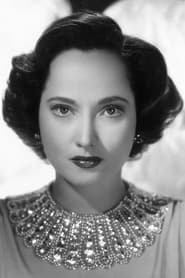
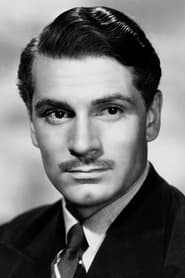
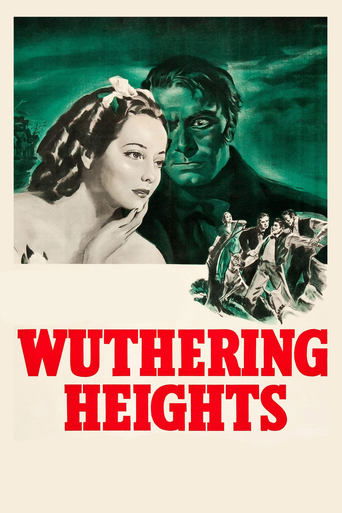
The moment Heathcliff first sees Cathy through the window at Wuthering Heights, you know this won't end well. Laurence Olivier's feral orphan and Merle Oberon's spoiled darling circle each other like caged animals in William Wyler's stripped-down adaptation of Emily Brontë's novel. What starts as childhood friendship curdles into obsession when Cathy chooses wealth and status over passion. The moors become a character themselves — those swirling mists and crumbling stone walls watching silently as these two destroy each other and everyone around them.
Heathcliff's return as a wealthy man is the film's pivot point. I'll admit I didn't expect Olivier to play this as cold fury rather than romantic anguish. His calculated revenge on the Lintons feels more dangerous for being so controlled. Meanwhile, Oberon makes Cathy's famous 'I am Heathcliff' speech less a romantic declaration than a terrified realization of being trapped by her own choices.
That final shot of the ghosts on the moor? It shouldn't work — but it does.
Direction & Cinematography
William Wyler frames the Yorkshire moors like a prison. There's one astonishing shot where the camera tracks Cathy running toward the horizon, only for the landscape to reveal itself as endless identical hills. You feel her claustrophobia physically.
But Wyler also understands restraint. The famous scene where Heathcliff overhears Cathy say it would 'degrade' her to marry him? We don't see Olivier's face — just his hand gripping the doorframe until the wood splinters. What stayed with me after the credits was how much violence happens offscreen, making the moments we do see hit harder.
On rewatch, I noticed how the film's structure mirrors the novel's nesting narratives. The flashback device could feel clunky, but Wyler uses it to heighten the sense of inevitable tragedy.
Cast & Performances
Laurence Olivier's Heathcliff is all coiled tension. Watch how he delivers lines about revenge while casually petting a dog — it's chilling. That said, his early scenes sometimes tip into melodrama; the famous 'Cathy!' scream at the window nearly made me laugh.
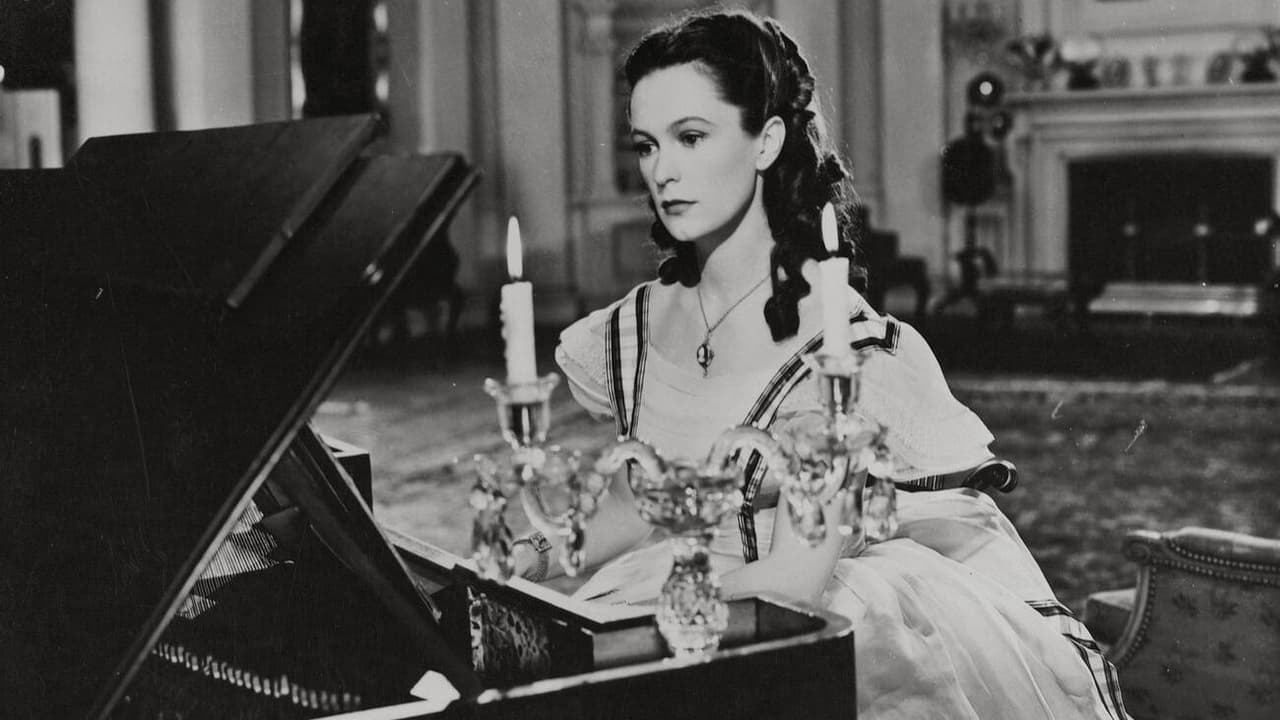
Merle Oberon makes Cathy's capriciousness fascinating. There's a moment when she mockingly imitates Isabella's crush on Heathcliff, then suddenly stops, realizing her own jealousy. It's a brilliant character beat.
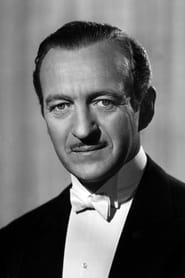
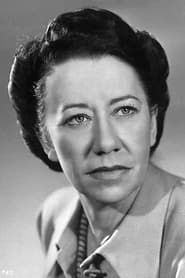
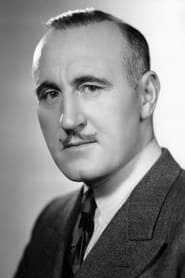
David Niven's Edgar suffers most from the script's compression. He's stuck playing the blandly decent foil, though I wasn't expecting his quiet dignity in the final confrontation. Flora Robson steals every scene as the pragmatic housekeeper Nelly, especially when she wordlessly watches Cathy's self-destruction.
Character Psychology
Heathcliff thinks he wants revenge, but what he really craves is proof that Cathy never stopped loving him. His entire adult life becomes a performance for an audience of one — and when that audience disappears, so does his purpose.
Cathy's tragedy is that she understands this too late. Her famous declaration 'I am Heathcliff' isn't romantic; it's the panic of someone realizing they've amputated their own soul for social comfort.
Themes & Emotional Depth
This is a film about how love curdles into ownership. The moors symbolize freedom, yet every character builds prisons — of marriage, revenge, or nostalgia. There's a devastating moment where adult Cathy stares at her childhood dress, realizing she can't fit into it or the person she used to be.
What surprised me most was how contemporary the central conflict feels. Brontë's story exposes how class and gender constraints distort desire into something monstrous.
Memorable Scenes & Dialogue
The window scene: Heathcliff's final visit to the dying Cathy is lit like a Caravaggio painting. Oberon's feverish delivery of 'You and Edgar have broken my heart' contrasts with Olivier's terrifying stillness. It works because both actors understand this is a battle, not a reconciliation.
The dress rehearsal: Young Cathy practicing ladylike manners while Heathcliff watches bitterly. Director Wyler frames it as a perverse puppet show, foreshadowing how social performance will destroy them.
The final shot: That haunting image of the ghosts walking the moors shouldn't land after the overwrought death scene — but Gregg Toland's cinematography makes it transcendent.
The Ending — Does It Deliver?
The deathbed scene nearly topples into melodrama, but Olivier's restraint saves it. His Heathcliff doesn't weep; he stares at Cathy with furious disbelief, as if he could will her back to life through sheer anger. That choice makes their final moments together more devastating.
What stayed with me was the ambiguity of the ending. Are the ghosts real, or just Lockwood's drunken vision? Wyler refuses to answer, leaving us with the moors' indifferent beauty.
What Works
Olivier and Oberon's chemistry is electric, especially in scenes where they're trying to hurt each other. The cinematography turns the moors into a character — those swirling mists and sudden bursts of sunlight mirror the characters' turbulent emotions. The script's compression of the novel's second half actually improves the pacing, focusing the tragedy. And Flora Robson's Nelly provides much-needed warmth in this icy story.
Honest Criticism
The rushed first act does young Cathy and Heathcliff a disservice, making their bond feel more told than shown. Some of the supporting characters (especially Isabella) get shortchanged by the script's focus on the central duo. And while the score is effective, there are moments where it leans too hard into melodrama, undercutting the performances' subtlety.
How It Compares
Compared to the 2011 Andrea Arnold version, this adaptation favors psychological intensity over raw sensuality. Arnold's handheld camerawork and lack of score feel more modern, but Wyler's classical framing better serves the story's gothic grandeur.
It shares DNA with 'Rebecca' (also starring Olivier) in its exploration of how past hauntings shape the present. But where 'Rebecca' is all creeping dread, 'Wuthering Heights' wears its heart on its sleeve — sometimes to a fault.
Legacy & Cultural Impact
Nominated for eight Academy Awards (including Best Picture), it won for Best Cinematography. Though initially divisive for its deviations from the novel, it's now considered the definitive adaptation. The American Film Institute ranked Heathcliff as the 73rd greatest movie villain — a fascinating choice given he's more victim than villain.
Its influence echoes in everything from 'The English Patient' to 'Twilight,' though few imitators grasp Brontë's crucial insight: this isn't a love story, but a story about love's destructive potential.
Behind the Scenes
- Olivier hated working with Oberon, calling her 'a amateur.' Their tense dynamic ironically fuels their scenes. 2. The famous moors were shot in California's Conejo Valley due to budget constraints. 3. Samuel Goldwyn demanded a happier ending; Wyler shot the ghost sequence secretly and threatened to quit if it wasn't included.
Who Should Watch It?
Fans of gothic romance and classic Hollywood will find much to love. Viewers who prefer subtlety over grand passions might find it overwrought. It's essential viewing for Olivier completists, but those seeking a faithful adaptation of the novel's full scope may be disappointed.
Final Verdict
This 'Wuthering Heights' earns its classic status through Olivier's volcanic performance and Wyler's masterful direction. While not perfectly faithful to Brontë's novel, it captures the story's emotional truth. The 8.2 rating reflects its historical importance and artistic achievements, despite some dated elements. See it for the most dangerous love story ever filmed — one where the real villain is love itself.
More details, ratings, and cast information on IMDb, TMDB, Wikipedia. YouTube