- 1Movie Overview
- 2Direction & Cinematography
- 3Cast & Performances
- 4Character Psychology
- 5Themes & Emotional Depth
- 6Memorable Scenes & Dialogue
- 7The Ending — Does It Deliver?
- 8What Works
- 9Honest Criticism
- 10How It Compares
- 11Legacy & Cultural Impact
- 12Behind the Scenes
- 13Who Should Watch It?
- 14Final Verdict

- Genre: History, Drama
- Director: Joachim Rønning
- Year: 2024
- Runtime: 2h 9m
- Language: English (EN)
- TMDB Rating: ⭐ 7.9/10
Movie Overview
Young Woman and the Sea introduces us to Trudy Ederle, played by Daisy Ridley, a determined swimmer who dreams of breaking barriers in the early 1920s. The setup is engaging, as we watch Trudy train vigorously with her supportive sister, played by Tilda Cobham-Hervey, who serves as her anchor amid societal expectations. Conflict arises not only from the physical challenge of swimming the English Channel but also the skepticism Trudy faces from a male-dominated sports world. As she navigates these hurdles, the emotional stakes heighten, painting a vivid portrait of her battle for acceptance and recognition.
What struck me was how the film balances personal and public struggles. Trudy's desire to prove herself mirrors the larger fight for women's rights during that era. As she trains for the grueling trek, we see her personal relationships evolve; her sister, initially supportive, begins to worry about the toll the journey may take. This tension adds layers to Trudy's story, enhancing the stakes without overshadowing her triumphs.
But alongside the thrilling moments of training and competition, there are pacing issues that occasionally detract from the momentum. A trip to the Olympic trials feels drawn out, and some scenes seem to meander. Despite this, the emotional climax is profound; by the time Trudy steps into the chilly waters of the Channel, the stakes feel incredibly high. The anticipation builds effectively, leaving us rooting for her.
In the final act, as Trudy dives into the waters, I thought of the broader implications of her journey. The achievement is not just in completing the swim but in breaking societal barriers. What stayed with me after the credits rolled was the film's overarching message about striving for greatness against the odds, which resonates well beyond Trudy's story.
Direction & Cinematography
Joachim Rønning, known for his work on films like Pirates of the Caribbean: Dead Men Tell No Tales, brings a dynamic approach to Young Woman and the Sea. The film opens with a stunning shot of Trudy diving into a pool, her determination clear as the camera captures the ripples she creates. It sets the tone for both her journey and the emotional gravity that follows. Rønning manages to keep the energy high during training sequences, making the most of the soundtrack and editing to enhance the adrenaline of competitive swimming.
But it’s the quieter moments that truly stand out. There’s a scene where Trudy practices in solitude, the silence of the water amplifying her introspection. I noticed how Rønning slows the pace here, allowing viewers to soak in her vulnerability. This contrast is effective; it highlights her internal struggles against the backdrop of a society that often undermines her. However, in some parts, the pacing slogs, particularly when history is thrown at us in exposition-heavy dialogues.
The tone oscillates between uplifting and somber, something Rønning balances well. The roster of supporting characters adds depth but occasionally overshadows Trudy's arc. While these side stories enrich the narrative, there are moments when I kept waiting for a clearer focus on Trudy herself. It bothered me slightly that some character developments, like her sister's growing concern, felt underexplored, leaving me wanting a tighter narrative thread throughout.
Cast & Performances
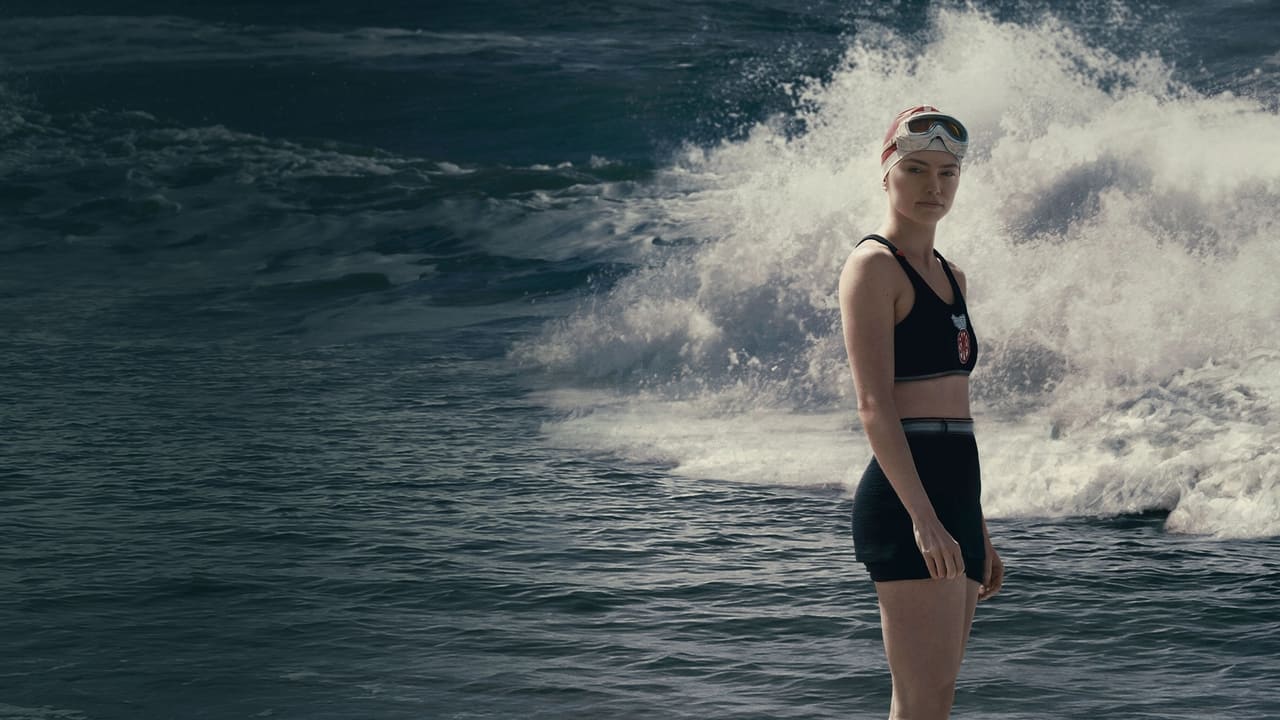
Daisy Ridley embodies Trudy Ederle with a mix of grit and vulnerability. In her training scenes, her physical choices resonate; the way she holds her breath just before diving conveys her commitment and fearlessness. There’s a peak moment early on where Trudy stands against the waves, exuding both determination and hesitation, which encapsulates her internal conflict well. I’ll admit I didn’t expect Ridley to bring such depth to the role, but she surprises with her emotional range.
Tilda Cobham-Hervey brings a warm energy to Trudy's sister, ensuring their bond feels authentic. During a pivotal scene, her character expresses doubt after witnessing Trudy's struggles, and Cobham-Hervey’s voice cracks subtly, revealing a deeper concern for her sister's well-being. It’s a moment that effectively communicates the weight of familial expectations. However, I felt some supporting characters, like the trainers, were underused and lacked development, which made their appearances less impactful.
Stephen Graham, as an authority figure skeptical of Trudy, delivers an effective performance that captures the era's misogyny. His dismissive remarks in the Olympic trials scene stand out, showcasing the societal pressures Trudy faces. Yet, there’s a slight lack of complexity in his character that doesn't fully engage; he's more a catalyst for Trudy's struggle rather than a fully realized antagonist, which left me wanting more depth in his portrayal.
Character Psychology
On the surface, Trudy wants to prove herself as a swimmer and break the stereotypes surrounding women in sports. She seeks validation from a society that dismisses her because of her gender. However, at her core, Trudy needs to reconcile her ambitions with familial love and societal expectations. This internal conflict is palpable throughout the film.
By the end, Trudy does achieve her goal of swimming the English Channel, but not without significant emotional sacrifice. She struggles with the fear of disappointing her sister, and it’s this fear that often holds her back. In some ways, she remains unaware of how deeply her relationships are intertwined with her ambition, creating a bittersweet ending that suggests victory doesn’t always come without cost.
Themes & Emotional Depth
The film explores themes of gender equality, with Trudy's fight to be recognized in a male-dominated sport serving as a powerful commentary on women's rights. During a training montage, we see women being sidelined in the sports world, reinforcing the societal obstacles Trudy faces. This visual storytelling makes the theme resonate beyond Trudy's personal journey.
Additionally, the film dives into the importance of family support. The relationship between Trudy and her sister is central, illustrating how familial bonds can enable and complicate personal ambition. Their conversations reveal how love can be both a source of strength and a source of conflict, which is particularly poignant during moments when Trudy's ambitions clash with her sister's fears.
Memorable Scenes & Dialogue
One standout scene occurs during Trudy's first attempt at crossing the Channel; the camera captures her shivering in the frigid water, reflecting both determination and fear. The close-ups on her face convey every ounce of struggle against the waves, showing how much is at stake. The rawness of this moment, combined with the sound design of the crashing waves, enhances the tension.
Another memorable moment happens when Trudy finally receives her Olympic invite. The elation in Ridley’s performance is palpable; she jumps for joy, and the framing of the shot—her small figure against a towering building—poignantly symbolizes her dreams being both close yet distant. This moment encapsulates the struggle and the thrill of achievement, leaving a lasting impact on the audience.
Finally, the film’s credits roll over a montage of Trudy's actual swim, grounding her fictional journey in real history. This choice resonates deeply, reminding viewers of the real-life impact of her achievement, effectively merging the personal with the historical.
The Ending — Does It Deliver?
The climax, when Trudy finally swims the Channel, is earned through the buildup of her training and personal sacrifices. The tension escalates as she stumbles into the water, with a mixture of hope and fear evident in her eyes. I was surprised by how emotional the scene was; the combination of Ridley’s performance and the immersive sound design made it feel like a culmination of everything she had worked for.
The final shot leaves you with a bittersweet sense of victory. As the screen fades to black, Trudy’s journey feels both triumphant and reflective. It’s a reminder that success often comes with a price, and the emotional weight of that realization lingers long after the film ends.
What Works
The dynamic relationship between Trudy and her sister provides emotional depth, especially in scenes where they confront their fears. Ridley’s portrayal shines in moments of vulnerability, such as when she struggles against the waves. Additionally, the cinematography during the swim scenes, particularly the overhead shots that capture Trudy's isolation in the vastness of the ocean, works effectively to convey her internal struggle. These elements together create a compelling narrative arc.
Honest Criticism
One subplot involving Trudy's trainer feels underdeveloped and ultimately unnecessary. His character, while meant to offer guidance, lacks depth and fails to fully connect with Trudy's journey, making some scenes feel like filler. This diminishes the emotional stakes during critical training montages and detracts from Trudy’s personal growth, leaving viewers wanting a more cohesive narrative focus.
How It Compares
Young Woman and the Sea can be compared to films like Hidden Figures, which also tackles women breaking barriers in a male-dominated field. What this film does differently is its focus on the physicality of sport and the personal toll it takes on relationships. However, Hidden Figures provides stronger character arcs for its ensemble, while Young Woman sometimes struggles with supporting character depth.
Similarly, A League of Their Own explores similar themes of womanhood in sports but leans heavily into comedic elements. Young Woman and the Sea opts for a more serious tone, making it feel heavier at times, which might alienate viewers looking for lighter fare. The darker approach works well for the subject matter, but it doesn’t quite reach the same level of energetic engagement as A League of Their Own.
Legacy & Cultural Impact
Young Woman and the Sea is poised to start conversations around gender representation in sports, similar to the discussions sparked by films like The Queen's Gambit. In an era where women continue to fight for equality in all fields, the film’s portrayal of Trudy Ederle’s story feels particularly relevant.
With a TMDB rating of 7.9, the film has garnered positive critical reception, but the box office success remains to be seen as it competes with larger franchise films. The filmmakers are clearly aiming to inspire a new generation of athletes, especially women, reminding us that history is made through perseverance.
Behind the Scenes
Daisy Ridley and Tilda Cobham-Hervey spent weeks training with a professional swimmer to prepare for their roles, ensuring authenticity in their performances. There's a scene where Trudy's first attempt at the Channel swim was filmed during unexpected rough weather, leading to some improvised reactions from the cast that were ultimately used in the final cut. Interestingly, the film initially had a different ending, but test screenings revealed audiences found the original too ambiguous, prompting a rewrite that emphasizes Trudy's ultimate triumph.
Who Should Watch It?
This film will resonate with viewers who appreciate historical dramas and stories of resilience, particularly women looking for inspiring narratives. However, those seeking fast-paced sports action or light-hearted fare may want to skip this one, as it leans more into emotional depth than adrenaline rush.
Final Verdict
Young Woman and the Sea is a commendable portrayal of Trudy Ederle's groundbreaking achievements, with strong performances that elevate the narrative. Its heartfelt exploration of gender struggles and familial bonds makes it worth watching. However, some pacing issues and underdeveloped subplots slightly hinder its impact. Ultimately, the film serves as a poignant reminder of the importance of perseverance in the face of societal barriers.
More details, ratings, and cast information on IMDb, TMDB, Wikipedia. YouTube