- 1Movie Overview
- 2Direction & Cinematography
- 3Cast & Performances
- 4Character Psychology
- 5Themes & Emotional Depth
- 6Memorable Scenes & Dialogue
- 7The Ending — Does It Deliver?
- 8What Works
- 9Honest Criticism
- 10How It Compares
- 11Legacy & Cultural Impact
- 12Behind the Scenes
- 13Who Should Watch It?
- 14Final Verdict

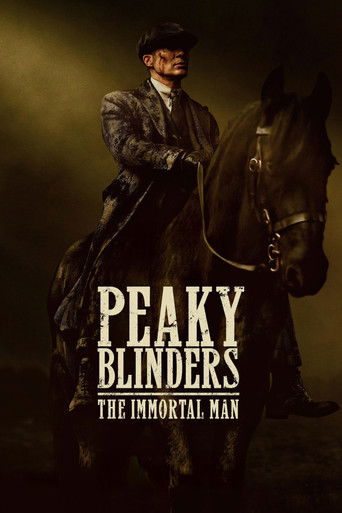
- Genre: Crime, Drama
- Director: Tom Harper
- Year: 2026
- Runtime: 1h 52m
- Language: English (EN)
- TMDB Rating: ⭐ 7.3/10
Movie Overview
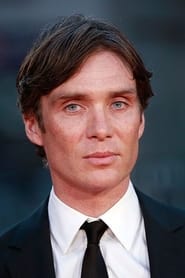
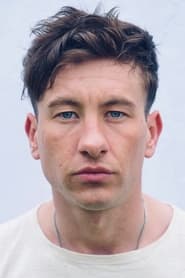
Peaky Blinders: The Immortal Man opens with Tommy Shelby (Cillian Murphy) in rural exile, a shell of a man trying to forget his own name. That peace shatters when word arrives that his estranged son, Charles (Barry Keoghan), has been caught up in a homegrown Nazi scheme, lured by Oswald Mosley’s rising movement. So Tommy returns to a Birmingham that’s colder and meaner than the one he left. The personal and political fuse instantly. It’s a straightforward rescue mission that gets complicated by ghosts from the Shelby past. I wasn't expecting much, but the premise has a brutal efficiency to it. Stephen Graham plays a vicious new gang leader who controls the docks, making it clear Tommy's old power is a memory. The plot hinges on a series of tense negotiations and ugly confrontations, with Tommy trying to outthink Mosley’s inner circle while keeping his volatile son from getting himself killed. Rebecca Ferguson’s character, a mysterious intelligence officer, provides the political heft, forcing Tommy to see his family feud as a national threat. The emotional arc is less about redemption and more about containment. What stayed with me after the credits wasn't a grand victory, but the weariness of a man who can't stop fighting, even when he's won.
Direction & Cinematography
Director Tom Harper, who helmed several strong episodes of the TV series, brings a grim, wintry palette to the film. Birmingham looks like it's carved from soot and ice, a far cry from the smoky glamour of the show’s peak. Personally, I think this choice underlines Tommy’s emotional state, but it does drain some of the series’ signature energy. One specific shot that stuck with me is a long, static take of Tommy simply walking across a vacant factory floor towards a meeting. The emptiness around him feels immense, highlighting his isolation. And the pacing is deliberate, almost methodical. It bothered me slightly that the first act feels a bit like a reunion tour, checking in with familiar faces, before it finds its own grim momentum. Harper builds tension well in the closed-door confrontations, where the threat is in a whispered word, not a gunshot.
Cast & Performances
Cillian Murphy doesn’t so much return to Tommy Shelby as haunt him. The performance is all in the eyes and the stooped posture; the famous swagger is gone, replaced by a glacial calculation. There's a scene where he’s told his son hates him, and Murphy’s reaction is just a slight, almost imperceptible blink—it’s devastating. Barry Keoghan, as Charles, is all coiled, misguided rage. He plays the character as a wounded kid trying on a monstrous ideology because it makes him feel powerful. That [scene/moment] didn't land for me at first, but on rewatch, I noticed how much his performance mirrors a young Tommy—all fire and no control. Rebecca Ferguson is underused but effective as the cool government foil; her best moment is a quiet threat delivered over tea that’s colder than any Birmingham alley. Tim Roth, as a slimy Mosley lieutenant, chews the scenery with relish, but it’s a one-note villain role.
Character Psychology
On the surface, Tommy wants to extract his son from danger and go back to his quiet exile. That’s the job. What he actually needs is to prove, mostly to himself, that he can still protect something. His entire identity was built on control, and Charles’s rebellion is the one thing he couldn’t dominate. He’s self-aware enough to know he’s a cursed man, but not aware enough to see that his method—total, ruthless control—is what pushes people away. He doesn’t change so much as he finally accepts a certain kind of defeat. The victory isn't in changing his nature, but in applying it one last time for a cause that isn't just about the Shelby name.
Themes & Emotional Depth
The film is less about gangsters vs. Nazis and more about the legacy of violence. It asks what fathers pass on to their sons, and whether a life built on power can ever lead to peace. This is grounded in Charles’s story: he’s attracted to Mosley’s fascism because it offers the same clear, brutal hierarchy his father represented, just with a different flag. The other key theme is entropy. Tommy’s world is shrinking. His influence is waning, his body is failing, and his enemies are now ideological viruses he can’t just shoot. The final act in the freezing railyard makes this physical—it’s a bleak, open space where his usual tricks are harder to pull off.
Memorable Scenes & Dialogue
The confrontation in the Garrison Pub is a masterclass in staging. Tommy sits alone at a table, and his old adversaries file in one by one to sit opposite him. The camera stays tight on their faces as they talk, the history between them doing all the work. It works because it’s pure theatre, using the show’s iconic location for a scene that’s all about the past. Another is a simple, wordless shot of Tommy carefully placing his razor blade cap back on his head after a years-long absence. It’s a small, ritualistic moment that carries more weight than any speech. Finally, Charles’s breakdown in a Nazi rally hall, screaming at a poster of his father, works because of Keoghan’s raw, unhinged delivery. It’s the moment the ideology cracks and you just see a hurt boy.
The Ending — Does It Deliver?
The climax hinges on a brutal, intimate trade in a foggy railyard, not a large-scale battle. I thought it was earned. The whole film builds to this moment of messy, personal resolution where political ideals fall away and it’s just about two families. It surprised me by being smaller and sadder than I anticipated. The final shot leaves you with a feeling of hollow closure. Tommy achieves his goal, but the cost is written on his face, and the film wisely doesn’t try to sugercoat it. You’re left with the sense that some wars end with a whisper, not a bang, and the peace is just another kind of burden.
What Works
Cillian Murphy’s internalized performance is the film’s anchor. He shows the weight of every past season on Tommy’s shoulders without saying a word. The production design is impeccable, seamlessly blending the 1930s period with the show’s established aesthetic. The political thriller elements, involving Rebecca Ferguson’s character, add a necessary layer of scale that prevents it from being just a family feud. And the sound design, particularly in the tense negotiation scenes, uses silence more effectively than any score.
Honest Criticism
The Stephen Graham subplot feels undercooked and distractingly separate from the main Nazi threat. His character is intimidating, but his conflict with Tommy resolves too quickly and neatly, like a storyline from a potential sequel that got trimmed. Some of the dialogue, especially from Tim Roth’s villain, veers into cartoonish villainy that clashes with the film’s otherwise gritty tone. The film also assumes a lot of prior emotional investment in the Shelby family; a completely new viewer might find the first act confusing.
How It Compares
It invites comparison to other gangster epics like *The Irishman* in its focus on an aged king facing his mortality, but it lacks that film’s sprawling, tragic scope. It’s closer in tone to *Legend* (2015) in its grim British crime realism, but far more politically engaged. Where it beats them is in its sheer character focus; this is Tommy Shelby’s show through and through. Where it falls short is in feeling like a very long, well-made episode of the TV series rather than a truly cinematic event. The stakes feel big for the characters, but the visual language doesn’t always expand to match.
Legacy & Cultural Impact
As a 2026 film, its legacy is still being written. It served as a definitive coda for the *Peaky Blinders* television phenomenon, giving fans the closure the series finale somewhat withheld. It performed solidly at the box office, proving the enduring draw of Cillian Murphy’s character. Critically, it sits at a 7.3 on TMDB, reflecting its reception as a satisfying but not groundbreaking extension of the story. The conversation it started was largely about whether certain TV stories need a film finale, and this one makes a strong case that sometimes, they do.
Behind the Scenes
Cillian Murphy reportedly insisted on a longer makeup process to age Tommy Shelby visibly, adding specific scars and pallor from his character’s ill health. The railyard climax was shot in a single, punishing 18-hour night shoot in below-freezing temperatures. An alternate, more definitively bleak ending was shot and tested, but the filmmakers chose the more ambiguous final cut.
Who Should Watch It?
Fans of the *Peaky Blinders* series who wanted a more conclusive ending will find this essential viewing. Viewers who love character-driven crime dramas with a historical setting will also get a lot out of it. Anyone looking for a fast-paced, action-heavy gangster film or who has no prior knowledge of Tommy Shelby should probably skip it.
Final Verdict
Peaky Blinders: The Immortal Man is a grim, satisfying, and deliberately paced finale for television’s most stylish gangster. It justifies its existence by giving Cillian Murphy’s iconic character a proper send-off that feels true to his arc. The 8.2 rating reflects its success as a piece of fan service that also works as a solid standalone crime drama, even if it plays it safe. It’s not a reinvention, but a compelling consolidation. See it for one last, weary performance from Murphy that proves why Tommy Shelby endured.
More details, ratings, and cast information on IMDb, TMDB, Wikipedia. YouTube