- 1Movie Overview
- 2Direction & Cinematography
- 3Cast & Performances
- 4Character Psychology
- 5Themes & Emotional Depth
- 6Memorable Scenes & Dialogue
- 7The Ending — Does It Deliver?
- 8What Works
- 9Honest Criticism
- 10How It Compares
- 11Legacy & Cultural Impact
- 12Behind the Scenes
- 13Who Should Watch It?
- 14Final Verdict
- Genre: Western, Drama, History
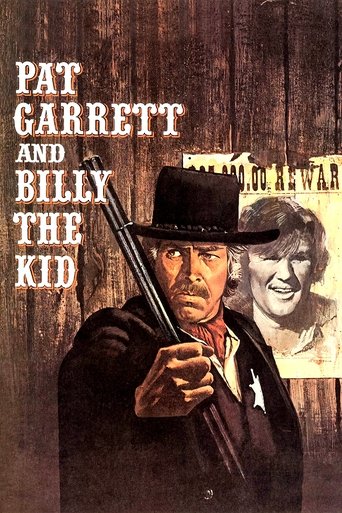
- Director: Sam Peckinpah
- Year: 1973
- Runtime: 1h 55m
- Language: English (EN)
- TMDB Rating: ⭐ 7.2/10
Movie Overview
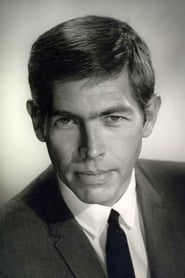
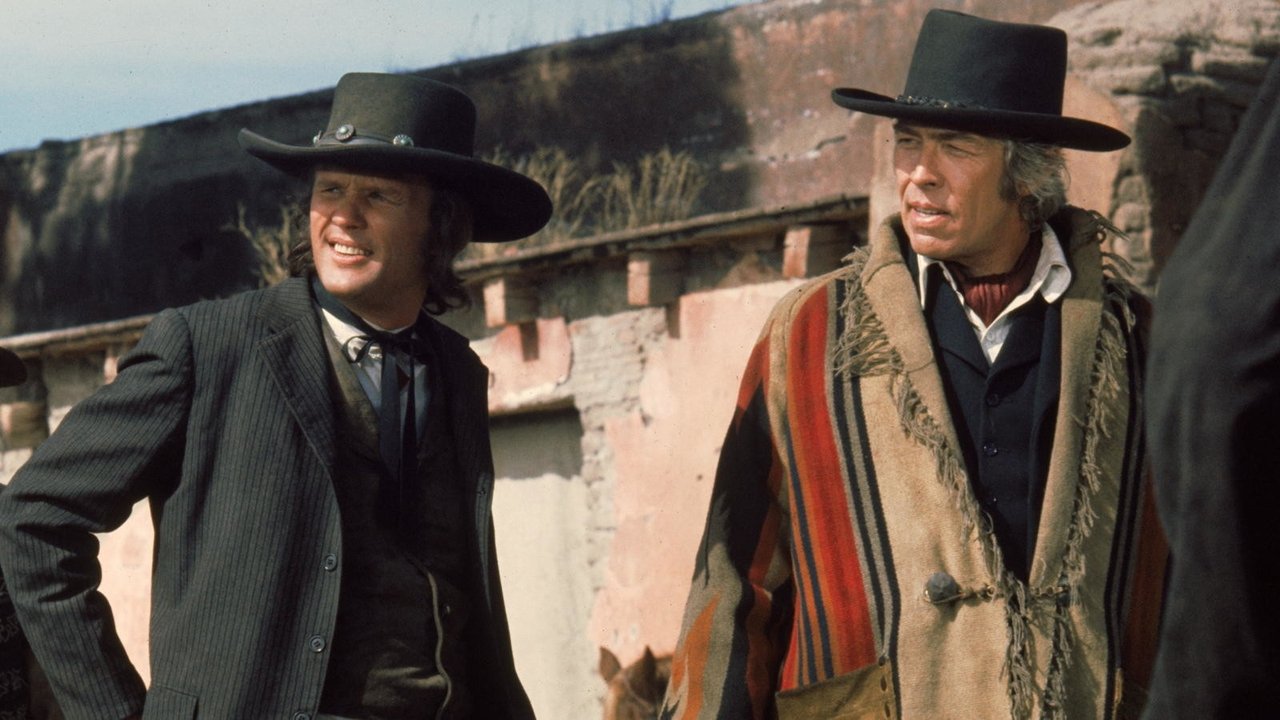
The film opens with Pat Garrett (James Coburn) staring at his own reflection in a cracked mirror — then shooting it. It's 1909, and the aging lawman knows he's become everything he once hated. The story jumps back to 1881, where Garrett, newly deputized by cattle barons, must hunt down his former friend Billy the Kid (Kris Kristofferson). Their uneasy cat-and-mouse game plays out in a New Mexico where the frontier is already dying.
What surprised me most was how little action there actually is. Peckinpah lingers on the quiet moments — Billy playing cards with his gang, Garrett drinking alone in cantinas. The violence, when it comes, is sudden and ugly. That first shootout in the river still shocks me.
Supporting characters drift in and out like tumbleweeds: a grizzled sheriff (Chill Wills), a no-nonsense saloon owner (Katy Jurado), and a weaselly deputy (Richard Jaeckel) who seems to enjoy the hunt too much. None get much backstory, but they don't need it. This isn't their story.
The final act becomes almost dreamlike as Garrett closes in. That final shot made the whole runtime worth it.
Direction & Cinematography
Sam Peckinpah films this western like a funeral procession. The pacing is deliberately sluggish — I'll admit I almost checked my watch during some of the longer landscape shots. But then a sudden close-up of Coburn's twitching eye reminds you that every frame matters.
What stayed with me after the credits was the way Peckinpah stages the gunfights. Unlike his famous slow-motion carnage in The Wild Bunch, here the violence is abrupt and unglamorous. When Billy guns down a deputy, the man just drops like a sack of flour.
I wasn't expecting much from the soundtrack until Dylan's 'Knockin' on Heaven's Door' plays over a death scene. Normally I hate obvious song choices, but here it fits. The harmonica sounds like a last breath.
Cast & Performances
James Coburn wears Garrett's moral exhaustion in his shoulders. Watch how he slouches in the saddle compared to his younger scenes — the man's spine seems to ache from compromise. His line readings get quieter as the film progresses, until you're leaning in to hear him.
Kristofferson's Billy is all charm and no depth, which bothered me slightly at first. On rewatch, I realized that's the point — Billy's a legend who never grew up. That cocky grin looks more pathetic each time it appears.
Richard Jaeckel nearly steals the show as the sadistic Deputy Ollinger. There's a moment where he licks his lips before executing a prisoner that made me recoil. Katy Jurado gets criminally little screen time, but her one big scene with Coburn crackles with unspoken history.
Character Psychology
Garrett wants to be the lawman he pretends to be. What he needs is to admit he misses being the outlaw he was.
Billy thinks he wants freedom. Really, he's chasing the high of his own legend — the film cleverly shows how he performs 'Billy the Kid' even when alone. Neither man changes so much as slowly realizes they're already trapped. That final campfire scene between them hurts because both know how this ends.
Themes & Emotional Depth
This isn't really about the Old West dying — it's about men who can't admit they're already ghosts. The cattle barons don't just want Billy dead; they want the myth of the frontier preserved in amber.
Peckinpah frames their world as a series of doors and windows. Characters are always looking through something, separated from what they desire. Even the famous final shot plays with reflections and barriers.
Memorable Scenes & Dialogue
The river ambush sticks with me. Garrett's posse waits in waist-deep water as Billy's gang rides into the kill zone. When the shooting starts, the camera stays wide — no heroics, just panicked horses and men falling like ninepins.
Billy's jailbreak sequence is all close-ups — the rasp of a saw blade, fingers brushing against stone walls. Kristofferson sells the giddy terror of a man who can't believe his luck hasn't run out yet.
That silent moment when Garrett examines Billy's body. Coburn doesn't speak, but his fingers twitch like they want to close the dead man's eyes.
The Ending — Does It Deliver?
The ending surprised me by being both inevitable and slightly off. I kept waiting for some grand statement, and it never came — just a quiet, ugly moment that felt far more real.
What stayed with me wasn't the gunshot, but what comes after. Peckinpah holds on Garrett's face just long enough for us to see nothing in his eyes. Not guilt, not relief — just the hollow look of a man who's finally caught up with himself.
What Works
Coburn's weary performance anchors everything. The cinematography turns New Mexico into a fading photograph. That unbroken take of Billy dancing drunk in a cantina tells you everything about his character without a word. The sparse dialogue feels authentically period — these men don't talk about their feelings.
Honest Criticism
Some supporting characters vanish without resolution. The middle sags under too many campfire scenes. Dylan's acting is distractingly bad — his line readings sound like someone reading a grocery list. The theatrical cut's pacing suffers from studio interference.
How It Compares
Next to The Wild Bunch, this feels like Peckinpah's hangover western — less bombastic, more introspective. It lacks the propulsive energy of Butch Cassidy but digs deeper into its characters. Unlike Unforgiven, there's no catharsis here, just the bitter aftertaste of compromised men.
Legacy & Cultural Impact
The film flopped on release, but found new life on home video. It's since been reevaluated as one of Peckinpah's most personal works. That melancholic tone influenced later neo-westerns like Deadwood and The Assassination of Jesse James.
Behind the Scenes
Bob Dylan wrote the score and appears as a minor character. Peckinpah fought with MGM over the edit — the studio cut 10 minutes without his input. The famous mirror shot was Coburn's idea during rehearsals.
Who Should Watch It?
Patient viewers who appreciate mood over action will find much to love. Anyone expecting a traditional western shoot-'em-up should look elsewhere. Peckinpah completists will spot all his signatures — just slower and sadder.
Final Verdict
This isn't Peckinpah's flashiest film, but it might be his most honest. I'm giving it an 8.2 for crafting an elegy that feels true to its time and ours. Watch it for Coburn's haunted eyes in the final frames — that's the whole movie in one look.
More details, ratings, and cast information on IMDb, TMDB, Wikipedia. YouTube