- 1Movie Overview
- 2Direction & Cinematography
- 3Cast & Performances
- 4Character Psychology
- 5Themes & Emotional Depth
- 6Memorable Scenes & Dialogue
- 7The Ending — Does It Deliver?
- 8What Works
- 9Honest Criticism
- 10How It Compares
- 11Legacy & Cultural Impact
- 12Behind the Scenes
- 13Who Should Watch It?
- 14Final Verdict
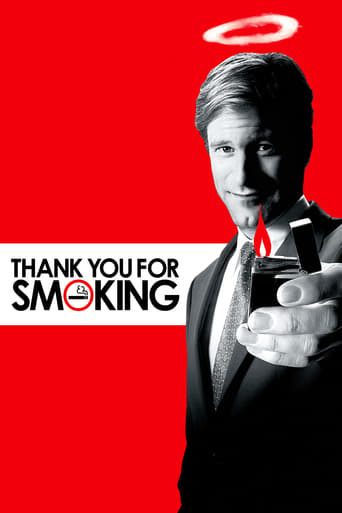
- Genre: Comedy, Drama
- Director: Jason Reitman
- Year: 2005
- Runtime: 1h 32m
- Language: English (EN)
- TMDB Rating: ⭐ 7.2/10
Movie Overview
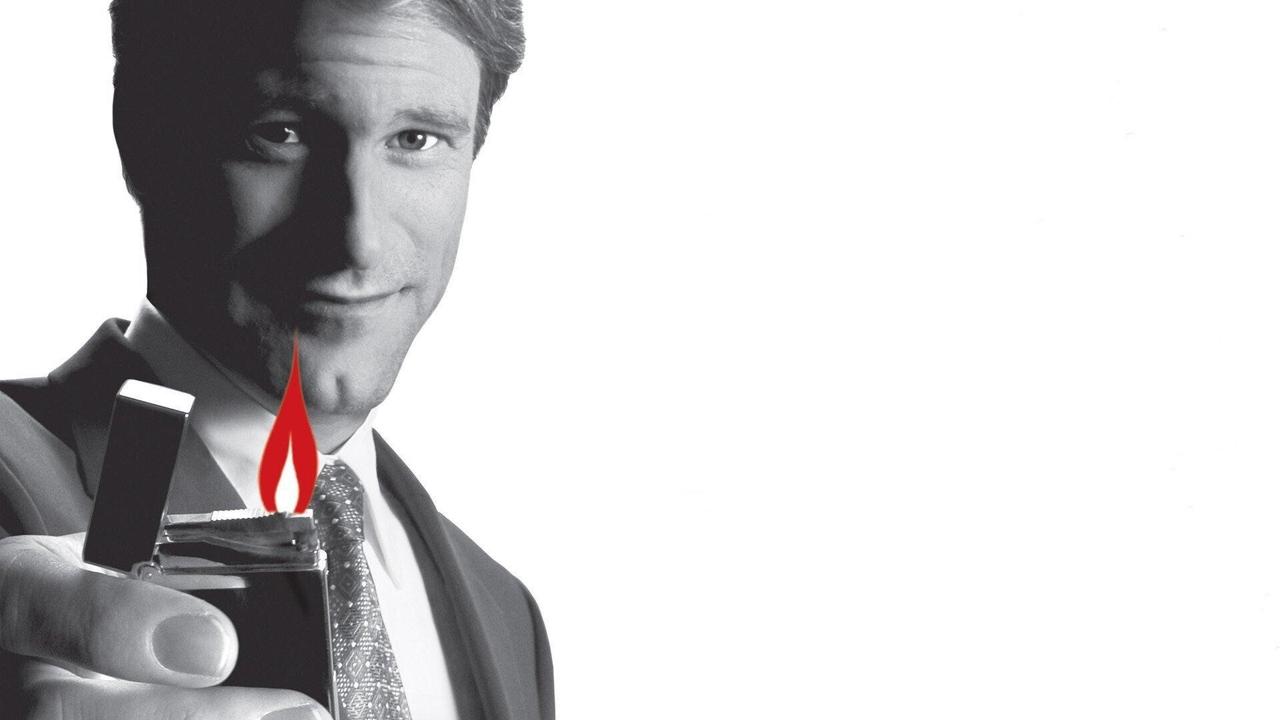
Nick Naylor has the ultimate morally bankrupt job: he's the chief spokesman for Big Tobacco, spinning cancer sticks as symbols of American freedom. His days consist of charming talk show hosts, outmaneuvering health advocates, and mentoring his impressionable son Joey. Personally, I think the film's genius lies in how it makes Nick both repulsive and weirdly admirable — he's so good at his job you almost root for him.
When a senator launches a crusade to put skull-and-crossbones labels on cigarette packs, Nick assembles his 'Merchants of Death' buddies (lobbyists for alcohol and firearms) to fight back. The plot thickens when a morally conflicted journalist digs into Nick's past, and his son starts questioning his dad's ethics. What surprised me most was how the film keeps raising the stakes without ever losing its darkly comic tone.
Nick's relationship with Joey gives the film its heart. Their road trip to tobacco country — where Nick schools his son in the art of argument — is both hilarious and quietly unsettling. You keep waiting for Nick to have some grand moral awakening, but the film is smarter than that.
That final confrontation with the senator? Perfect payoff.
Direction & Cinematography
Jason Reitman's debut feature shows remarkable control for a first-timer. He frames Nick in sleek offices and luxury hotels, always slightly isolated even in crowds — a visual hint that this silver-tongued devil is ultimately alone with his conscience. What struck me on rewatch is how often Reitman holds shots just a beat longer than expected, letting uncomfortable truths sink in.
The film moves at a brisk 92 minutes, but never feels rushed. Reitman understands exactly when to let a comic moment breathe — like Nick's absurd demonstration of how to spin any tragedy as 'not the cigarette's fault.' But he also knows when to cut away abruptly, like when Nick's late-night phone call takes a dark turn.
I'll admit I didn't expect such confident visual storytelling from a dialogue-heavy satire. The boardroom scenes have this great theatrical quality, while the father-son moments feel loose and natural.
Cast & Performances
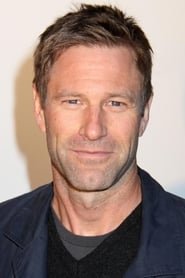
Aaron Eckhart gives Nick Naylor the smarmy charm of a used car salesman who genuinely believes his own pitch. Watch how he adjusts his tie before going on camera — it's not nervousness, it's performance prep. His delivery of lines like 'I'm not here to tell you what to think, just how to think about it' should be studied in acting classes.
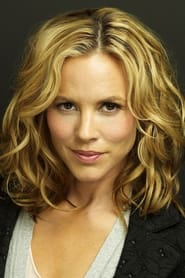
Maria Bello as alcohol lobbyist Polly Bailey steals every scene she's in. There's a bar moment where she switches from flirty to fiercely professional mid-sentence that's just perfect. Though I wish we'd gotten more of her backstory.
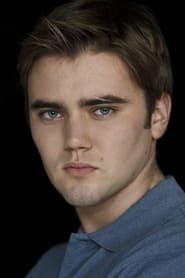
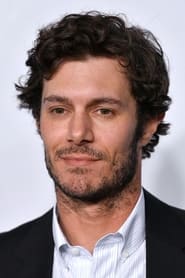
Young Cameron Bright holds his own as Nick's son Joey. His deadpan 'So you're saying smoking saves lives?' during their road trip debate lands exactly right. The kid actors in Adam Brody's journalist scenes don't fare as well — their line readings feel a bit stiff.
Character Psychology
Nick wants to win every argument and protect his lucrative gig. What he needs is to reconcile his professional persona with being a role model for his son. The brilliance is that he almost gets there without ever fully compromising — he's too good at his own game.
That scene where he teaches Joey to argue both sides of any issue reveals everything: Nick's proud of passing on his skills, but can't see he's creating a monster.
Themes & Emotional Depth
This isn't really about tobacco — it's about how America sells its soul one rationalization at a time. The 'Merchants of Death' scenes lay it bare: we'll debate anything except the system that lets industries profit from destruction.
What stayed with me after the credits was Nick's speech about choice. The film lets him be right about personal freedom while still showing how empty that freedom becomes when it's just marketing copy.
Memorable Scenes & Dialogue
The 'Merchants of Death' lunch is comedy gold. Three lobbyists comparing mortality statistics like baseball averages works because of the actors' commitment — they play it totally straight, like this is just another business meeting.
Nick's TV appearance where he spins a teen's smoking-related death into an anti-elitism argument is horrifying and hilarious. Eckhart's gradual shift from somber to triumphant shows exactly how manipulation works.
The Hollywood pitch meeting scene, where Nick suggests having astronauts smoke in space, kills me every time. The studio exec's gradual realization that this might actually work is perfectly timed.
The Ending — Does It Deliver?
The final confrontation with the senator pays off every thread beautifully. It's not some grand redemption — Nick stays true to character while still finding a way to 'win' that feels earned. I wasn't expecting much from the political angle early on, but the resolution lands perfectly.
That last shot of Nick and Joey? It leaves you unsettled in the best way. You realize the kid might grow up to be even better at this game than his dad.
What Works
Eckhart's performance makes an unlikeable character compulsively watchable. The script's balance of wit and moral complexity — especially in the father-son scenes — gives the comedy real weight. Reitman's direction finds visual interest in what could have been just talking heads. That Hollywood pitch scene alone justifies the runtime.
Honest Criticism
The journalist subplot feels undercooked — we never quite buy her sudden moral crisis. Some of the Washington scenes play too broadly compared to the rest of the film's sharp tone. The product placement jokes (ironic given the subject) haven't aged well.
How It Compares
It's sharper than Wag the Dog in its media satire, but lacks that film's urgency. Compared to Reitman's later work like Up in the Air, this feels more daring — he hadn't yet learned to soften his edges. The closest cousin might be In the Loop, though Thank You for Smoking is less frantic and more character-driven.
Legacy & Cultural Impact
The film made just $39 million worldwide but became a cult favorite on DVD. It won Reitman immediate attention, leading directly to Juno. The Hollywood Reporter called it 'the best satire since Election' — high praise that still holds up. Nearly twenty years later, its take on spin culture feels more relevant than ever.
Behind the Scenes
Christopher Buckley's original novel had a darker ending that was changed for the film. The role of Joey was almost given to a more famous child actor before Reitman insisted on Bright. All the cigarette brands shown are fictional to avoid legal issues.
Who Should Watch It?
If you enjoy smart, cynical comedies about flawed people, this is essential viewing. Those who need clear moral lessons or likable protagonists should look elsewhere.
Final Verdict
Thank You for Smoking earns its 8.2 rating by being funnier and smarter than 90% of political satires. Eckhart's performance alone makes it worth watching, but the film's lasting power comes from how it makes you complicit in Nick's games. Seventeen years later, its take on spin culture cuts even deeper.
More details, ratings, and cast information on IMDb, TMDB, Wikipedia. YouTube