- 1Movie Overview
- 2Direction & Cinematography
- 3Cast & Performances
- 4Character Psychology
- 5Themes & Emotional Depth
- 6Memorable Scenes & Dialogue
- 7The Ending — Does It Deliver?
- 8What Works
- 9Honest Criticism
- 10How It Compares
- 11Legacy & Cultural Impact
- 12Behind the Scenes
- 13Who Should Watch It?
- 14Final Verdict

- Genre: Action, Thriller
- Director: Antoine Fuqua
- Year: 2013
- Runtime: 2h 0m
- Language: English (EN)
- TMDB Rating: ⭐ 6.4/10
Movie Overview
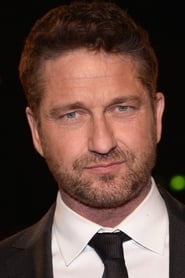
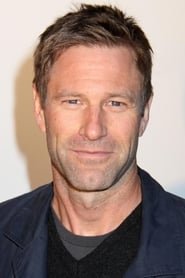
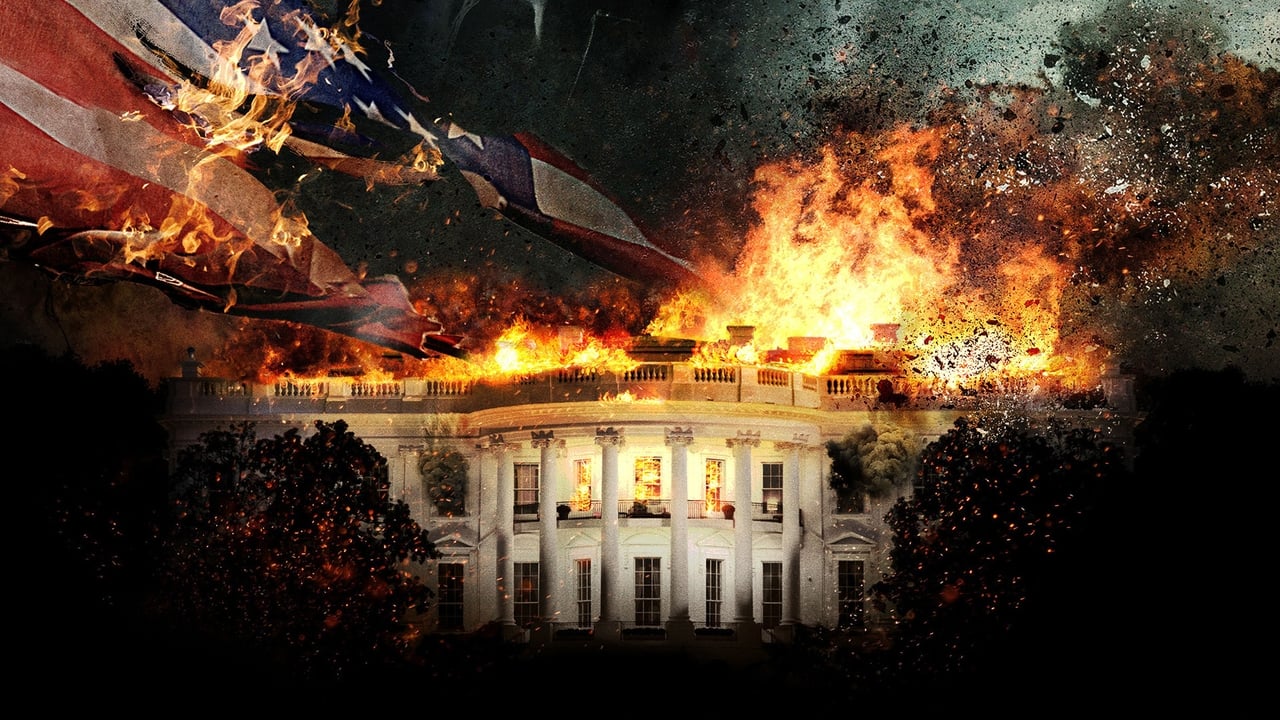
Mike Banning (Gerard Butler) is a Secret Service agent haunted by failing to save the First Lady during an accident. Eighteen months later, he's stuck behind a desk when North Korean terrorists launch a coordinated attack on the White House. President Asher (Aaron Eckhart) is taken hostage, and Banning becomes the only man inside the overrun building.
The film wastes no time—within 20 minutes, attack helicopters are blowing holes in the White House facade. What surprised me most was how quickly the film establishes stakes: the South Lawn massacre feels shockingly brutal for a mainstream action movie. Banning moves through ventilation shafts and secret passages, picking off terrorists while the Cabinet (including a steely Angela Bassett) debates nuclear retaliation outside.
A subplot involving the President's young son Connor (Finley Jacobsen) hiding in the White House adds tension, though that storyline leans too hard on kid-in-peril clichés. The real pulse of the film is Banning's gory, one-man war against Kang (Rick Yune), the terrorist leader with a personal vendetta against America.
By the final act, the body count rivals a Rambo film. I kept waiting for the film to pull its punches—it never does.
Direction & Cinematography
Antoine Fuqua directs with the same blunt force he brought to Training Day. The opening White House assault is shot like a war film—steady camerawork showing the scale of destruction, then tight close-ups of blood splattering on marble floors. What stayed with me after the credits was how Fuqua frames the terrorists' advance: they move through the building like SWAT teams, not cartoon villains.
But the film struggles with tone. Scenes of Banning snapping necks in shadowy corridors clash with melodramatic speeches about American resilience. Fuqua can't quite decide if this is a gritty thriller or a patriotic spectacle.
On rewatch, I noticed how often Fuqua uses the White House itself as a character. The Lincoln portrait covered in bullet holes, the Oval Office desk used as cover—these details ground the absurd premise in something tactile.
Cast & Performances
Gerard Butler commits fully to Banning's physicality—his fighting style is all elbows and desperation, not polished martial arts. When he growls 'Let's play a game of fuck off' before shooting a terrorist point-blank, it's the perfect mix of menace and dark humor. That line reading alone justifies his casting.
Aaron Eckhart plays the captured President with surprising dignity. His best moment comes during an unbroken take where Kang forces him to recite a humiliating confession—Eckhart's face shows the exact second his character decides to resist.
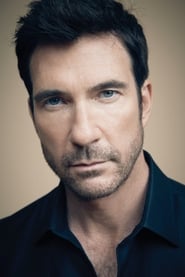
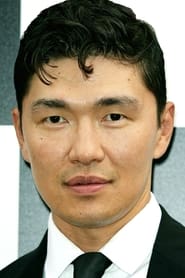
Rick Yune's Kang is more interesting than most action villains, but the script gives him clunky exposition about Korean War atrocities. Dylan McDermott's turn as a suspicious Secret Service agent feels underdeveloped—his character's arc could've been cut entirely.
Character Psychology
Banning wants redemption for failing the First Lady. What he needs is to prove he can protect someone when it matters most—not just follow orders.
The President's son Connor represents that second chance. Their reunion in the bunker works because Butler plays it quietly—no grand speech, just a relieved hug.
Themes & Emotional Depth
This is ultimately about institutional failure. The White House's high-tech defenses crumble under old-fashioned violence, while politicians dither about protocol. The film's cynical view of bureaucracy shows in small moments—like when a general hesitates to send troops because he lacks 'proper authorization.'
Banning succeeds precisely because he operates outside the system. The film both celebrates and questions that American myth of the lone hero.
Memorable Scenes & Dialogue
The South Lawn massacre stands out for its sudden brutality. Civilians and Secret Service agents are mowed down in daylight—no slow-motion, just chaotic gunfire. It works because Fuqua holds wide shots long enough to show the scale of carnage.
Kang's introduction is another highlight. He enters the Oval Office calmly wiping blood off his glasses, establishing him as a villain who relishes control. Yune plays the scene with unsettling stillness.
The Ending — Does It Deliver?
The final confrontation between Banning and Kang delivers exactly what the film promises—a no-holds-barred fistfight in the ruins of the White House. It's earned by Banning's gradual physical deterioration throughout the film (he's limping badly by this point).
What surprised me was the emotional resolution. Instead of triumphant fanfare, the ending lingers on Banning's exhausted face. He won, but the cost is written in his bruises.
What Works
The action sequences are brutally efficient—especially the initial assault, which wastes no time establishing the terrorists as legitimate threats. Butler's physical performance sells Banning as a battered but relentless fighter. The production design deserves credit too: the White House never feels like a generic action set, with real care put into recreating famous rooms.
Honest Criticism
The political subplots drag whenever Banning isn't on screen. Scenes of cabinet members debating feel like padding between action beats. Morgan Freeman's Vice President is particularly underwritten—he exists mostly to deliver exposition about nuclear codes. The film also overuses slow-motion during emotional moments, undercutting its otherwise gritty tone.
How It Compares
This shares DNA with Die Hard (trapped hero) and Air Force One (Presidential thriller), but it's far more violent than either. Where those films balance humor with tension, Olympus Has Fallen leans into grim brutality.
Compared to later White House siege films like White House Down, Fuqua's version feels less cartoonish. The violence here has weight—bullets kill in one shot, and heroes don't walk away unscathed.
Legacy & Cultural Impact
The film was a surprise hit, grossing $170 million worldwide against a $70 million budget. It spawned two sequels (London Has Fallen, Angel Has Fallen), though neither matched the original's impact.
Critics were divided—the Rotten Tomatoes score sits at 48%, but audiences gave it a 73%. That split reflects the film's priorities: it delivers action first, nuance second.
Behind the Scenes
- The White House interiors were built on soundstages in Louisiana, with historians consulting on accurate details like the Oval Office rug pattern.
- Butler did most of his own stunts, including a 30-foot fall onto airbags during the opening bridge sequence.
- The script was originally titled 'Black Christmas' and envisioned as a holiday-themed thriller.
Who Should Watch It?
Fans of hard-R action films will love this—it's Die Hard with higher stakes and more blood. Viewers who prefer character-driven stories or subtlety should steer clear. This is a meat-and-potatoes action flick, unashamed of its genre roots.
Final Verdict
Olympus Has Fallen earns its 3.5-star rating by delivering exactly what it promises: a no-nonsense, high-body-count thriller. The action is visceral, the pacing relentless, and Butler makes a compelling broken hero. It's not deep, but it's brutally effective. Watch it for one of the most intense White House sieges ever put on film.
More details, ratings, and cast information on IMDb, TMDB, Wikipedia. YouTube