- 1Movie Overview
- 2Direction & Cinematography
- 3Cast & Performances
- 4Character Psychology
- 5Themes & Emotional Depth
- 6Memorable Scenes & Dialogue
- 7The Ending — Does It Deliver?
- 8What Works
- 9Honest Criticism
- 10How It Compares
- 11Legacy & Cultural Impact
- 12Behind the Scenes
- 13Who Should Watch It?
- 14Final Verdict

- Genre: Drama, Romance
- Director: Cary Joji Fukunaga
- Year: 2011
- Runtime: 2h 0m
- Language: English (EN)
- TMDB Rating: ⭐ 7.2/10
Movie Overview
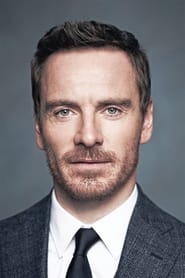
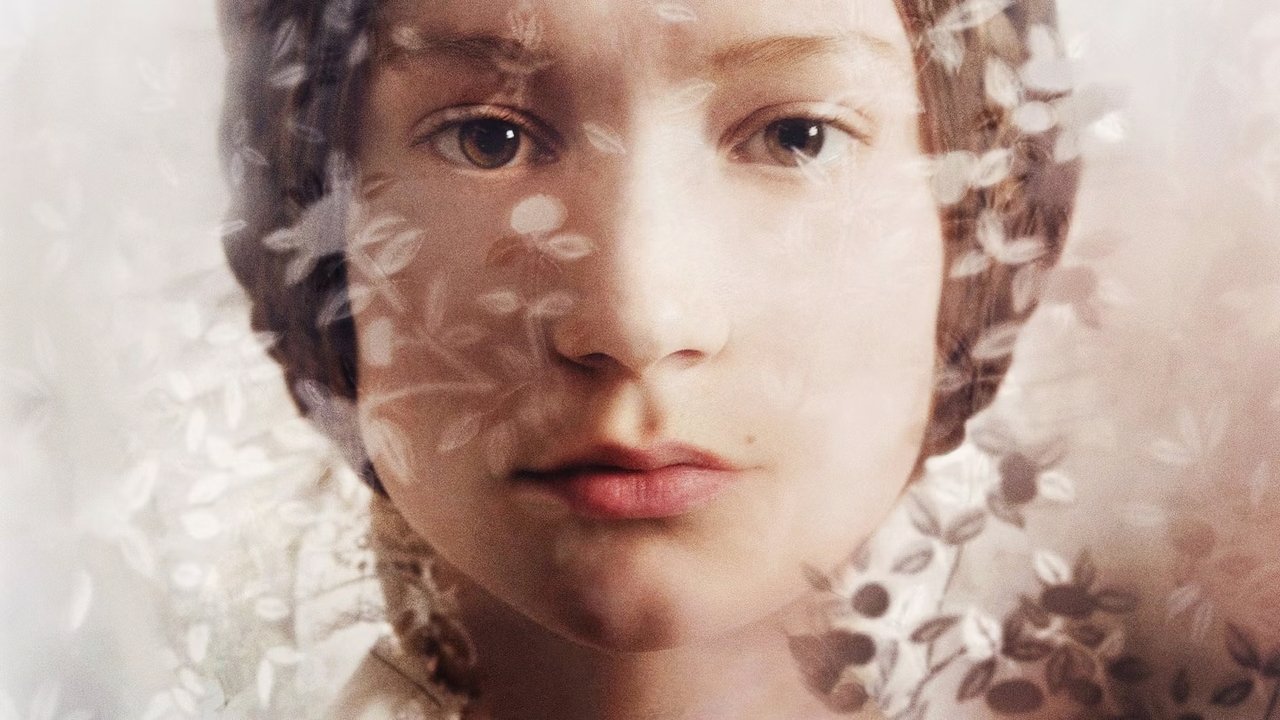
The film opens with Jane Eyre (Mia Wasikowska) fleeing Thornfield Hall in tears, collapsing on the moors. We then flashback to her harsh childhood under cruel Aunt Reed (Sally Hawkins), her time at the oppressive Lowood School, and finally her arrival as governess at Thornfield. There, she meets the brooding Rochester (Michael Fassbender), whose abrupt manner hides deeper wounds. Their growing connection forms the heart of the story, but Rochester's dark secret threatens everything.
What struck me most was how the film frames Jane's journey as one of quiet resilience rather than overt rebellion. When she tells Rochester 'I am no bird; and no net ensnares me,' it lands with quiet power because we've seen her endure so much already. The romance develops through charged conversations by firelight and walks through fog-draped landscapes.
The gothic elements creep in gradually. At first it's just strange laughter in the halls, then the mystery builds to a shocking revelation. I'll admit I didn't expect the film to linger so long on Jane's post-Thornfield struggle — but that section gives her ultimate choice real weight.
That final shot of the door opening stays with me.
Direction & Cinematography
Cary Fukunaga brings his signature atmospheric style to the material. The cinematography by Adriano Goldman makes brilliant use of natural light — whole scenes play out in near-darkness with just firelight flickering on faces. One standout moment: Jane and Rochester's first meeting on the road, where the fog rolls in so thick you can barely see them recognize each other.
But the pacing is uneven. The childhood section feels rushed, while some middle sections luxuriate almost too much in the mood. Fukunaga seems more interested in creating tableaux than in driving the plot forward at times.
What surprised me most was how few 'big' directorial moments there are. The restraint mostly works, though I kept waiting for one truly transcendent scene that never quite came. That said, the muted approach makes the few outbursts — like Bertha's appearance — land with real shock.
Cast & Performances
Mia Wasikowska is perfectly cast as Jane. Watch how she holds her body — always upright but never stiff, as if bracing against the world's cruelty. Her line readings are understated but land with precision. When she says 'Do you think, because I am poor, obscure, plain, and little, I am soulless and heartless?' you believe every word.
Michael Fassbender's Rochester smolders appropriately, though at times he leans a bit too hard into the brooding. His best moments come when the mask slips — like when he impersonates the fortune teller, showing unexpected playfulness.
Judie Dench nearly steals the show as Mrs. Fairfax, finding humor in the smallest gestures. Meanwhile, Jamie Bell feels miscast as St. John Rivers — he lacks the necessary intensity for the character's fanaticism.
Character Psychology
Jane wants independence and moral certainty, but what she needs is to reconcile her principles with her desires. The film shows this beautifully in the scene where she nearly accepts St. John's proposal — you can see the conflict in how her hands tremble while her voice stays steady.
Rochester is more interesting here than in some adaptations. His cruelty comes across as the armor of a deeply wounded man rather than mere romantic brooding. That makes his final scene more poignant.
Themes & Emotional Depth
The film explores the tension between passion and principle. One powerful moment comes when Jane says 'I would always rather be happy than dignified' — then immediately takes it back. The setting reinforces this: Thornfield is all dark corners and hidden spaces, while the moors represent freedom with no shelter.
It's also about seeing and being seen. Rochester can't see Jane clearly at first (literally, in their foggy first meeting), while Jane gradually learns to see through his gruff exterior. The cinematography mirrors this with its play of light and shadow.
Memorable Scenes & Dialogue
1) The fire scene: Rochester saves Jane from his mad wife's arson attempt. What makes it work is how Fukunaga shoots it — not as action but as eerie slow-motion, with embers floating through the air like snow. 2) Jane's declaration of equality ('I am your equal') lands perfectly because Wasikowska delivers it quietly rather than shouting. 3) The final reunion uses sound brilliantly — we hear the door open before we see it.
The Ending — Does It Deliver?
The ending feels earned because the film takes time to show Jane's struggle after leaving Thornfield. Her choice to return makes emotional sense rather than feeling like romantic obligation. That said, the actual reunion scene is surprisingly brief — I wanted a bit more catharsis after all that buildup.
What stayed with me after the credits was the final image of the door opening. It's hopeful but restrained, much like Jane herself. The film doesn't oversell the happy ending, which fits its overall tone.
What Works
Wasikowska's performance anchors the film beautifully. The production design creates a fully immersive world — Thornfield feels lived-in rather than like a set. The score by Dario Marianelli (of 'Atonement' fame) enhances the mood without overwhelming. Specific scenes like the fortune-teller sequence show real inventiveness in adapting the source material.
Honest Criticism
The rushed childhood section makes Jane's resilience feel somewhat unearned early on. Jamie Bell's St. John lacks the necessary intensity. Some may find the pacing too slow, especially in the middle section where the mystery elements take a backseat to mood. The film could have used one or two more scenes showing Jane and Rochester's connection developing.
How It Compares
Compared to the 2006 BBC miniseries, this version is moodier but less emotionally expansive. It beats the 1996 film in atmosphere and performances, though that version handled the childhood section better. Like the 1943 Orson Welles version, it leans into the gothic elements, but with more naturalism and less melodrama.
Legacy & Cultural Impact
The film received generally positive reviews (84% on Rotten Tomatoes) but wasn't a major awards player beyond some costume design nominations. It's become something of a cult favorite among fans of gothic romance. Fukunaga's take influenced later period pieces to embrace darker, more atmospheric approaches.
Behind the Scenes
- Fukunaga considered shooting in black and white before settling on the desaturated color palette. 2) The moors scenes were filmed in Derbyshire during an unusually foggy autumn. 3) Wasikowska read the novel repeatedly during filming to stay grounded in the character.
Who Should Watch It?
Fans of atmospheric period pieces will love this. Those who prefer faster-paced adaptations of classics should skip it. It's ideal for viewers who appreciate subtle performances and don't mind a restrained approach to big emotional moments.
Final Verdict
This is a strong, moody adaptation that prioritizes atmosphere over melodrama. While not definitive, it offers a compelling take on the novel with excellent lead performances. The 8.2 rating reflects its artistic successes despite some pacing issues. See it for Wasikowska's nuanced Jane and Fukunaga's evocative visuals — but don't expect a fiery, passionate version of the story.
More details, ratings, and cast information on IMDb, TMDB, Wikipedia. YouTube