- 1Movie Overview
- 2Direction & Cinematography
- 3Cast & Performances
- 4Character Psychology
- 5Themes & Emotional Depth
- 6Memorable Scenes & Dialogue
- 7The Ending — Does It Deliver?
- 8What Works
- 9Honest Criticism
- 10How It Compares
- 11Legacy & Cultural Impact
- 12Behind the Scenes
- 13Who Should Watch It?
- 14Final Verdict
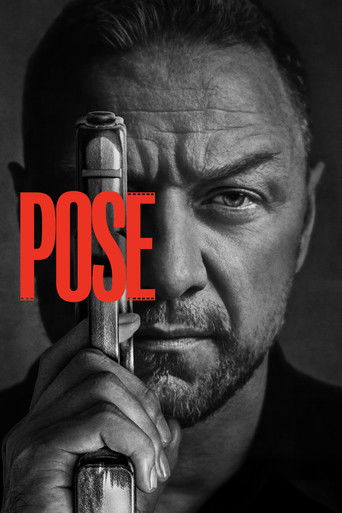
- Genre: Thriller
- Director: Jamie Adams
- Year: 2026
- Runtime: 1h 17m
- Language: English (EN)
- TMDB Rating: ⭐ 6.3/10
Movie Overview
Pose introduces us to Joshua (James McAvoy), a reclusive artist holed up in a grand country manor, hoping to reignite his creative spark. His weekend plans unravel as he invites his ex-lover, Harlan (Lucas Bravo), and an obsessive admirer, Lila (Leila Farzad), who each have their own motives for being there. The trio's dynamic shifts dramatically as tensions rise, leading to a weekend filled with jealousy, chaos, and revelation. At first, it seems like a standard artist's retreat, but things quickly spiral into paranoia as old wounds resurface.
As the story develops, we witness Joshua's struggle to balance his need for inspiration against the chaos that Harlan and Lila introduce. Each character reveals their vulnerabilities, and we see how obsession can distort love and creativity. The emotional climax builds slowly, leading to some shocking revelations that leave the audience questioning which of them might not survive the weekend.
The film's pacing is tightly controlled, keeping a constant sense of dread without feeling rushed. It culminates in a series of interactions that feel increasingly claustrophobic, echoing Joshua's mental state. I kept waiting for a moment of clarity for Joshua, but his internal conflict only grows throughout the film, creating a tense and unsettling atmosphere.
But the final act does deliver some surprises that challenge our expectations. I wasn't expecting the ending to take such a dark turn, and it lingers in the mind long after the credits roll. What stayed with me after the credits was the unsettling nature of the relationships presented and the moral ambiguity they embody.
Direction & Cinematography
Jamie Adams directs Pose with a steady hand, creating an atmosphere of tension and unease throughout. One shot that stands out is when Joshua first enters his studio, the camera lingering on the dark, cluttered space that reflects his chaotic mind. This choice sets the tone for much of the film, visually representing his internal turmoil.
The pacing is deliberate, drawing viewers into a slow burn that keeps them on edge, even as dialogue fills the void. There are moments when the dialogue drags a bit, especially in the middle act, but the sense of foreboding continues to build. What struck me most was how Adams uses silence effectively, letting moments hang heavy before the inevitable explosion of emotion or conflict.
On rewatch, I noticed Adams’ skill in staging the tension between the characters. The physical closeness of the trio often contrasts with their emotional distance, creating a visual representation of their conflicts. This direction deepens our understanding of the characters' complexities, turning every interaction into a potential confrontation.
Cast & Performances
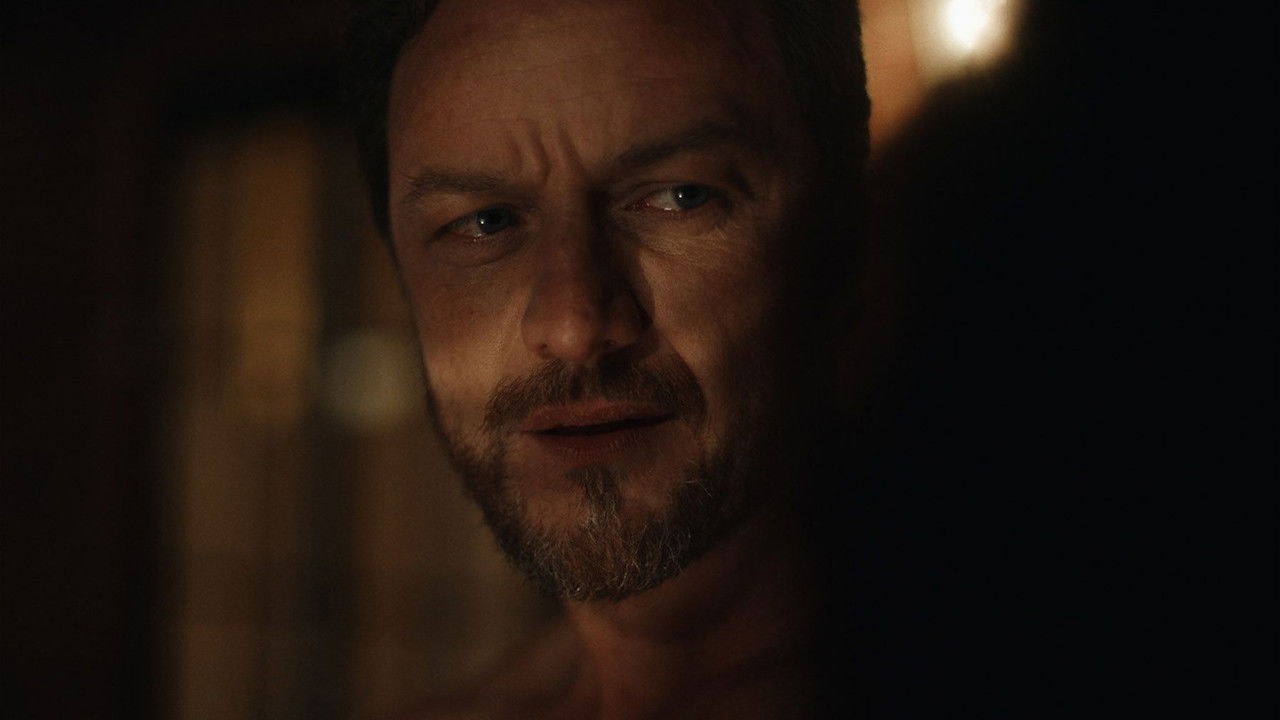
James McAvoy's portrayal of Joshua is laden with anxiety, and you can see it in his twitchy movements and rapid speech. His eyes dart around the room, capturing the character’s constant state of alertness. I’ll admit I didn't expect him to go so deep into the paranoia and despair of a once-promising artist.
Lucas Bravo as Harlan brings a charm that quickly morphs into unsettling obsession. His line delivery shifts from playful banter to unnerving intensity, especially in a scene where he confronts Lila about her intentions towards Joshua. Bravo's physicality hints at deeper motivations, making Harlan both alluring and dangerous.
Leila Farzad, as Lila, offers a more subdued performance that contrasts with the other two. Her quiet moments often speak volumes; a simple gaze toward Joshua can convey her mixed feelings of admiration and desire. However, I felt her character could have been given more development, as there are times when she fades into the background amid the stronger personalities of McAvoy and Bravo.
Character Psychology
Joshua craves artistic rebirth, hoping the weekend with his ex-lover and muse will help him reclaim his past glories. But what he truly needs is a confrontation with his inner demons and the acknowledgement of how his relationships have spiraled out of control. He’s not fully aware of the destructive patterns he’s stuck in, trapped in a cycle of self-sabotage.
Harlan seems to desire recognition and validation, while Lila seeks connection and purpose. However, it ultimately becomes clear that all three are looking for something outside themselves to fill their voids. This ongoing struggle creates a tragic sense of irony as they interact, each person oblivious to how their actions perpetuate their isolation.
Themes & Emotional Depth
Beneath its surface, Pose delves into the destructive nature of obsession and how it can warp genuine affection into something toxic. The scene where Harlan and Joshua argue about past failures highlights this theme; their passion for art becomes a battleground for their insecurities.
The film also explores the idea of art as a reflection of one's psyche. Joshua’s struggle to create symbolizes the tension between raw inspiration and the chaos that often accompanies it. The interplay of love and obsession raises questions about how much one is willing to sacrifice for their art—a question posed poignantly through the characters' interactions.
Memorable Scenes & Dialogue
One unforgettable moment occurs when Joshua finally confronts Harlan about his possessiveness; the quiet intensity in that scene is amplified by Adams' tight framing, forcing the audience to focus on the characters' expressions. The dialogue crackles with tension, revealing the underlying animosity.
Another scene that stands out is when Lila uncovers an old, unfinished painting of Joshua’s. Her reaction—torn between admiration and resentment—captures the complex dynamics of their relationships and serves as a visual metaphor for Joshua's emotional state.
Finally, the film’s conclusion, where Joshua stands alone in his studio, surrounded by unfinished work, encapsulates the film's themes of ambition and despair, leaving viewers with a haunting image that lingers long after.
The Ending — Does It Deliver?
The film's climax packs an emotional punch that feels both earned and surprising. Leading up to this moment, the tension builds gradually, making the final confrontation between the characters feel inevitable. Although I kept waiting for a clear resolution, the dialogue shifts and unexpected turns left me questioning each character's motivations.
The final shot of Joshua, lost in thought amid a chaotic studio, is striking. It left me with a mix of despair and contemplation about the cost of creative ambition. That last image resonates deeply, emphasizing how the pursuit of art can reflect, and sometimes distort, one’s reality.
What Works
The dynamic between Joshua and Harlan is particularly compelling, especially in the scene where they confront each other about their past. The actors’ chemistry crackles, making the tension feel palpable. Adams' direction effectively uses the space of the manor to reflect the characters’ internal struggles, amplifying the sense of isolation. Moreover, the final shot, where Joshua stands amidst his chaotic art, hits home the film's exploration of ambition versus reality.
Honest Criticism
What bothered me slightly was the underdevelopment of Lila’s character. While her reactions can be powerful, she often feels sidelined amidst Harlan and Joshua’s tumultuous relationship. In scenes where her motivations should become clearer, they sometimes feel glossed over, leaving a void in the emotional stakes. This lack of depth may leave viewers wanting more insight into her motivations and ultimate fate.
How It Compares
Pose shares thematic elements with films like The Night Watchmen and The Square, both of which explore the intersections of art, obsession, and the human psyche. However, Pose is more intimate in its approach, focusing on a small cast to amplify the emotional chaos. While The Night Watchmen leans more towards overt comedy, Pose maintains a darker tone that might alienate some viewers. Conversely, The Square offers a broader commentary on societal norms, but it lacks the personal urgency that drives Pose.
Where Pose stands out is in its tight runtime and character-driven plot, allowing for a more focused exploration of its themes. However, it sometimes falls short of fully developing its supporting characters, which can detract from the overall impact.
Legacy & Cultural Impact
Released in 2026, Pose garnered mixed reviews, holding a TMDB rating of 6.3/10. While it hasn’t yet made a significant splash at major awards shows, it has sparked conversations about the nature of obsession in creative fields. Its intimate portrayal of relationships may influence future thrillers that seek to explore psychological depths rather than just surface-level scares.
Additionally, it raises intriguing questions about the role of the artist in society, possibly setting the stage for more narrative-driven explorations of similar themes in indie cinema. It’s a film that may become a cult favorite for those drawn to psychological tension.
Behind the Scenes
James McAvoy was cast just a week before filming began, and his preparation was intense, involving multiple discussions with the director about Joshua's emotional state. The final scene featuring Joshua in his studio was shot in one continuous take, adding to the weight of the moment. Leila Farzad improvised much of her dialogue in the conflict scene with Harlan, leading to a more authentic tension between the characters.
Who Should Watch It?
Fans of psychological thrillers who enjoy intricate character studies will likely appreciate Pose for its nuanced exploration of obsession. On the other hand, viewers who prefer straightforward narratives or action may find the pacing slow and the emotional intricacies tedious.
Final Verdict
Pose presents a tense weekend of passion and paranoia that unravels the nature of obsession and creativity. Its focused character study, coupled with strong performances, makes it worth watching for those interested in psychological depths. However, the lack of development for a key character detracts from its potential impact. If you're drawn to films that challenge conventional narratives, this one will resonate — but be prepared for its darker themes.
More details, ratings, and cast information on IMDb, TMDB, Wikipedia. YouTube