- 1Movie Overview
- 2Direction & Cinematography
- 3Cast & Performances
- 4Character Psychology
- 5Themes & Emotional Depth
- 6Memorable Scenes & Dialogue
- 7The Ending — Does It Deliver?
- 8What Works
- 9Honest Criticism
- 10How It Compares
- 11Legacy & Cultural Impact
- 12Behind the Scenes
- 13Who Should Watch It?
- 14Final Verdict
- Genre: Action, Thriller, Science Fiction
- Director: George Miller
- Year: 1979
- Runtime: 1h 31m
- Language: English (EN)
- TMDB Rating: ⭐ 6.7/10
Movie Overview
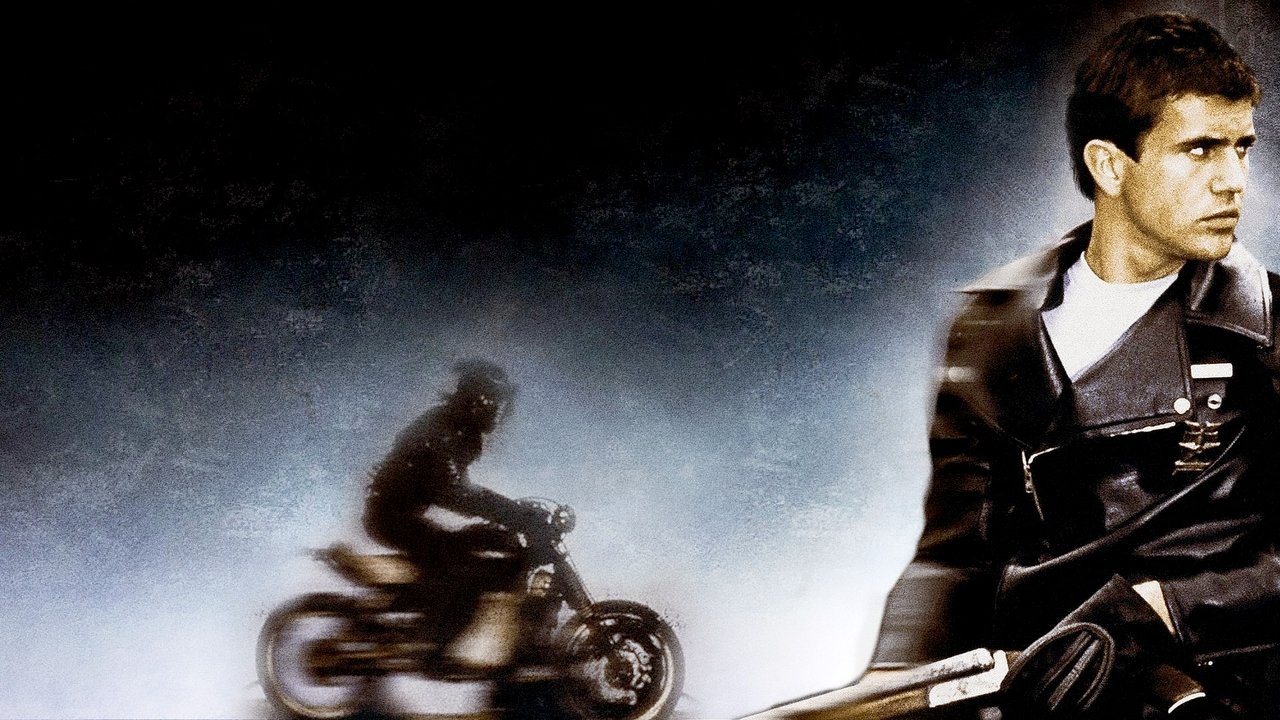
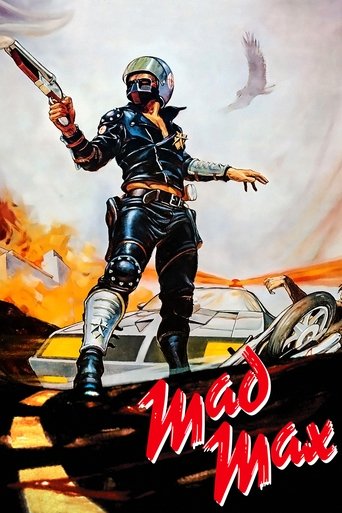
Mad Max opens in a bleak future where a motorcycle gang reigns terror over the sparse remnants of civilization. Max Rockatansky, played by Mel Gibson, is a patrol officer grappling with a crumbling society and an increasingly violent world. When the gang's brutality leads to personal tragedy, Max embarks on a revenge-fueled journey, showcasing a raw desperation that serves as his emotional core. The film contrasts Max's desire for justice against the chaotic lawlessness of the gang, building tension throughout its brief runtime.
As Max becomes less tethered to the ideals he once held, the film juxtaposes moments of intense action with brief glimpses of his human side. He shares quiet moments with his partner, Jessie, and their son, which amplify the stakes later when they become targets of the gang. The emotional arc is palpable: Max is driven not just by vengeance but by a need to protect what little he has left. His journey mirrors the existential struggle of a man trying to hold onto his humanity in the face of overwhelming brutality.
The escalating violence reaches a fever pitch as Max's confrontation with the gang culminates in a series of high-octane chase sequences that are both thrilling and chaotic. The film's pacing keeps the audience on edge, as each violent act builds toward a final showdown that feels both inevitable and necessary. Ultimately, Mad Max is not just about survival; it's a meditation on the costs of revenge and the fragility of civilization.
What surprised me most was how well the film balances its brutal action with quieter moments of character development. The film ends without a neat resolution, leaving viewers to ponder the cyclical nature of violence in this dystopian landscape. This blend of existential themes with visceral action creates a thought-provoking experience that lingers long after the credits roll.
Direction & Cinematography
George Miller's direction is sharp and unyielding, setting a tone that is both frantic and oppressive. One standout moment occurs early in the film: a long tracking shot follows a police car as it speeds through desolate landscapes, a stark reminder of a forgotten world. This choice not only establishes the setting but also reflects Max's isolation in a society that seems to be collapsing under its own weight. The camera often captures intense close-ups during chase sequences, allowing the audience to feel the adrenaline and chaos.
But it’s the pacing that really stands out. Miller employs a rhythm that oscillates between frenetic action and quiet introspection. I noticed how moments of calm, such as Max's interactions with his family, are strategically placed to deepen the impact of the subsequent violence. This push and pull keeps viewers engaged, heightening the emotional stakes as Max’s journey unfolds in increasingly dark directions.
The film’s tone shifts seamlessly, from moments of stark despair to adrenaline-pumping car chases. The final act, in particular, is a relentless barrage of speed and chaos that feels earned. Miller's ability to capture both the internal and external struggles of his characters speaks to his skill as a director, crafting a visceral, yet human story amid the madness.
Cast & Performances
Mel Gibson's portrayal of Max is raw and visceral, capturing the character's haunted past and inner turmoil. His subtle body language conveys a sense of weariness, punctuated by moments of explosive rage that feel primal. I’ll admit I didn't expect the depth he brought to the role, particularly in scenes where he silently grieves his loss, such as a heartbreaking shot of him staring blankly into the distance after a family tragedy.
Joanne Samuel's Jessie plays the nurturing foil to Max's hardened demeanor. Her performance shines in the quieter moments, especially when she expresses her fears about the world outside their home. In one scene, as she watches a gang approach, her panicked expression is a visceral reminder of the danger they face. It bothered me slightly that her character sometimes feels like a plot device rather than a fully realized person, reducing her agency.
Hugh Keays-Byrne stands out as the psychotic Toecutter, the gang leader. His over-the-top delivery in scenes where he taunts his enemies adds a layer of menace that underscores the film's tone. The way he flicks his hair back just before a violent encounter is an entertaining, if slightly comical, touch that contrasts with the otherwise bleak atmosphere of the film.
Character Psychology
Max wants revenge and justice on the surface, but what he really needs is to reclaim his sense of humanity amidst the chaos. He’s lost so much and is grappling with the weight of his choices, yearning for a world where he doesn't have to fight for survival. However, his descent into vengeance blinds him to the possibility of healing — he’s stuck in a cycle of violence.
Max doesn't really change by the end; rather, he becomes more entrenched in his violent identity. This lack of self-awareness serves as a grim reminder of how pain can lead to destruction, trapping him in a landscape that no longer holds any hope for redemption.
Themes & Emotional Depth
Mad Max delves into the consequences of societal collapse and the human response to chaos. A key scene is when Max witnesses the brutality of the gang firsthand, illustrating how violence breeds further violence — a commentary on the cyclical nature of retribution in a broken society. This theme resonates in a world where the law is consistently undermined, and survival takes precedence over morality.
Familial bonds also play a crucial role in the narrative. Max’s relationship with Jessie and their son is what he fights to protect, but the film interrogates whether he can truly save them when he is trapped in a world that constantly demands more violence. The opening scenes portray their family's fragility, establishing a heartbreaking contrast to the eventual terror they face.
Memorable Scenes & Dialogue
One standout scene occurs during Max’s first high-speed chase in the film. The way Miller orchestrates the chaos — with practical effects and real stunts — creates a palpable tension. Max's frantic driving, juxtaposed with the gang's relentless pursuit, encapsulates the film's tone perfectly, emphasizing the lawlessness of this world.
Another striking moment is the encounter between Max and Toecutter as they face off in a derelict wasteland. The intensity of their stares and the charged dialogue heightens the stakes of their confrontation. The craftsmanship lies in how both actors embody their characters' motivations, making the audience feel the weight of their rivalry.
Finally, the closing scene sticks with you — Max walking away from the camera, his figure swallowed by the wasteland. It’s a haunting visual that encapsulates his complete disconnection from the world he once knew, leaving viewers with a sense of unresolved tension.
The Ending — Does It Deliver?
The film's ending is earned, as it ties together Max's emotional journey with the escalating violence throughout the narrative. What surprised me was the lack of a traditional resolution; instead, it leaves Max in a state of turmoil, reflecting the film’s bleak outlook. The final shot of Max walking into the desolation carries a weight that lingers, evoking feelings of loss and disillusionment.
This lack of closure can be frustrating, but it's also fitting for a movie that questions what it means to survive in a world stripped of its humanity. The audience is left grappling with Max's choices and the implications of his violent path, making the end a thought-provoking conclusion rather than a neatly tied-up finale.
What Works
The gritty realism of Mad Max works exceptionally well, particularly in the chase sequences that Miller directs with an unflinching eye. The practical effects and stunt work, like the car flips and high-speed collisions, create a visceral sense of danger throughout the film. Mel Gibson’s layered performance grounds the action, giving weight to Max's journey as he navigates trauma and revenge. The film’s pacing cleverly balances moments of introspection with adrenaline-fueled chaos, keeping viewers invested in Max’s fate.
Honest Criticism
A specific flaw lies in the underdevelopment of some secondary characters, particularly Jessie, played by Joanne Samuel. While she serves as an emotional anchor for Max, her characterization often feels one-dimensional. There are moments where she has potential for deeper exploration, but the narrative largely sidelines her in favor of the more action-driven plot. This choice ultimately diminishes the impact of Max's loss, as we know little about her beyond her role as a mother and wife.
How It Compares
Comparing Mad Max to other entries in the action genre, films like The Road Warrior and even more recent efforts like Fury Road illustrate how Miller's vision has evolved. While Mad Max lays the groundwork for its successors, it lacks some of the visual flair seen in later films. However, it excels in creating a raw, gritty atmosphere that some modern action films gloss over with CGI effects.
In contrast to films like Death Race 2000, which embrace campy humor, Mad Max takes a more serious approach to its themes and character motivations. This earnestness makes it resonate more with viewers looking for substance rather than just entertainment.
Legacy & Cultural Impact
Mad Max premiered in 1979 and has since become a cult classic, influencing countless action films and establishing a franchise that includes sequels and remakes. It received mixed reviews initially but built a strong following over the years, proving its staying power in cinematic history.
The film is often credited with popularizing certain tropes within the post-apocalyptic genre. Its gritty aesthetic and focus on vehicular combat became foundational for later entries in the franchise and other films, such as The Terminator and Escape from New York. Its legacy is further solidified by its significant box office success, which was impressive given its modest budget.
Behind the Scenes
Mel Gibson was not the first choice for the role of Max; the producers initially considered other actors, but Gibson's audition ultimately secured him the part. The film was shot on a shoestring budget, leading to creative solutions for stunts and effects, such as using real cars and actual crashes rather than CGI. Interestingly, many of the chase sequences were filmed on locations that were previously used for Australian racing circuits, adding an authentic touch to the high-speed action.
Who Should Watch It?
Action enthusiasts who appreciate practical effects and gritty storytelling will likely love Mad Max. If you’re someone looking for character-driven narratives or a lighter tone, you might want to skip this one, as its bleak outlook and relentless violence can feel heavy at times.
Final Verdict
Mad Max is a groundbreaking piece of cinema that set the stage for future action films while delivering a raw, gripping story. While some character development falls short, the film's innovative stunts and Gibson's compelling performance make it worth watching. For those who enjoy brutal depictions of survival and chaos, this film is a must-see.
More details, ratings, and cast information on IMDb, TMDB, Wikipedia. YouTube