- 1Movie Overview
- 2Direction & Cinematography
- 3Cast & Performances
- 4Character Psychology
- 5Themes & Emotional Depth
- 6Memorable Scenes & Dialogue
- 7The Ending — Does It Deliver?
- 8What Works
- 9Honest Criticism
- 10How It Compares
- 11Legacy & Cultural Impact
- 12Behind the Scenes
- 13Who Should Watch It?
- 14Final Verdict
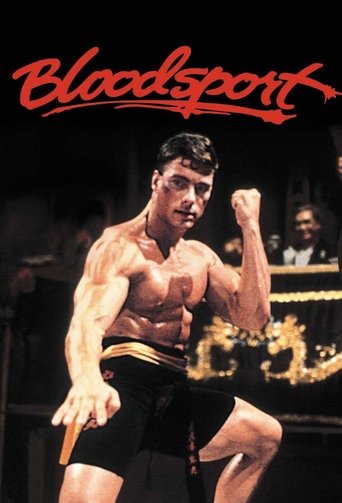
- Genre: Action, Thriller, Drama
- Director: Newt Arnold
- Year: 1988
- Runtime: 1h 32m
- Language: English (EN)
- TMDB Rating: ⭐ 7.0/10
Movie Overview
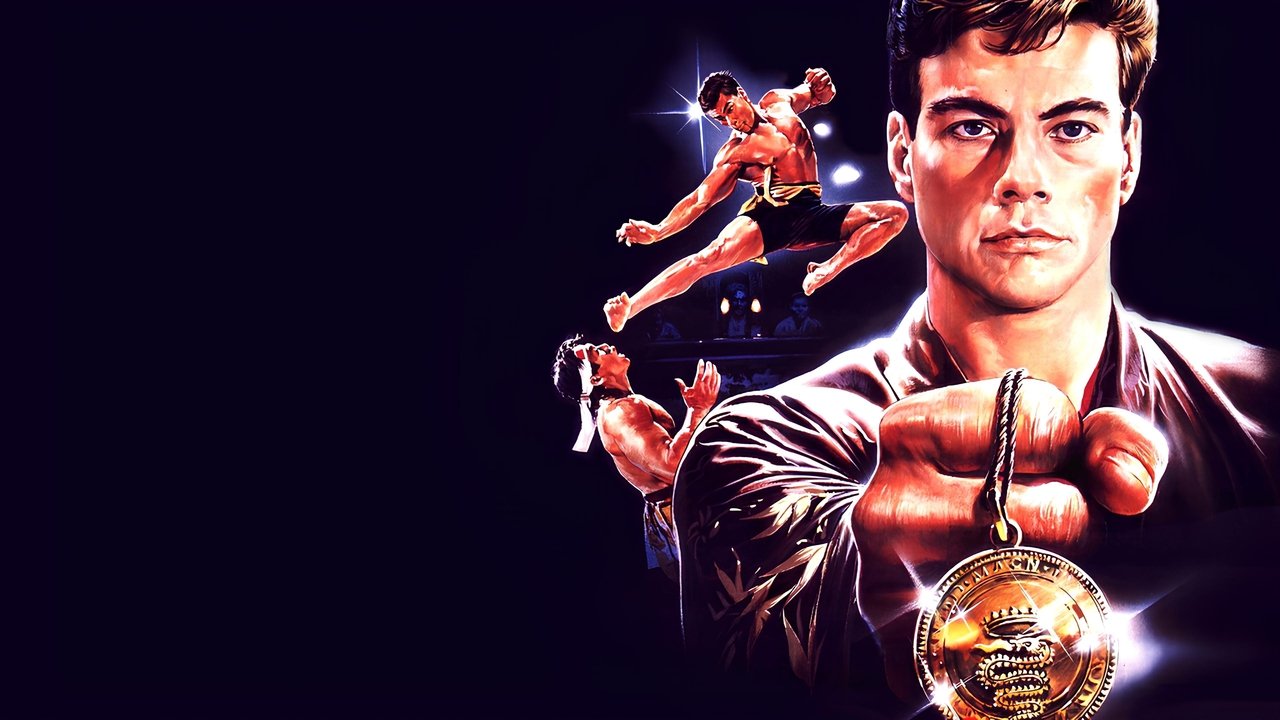
Bloodsport kicks off with Frank Dux, played by Jean-Claude Van Damme, an American Army Major who goes AWOL to compete in the secretive Kumite, a brutal martial arts tournament in Hong Kong. The stakes are high: not just personal glory, but also the chance to honor his mentor's legacy. Early on, we see Frank training, which establishes his dedication, but also his internal struggles with the decision to desert his post. His journey pushes him into conflict with a ruthless opponent, Chong Li, portrayed by Bolo Yeung, who embodies everything Frank's martial arts philosophy stands against.
As Frank navigates the cutthroat tournament, he encounters various fighters, including a comic relief character, Ray (Donald Gibb), who adds levity to the story. The camaraderie between Frank and Ray is genuine, making their banter enjoyable. However, the spotlight continually returns to the escalating tension between Frank and Chong Li, building anticipation for their final showdown. The conflict escalates as Frank deals with physical and emotional challenges that test his resolve.
What surprised me most was how Bloodsport seamlessly blends intense fight sequences with moments of personal reflection. Frank's character arc is compelling, where he goes from a soldier seeking glory to a fighter who understands the deeper meaning of honor and respect in martial arts. The emotional weight of this transformation is punctuated in key moments, especially when he doubts whether he's fighting for himself or for his mentor.
By the climax, Bloodsport presents a satisfying resolution that ties together Frank's journey and the relationships he forged throughout the tournament. The film doesn’t shy away from the consequences of Frank’s choices, leaving the viewer with a sense of fulfillment but also a reminder of the sacrifices made along the way.
Direction & Cinematography
Newt Arnold directs Bloodsport with a clear focus on showcasing the martial arts action while also injecting emotional beats. One standout shot occurs during a pivotal fight sequence where the camera captures the intensity of the fighters’ movements, utilizing close-ups that amplify the stakes. The pacing throughout the film is brisk, ensuring that the action never feels stale or repetitive. What struck me was how Arnold effectively uses slow-motion during key hits, allowing viewers to absorb the impact of each strike.
But it's not just action that Arnold captures well; the quieter moments also shine through, particularly in scenes where Frank reflects on his choices. The transitions between fight scenes and emotional beats are well crafted, shifting from adrenaline-fueled sequences to introspective character moments without feeling jarring. I noticed the structure emphasizes the importance of personal growth alongside physical triumph.
Arnold’s direction balances the fun of over-the-top martial arts with a more grounded emotional arc, making the film enjoyable for both action aficionados and casual viewers. This duality enhances the viewing experience, as it transforms what could have been a simple action film into something with a bit more depth.
Cast & Performances
Jean-Claude Van Damme brings a physicality to Frank Dux that's hard to ignore. His training scenes showcase not only his impressive martial arts skills but also a sense of innocence and determination. I'll admit I didn't expect his comedic timing to shine through during his interactions with Ray; they create a light-hearted dynamic that works well.
Donald Gibb as Ray adds essential comic relief, and his physical presence makes him a fun counterpart to Frank. In one memorable scene, he struggles to keep up with Frank's training, prompting laughter not just from the audience but from the characters themselves. Unfortunately, Gibb's characterization leans a bit too much into stereotype at times, which can be off-putting.
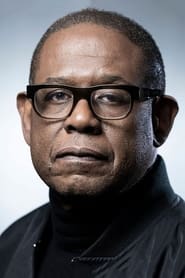
Forest Whitaker, in an early role as a journalist covering the Kumite, delivers a surprisingly nuanced performance. His reaction shots convey a mix of disbelief and admiration as he observes the unfolding chaos. It bothered me slightly that his character doesn’t get more screen time, as he adds a layer of authenticity to the world of underground fighting. His character felt underserved, especially given the strength of his performance.
Character Psychology
At the surface, Frank Dux wants to prove himself as a martial artist and honor his mentor's memory. But what he truly needs is to reconcile his identity as a soldier with his passion for martial arts. He struggles with the implications of his AWOL decision, ultimately grappling with whether his fight is for glory or something deeper.
While Frank does grow throughout the film, he remains somewhat naïve about the real consequences of his choices until the final fight. His journey reflects an internal conflict that resonates with many, leaving viewers to wonder if he’ll truly find the balance he seeks — or if he’ll remain lost in the machismo of the Kumite culture.
Themes & Emotional Depth
Bloodsport digs into themes of honor and the struggle for identity, particularly in the context of martial arts. For instance, Frank's dedication to his mentor shows a strong sense of loyalty that contrasts with the brutal environment of the Kumite. There’s a poignant moment when Frank recalls a lesson from his mentor about fighting for respect rather than just victory.
Additionally, the film explores the consequences of choices, as seen through various fighters who have their own motivations for competing. This speaks to a larger narrative about what it means to pursue one’s goals — the sacrifices involved and the personal costs that may not be immediately visible, especially when fighting for pride.
Memorable Scenes & Dialogue
One of the standout scenes occurs during the tournament's final match, where Frank faces Chong Li. The staging here is tight; the crowd’s cheers fade into the background as the intensity of their fight elevates. Van Damme’s physicality shines as he performs intricate martial arts moves, and the way Arnold captures the tension in every strike emphasizes the emotional stakes.
Another memorable moment comes earlier when Frank meets his mentor’s widow, who expresses her concerns about his safety. The emotional weight of this encounter is palpable, and it serves as a reminder of the stakes beyond the physical battles. This scene works because the audience is reminded that Frank's journey impacts real lives, deepening the narrative's emotional core.
The Ending — Does It Deliver?
The climax of Bloodsport is both thrilling and fulfilling, especially as it culminates in Frank's showdown with Chong Li. The buildup to this moment, marked by Frank's trials and the relationships he's built, makes the final fight feel earned. I wasn't expecting the emotional depth tied to the fight, and it adds a layer of satisfaction once the dust settles.
What stayed with me after the credits rolled was the sense of resolution in Frank's character arc. The final shot of him standing victorious, but contemplative, leaves viewers pondering the true cost of his victory. It’s a strong finish that provokes thought, even if the film's earlier moments were lighter.
What Works
Bloodsport excels in its action sequences, which are well-choreographed and thrilling to watch. The final fight between Frank and Chong Li is particularly noteworthy, showcasing both physical prowess and emotional stakes. Van Damme’s performance resonates through his physical choices, especially in moments of vulnerability that contrast with his formidable fighting skills. The camaraderie between Frank and Ray provides an enjoyable balance to the intense action, making those lighter moments feel genuine and earned.
Honest Criticism
The storyline stumbles in a few areas, particularly with the sidelining of Frank’s mentor’s arc. After being built up as a significant influence on Frank, he barely features after the initial scenes, which feels disappointing. This lack of payoff diminishes the emotional weight of Frank’s journey, making it feel less impactful than intended. There are also some characters that come off as one-dimensional, particularly the antagonists, who could have benefitted from more depth.
How It Compares
Bloodsport can be compared to films like The Karate Kid and Enter the Dragon. Where The Karate Kid focuses on a mentorship narrative, Bloodsport emphasizes the tournament aspect and the individual journey within a competitive setting. It wins in showcasing intense fight choreography and a mix of comedy and drama that keeps the pacing lively.
However, it falls short of the emotional weight found in The Karate Kid, which resonates more deeply with audiences due to its coming-of-age theme. Additionally, Enter the Dragon has a more complex storyline, while Bloodsport is straightforward and sometimes feels like it relies on tropes.
Legacy & Cultural Impact
Bloodsport has earned a cult classic status over the years, grossing around $50 million worldwide against a modest budget of $1.5 million. It didn’t receive significant awards recognition upon release, but it paved the way for van Damme’s career and popularized the martial arts film genre in the West. The film's influence can be seen in numerous action films that followed, establishing a template for tournament-style narratives.
The phrase 'Kumite' has since become synonymous with underground martial arts, a testament to the film's impact. It has sparked conversations around martial arts not just as combat, but as a respected discipline, resonating with audiences who appreciate the sport’s philosophy.
Behind the Scenes
Originally, the role of Frank Dux was offered to Chuck Norris, who turned it down. It’s also interesting to note that many of the fight scenes were choreographed by martial arts expert and actor, Simon Rhee, adding authenticity to the choreography. The iconic 'Mind Over Matter' scene was reportedly improvised by Van Damme, showcasing his creative input during filming.
Who Should Watch It?
Viewers who love martial arts films and action-packed narratives will likely enjoy Bloodsport. It's a great fit for fans of 80s action cinema who appreciate the genre's classic tropes. However, those looking for deep character development or a complex plot should probably skip it, as the film primarily focuses on the fight sequences over intricate storytelling.
Final Verdict
I’d recommend Bloodsport to anyone who enjoys a straightforward martial arts film with plenty of action. While it has some narrative weaknesses, the fight choreography and Van Damme's performance make it worth watching. If you're in the mood for a nostalgic action flick that doesn’t take itself too seriously, this film delivers.
More details, ratings, and cast information on IMDb, TMDB, Wikipedia. YouTube