- 1Movie Overview
- 2Direction & Cinematography
- 3Cast & Performances
- 4Character Psychology
- 5Themes & Emotional Depth
- 6Memorable Scenes & Dialogue
- 7The Ending — Does It Deliver?
- 8What Works
- 9Honest Criticism
- 10How It Compares
- 11Legacy & Cultural Impact
- 12Behind the Scenes
- 13Who Should Watch It?
- 14Final Verdict
- Genre: Horror
- Director: Michael Chaves
- Year: 2023
- Runtime: 1h 50m
- Language: English (EN)
- TMDB Rating: ⭐ 6.6/10
Movie Overview
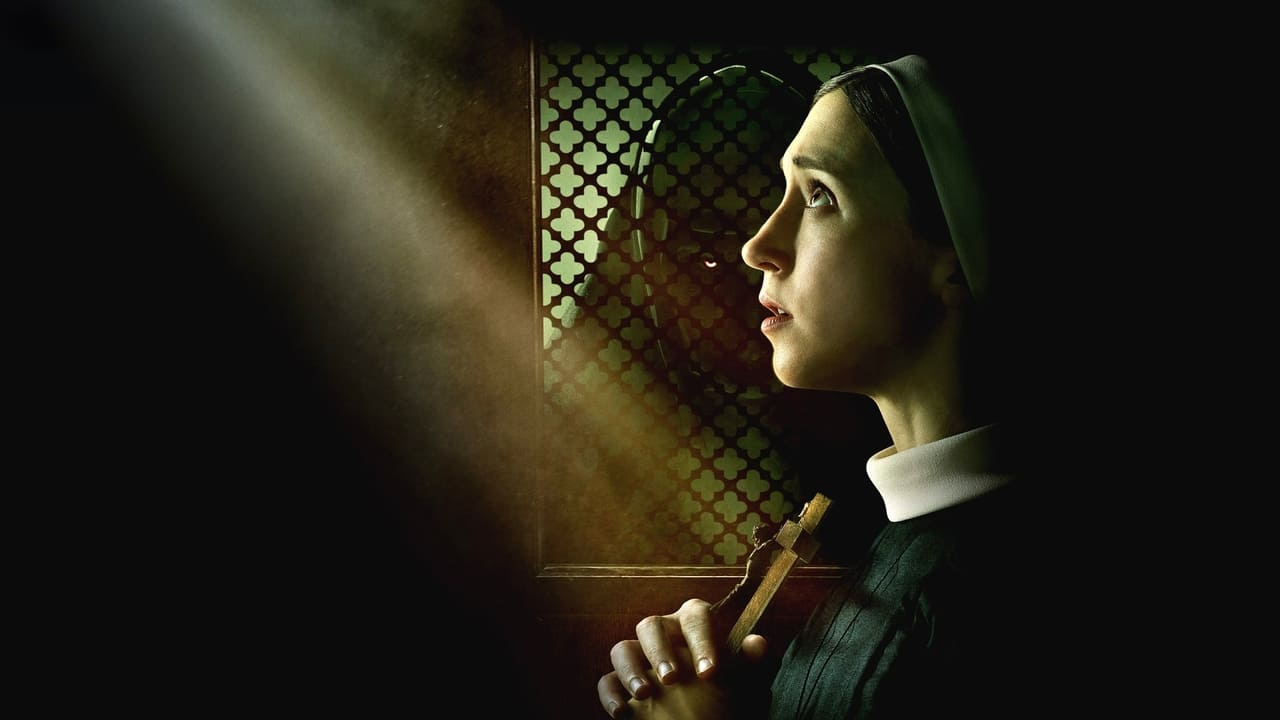
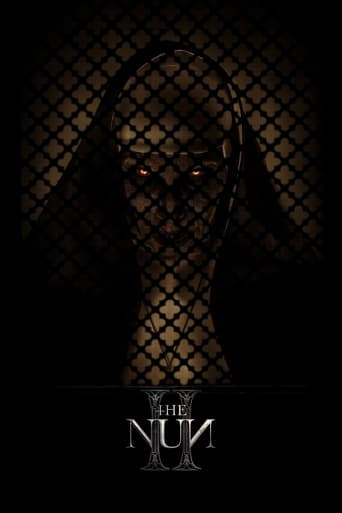
The Nun II opens in 1956 France with a shocking scene — a priest is brutally murdered in a church. As reports of the chilling event reach Sister Irene (Taissa Farmiga), she feels compelled to return to the abbey where she first encountered the demon Valak. Haunted by her last experience, Sister Irene's investigation leads her through dark corridors and disturbing revelations about her own faith and the nature of evil. Alongside the brave young student Sophie (Katelyn Rose Downey), Irene is thrust into a battle that blurs the line between faith and fear.
As they dig deeper, they discover the previous events at the abbey are not as resolved as they thought. The film builds tension through atmospheric settings, effectively using the somber landscapes of post-war France. I kept waiting for the tension to fully erupt, and it finally did during the mid-second act when the true nature of Valak's resurrection is revealed — showcasing the film’s dark heart. However, the pacing falters slightly when it lingers too long on subplots that feel more like filler.
The conflict escalates when Sister Irene confronts not only the demon but also her own doubts about faith and sacrifice. The emotional arc becomes most pronounced as the stakes rise; Irene is forced to confront the darkness within herself. What surprised me most was how she evolved from a character merely investigating to someone who must confront her own fears head-on. The last act delivers the horror expected from a sequel, but with less emphasis on tension than the original film.
As the narrative progresses, the film dives deeper into the bond between Sister Irene and Sophie. Their connection adds an emotional weight that elevates some of the more straightforward horror elements. However, I wasn't expecting much from the plot’s threads, and while the thematic content resonates in parts, several revelations felt like they didn't hit with the emotional punch they aimed for, leaving a mixed impression by the end.
Direction & Cinematography
Michael Chaves directs The Nun II with a clear understanding of how to utilize atmospheric dread. One scene stands out where Irene explores the shadowy hallways of the abbey, illuminated only by flickering candlelight. The eerie framing and the claustrophobic feel amplify the sense of dread, making the viewer feel as if they are walking alongside her through the darkness. Chaves doesn't shy away from using silence effectively, enhancing those haunting moments before a jump scare.
But the pacing falters, particularly in the second act when subplots begin to slow the momentum. Certain scenes drag, particularly those involving background characters that don’t add significant value. While the tone generally captures the essence of a horror sequel, it occasionally falls flat, giving room for the audience's attention to wane. What stayed with me after the credits rolled was a surprisingly beautiful score that highlights the emotional stakes.
Chaves brings a distinct look to the film, utilizing the gothic architecture of the abbey to create an unsettling backdrop. I noticed how the lighting often serves as a character in itself, shaping the mood and tension. Despite some pacing issues, Chaves maintains a sense of eeriness that keeps viewers on edge, even if the payoff isn’t consistently there.
Cast & Performances
Taissa Farmiga delivers a complex portrayal of Sister Irene. Her physical choices — the way she holds herself tightly when confronted with the supernatural — emphasize her character's internal struggle. In emotional scenes, her gaze often reflects a mixture of fear and determination, especially when she faces the demon once more. However, there are moments where her emotional states felt more conveyed through visual cues than through dialogue, which sometimes left her character feeling underexplored.
Katelyn Rose Downey shines as Sophie, bringing a youthful innocence that contrasts sharply with the film's dark themes. In one pivotal moment, her wide-eyed terror when confronted with Valak reveals a shocking vulnerability; it’s a choice that grounds the horror in relatable human emotions. Downey's performance stands out, but I’ll admit I didn’t expect her character to take such a backseat later in the film.
Jonas Bloquet returns as Frenchie, and his character provides some comic relief amidst the dread. His line delivery adds a layer of humor, yet sometimes it feels out of place considering the film's overall tone. While his charm is welcome, there are times when his character's quick-witted remarks disrupt the darker flow of the narrative, slightly diminishing the horror atmosphere.
Character Psychology
Sister Irene wants to protect others and confront the evil that haunts her past. However, she also grapples with her faith, questioning the strength of her beliefs as she faces Valak again. This internal struggle complicates her journey, reflecting a deeper need for understanding and closure. It would have benefited the character further if her self-awareness were explored more vividly, but her journey remains engaging.
What troubled me slightly was that Sister Irene begins strong but loses some of her agency in the final third. Instead of dynamically confronting Valak, she sometimes seems reactive rather than proactive, which feels like a missed opportunity for character development.
Themes & Emotional Depth
At its core, The Nun II explores the battle between faith and doubt. Throughout the film, Sister Irene's journey highlights this tension — from her initial commitment to uncovering the truth to her struggle against the darkness that threatens her faith. One powerful moment occurs when she reflects on her past failures, capturing the essence of her internal conflict.
Additionally, the theme of sacrifice plays a crucial role, especially regarding the relationships formed amidst the horror. Sophie’s bravery in confronting her fears alongside Irene emphasizes the importance of companionship when facing evil. Their connection serves as a reminder that even in the darkest moments, support can be a guiding light.
Memorable Scenes & Dialogue
One scene that stands out occurs early on when Sister Irene prays in front of a shattered crucifix, the shattered glass reflecting her fractured faith. The staging, coupled with the haunting score, elevates this moment, creating a palpable tension as she seeks guidance in the face of evil. The combination of visual symbolism and Farmiga's quiet intensity works effectively, setting the tone for the film.
Another memorable moment comes during the climactic confrontation with Valak. The way the camera spins around the room while Irene faces the demon accentuates the chaos and disorientation. This decision heightens the stakes, making the viewer feel as if they are trapped within the same hellish encounter. It’s a technical choice that pays off in feeling rather than narrative,
Lastly, the use of lighting during the final scenes draws attention to Sister Irene’s fears. Darkness envelops the settings, and the contrast of light emphasizes her struggle. It’s a visual technique that reinforces the thematic elements of hope against despair.
The Ending — Does It Deliver?
The ending of The Nun II delivers a high-stakes confrontation that feels somewhat earned. Sister Irene's evolution throughout the film culminates in a dramatic standoff with Valak, and the emotional weight of her journey leads to a visceral final showdown. While the resolution may not be surprising, it does provide a satisfying conclusion to Irene's arc.
However, I left the theater with a mix of emotions. The final scene, combining horror with a hint of hope, struck a chord, but I couldn't shake the feeling that the film could have pushed its themes further. Ultimately, it leaves viewers pondering the cost of faith and the enduring nature of evil.
What Works
The atmosphere in The Nun II is strikingly effective, particularly in how it uses lighting and sound to create tension. The scene where Sister Irene confronts the shattered crucifix is powerful, showcasing Farmiga's ability to convey deep emotional stakes through subtle physicality. The dynamic between Irene and Sophie adds a layer of emotional engagement that grounds the horror, especially during their chilling encounters with Valak, where their bond is tested. Chaves’ direction excels in crafting unnerving visuals that leave a lasting impression.
Honest Criticism
Unfortunately, some subplots feel unnecessary and slow down the narrative. The introduction of supporting characters does little to enhance the main storyline, leading to moments where the pacing drags. For instance, the Wolf subplot in the third act adds a comedic touch but ultimately stalls the film rather than elevating it. It bothered me slightly that the focus shifted away from the main characters at crucial points, diluting the emotional impact.
How It Compares
The Nun II shares similarities with other horror sequels like Annabelle Comes Home and The Conjuring 2. Both films succeed in developing atmosphere and character connection, but The Nun II struggles with pacing and narrative cohesion. While it has its chilling moments, it doesn't quite match the emotional depth and tension found in The Conjuring series.
In contrast, Annabelle Comes Home often leans on its ensemble cast to drive the plot forward, providing a different emotional texture that The Nun II lacks. The Nun II does excel in crafting an unsettling atmosphere, but its reliance on slower, drawn-out subplots sometimes detracts from the more potent horror elements.
Legacy & Cultural Impact
The Nun II adds another layer to the Conjuring Universe, which has consistently drawn audiences to its blend of supernatural horror and faith-based themes. While it has some box office success, earning over $100 million globally, it may not have the impact of its predecessor. Critics have praised its atmospheric tension, but many have pointed out its weaker narrative structure compared to earlier entries.
As a recent film, it contributes to ongoing conversations about the evolving nature of horror. It reflects a trend of focusing on character-driven stories even within the confines of genre, inviting viewers to question the nature of good and evil, though the film doesn’t always fully capitalize on this potential.
Behind the Scenes
Interestingly, Taissa Farmiga's portrayal of Sister Irene is further deepened by her real-life connection to the role; she is the younger sister of Vera Farmiga, who plays Lorraine Warren in the Conjuring Universe. In addition, the film faced a significant challenge during production when a major scene involving a key character was reshot after early screenings revealed it didn't resonate with test audiences. Lastly, Storm Reid was initially considered for a different supporting role before being cast as Sophie, proving her versatility in the genre.
Who Should Watch It?
Fans of the Conjuring Universe will likely enjoy this film for its connections to the series and the return of familiar themes. Those who appreciate atmospheric horror with a focus on character arcs might find it engaging. However, viewers who prefer tight narratives or are not fans of the genre should probably skip it, as the film's pacing and occasional lack of focus could be frustrating.
Final Verdict
The Nun II delivers on chilling atmosphere and strong performances, particularly from Taissa Farmiga and Katelyn Rose Downey. While it falters in pacing and narrative cohesion, it still manages to engage with its themes of faith and sacrifice. It's worth watching for fans of horror looking for a mix of jump scares and deeper emotional stakes, but those seeking a more tightly woven story may want to pass.
More details, ratings, and cast information on IMDb, TMDB, Wikipedia. YouTube