- 1Movie Overview
- 2Direction & Cinematography
- 3Cast & Performances
- 4Character Psychology
- 5Themes & Emotional Depth
- 6Memorable Scenes & Dialogue
- 7The Ending — Does It Deliver?
- 8What Works
- 9Honest Criticism
- 10How It Compares
- 11Legacy & Cultural Impact
- 12Behind the Scenes
- 13Who Should Watch It?
- 14Final Verdict
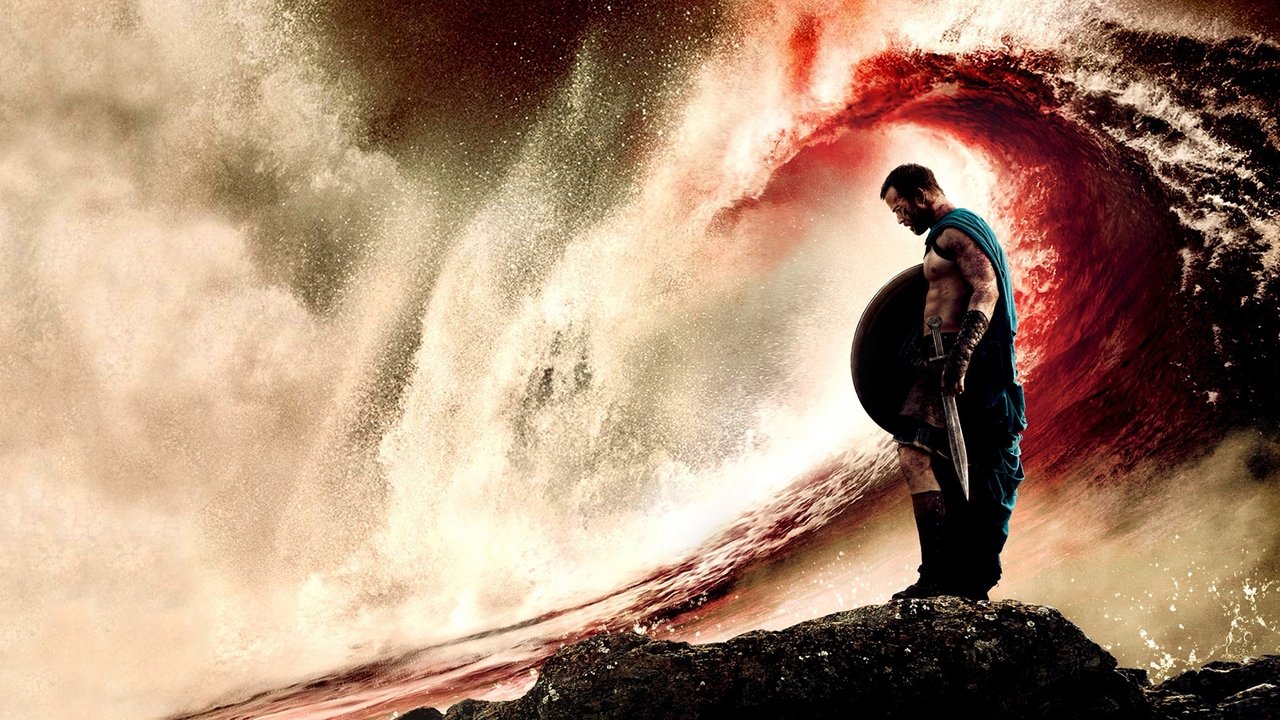
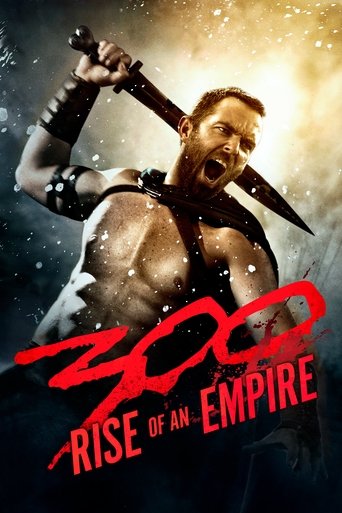
- Genre: Action, Drama, War
- Director: Noam Murro
- Year: 2014
- Runtime: 1h 42m
- Language: English (EN)
- TMDB Rating: ⭐ 6.1/10
Movie Overview
Themistocles, a Greek general, stands as the last hope against Persia's naval onslaught. While Xerxes struts around as a golden god, the real threat is Artemesia, a Greek-born Persian commander with a personal vendetta. The film jumps between Themistocles rallying Athens and Sparta, and Artemesia's brutal naval campaigns—each battle drenched in more digital blood than the last.
What surprised me most was how little this feels like a direct sequel. It's more of a side-quel, running parallel to the events of 300. The naval battles give it a different rhythm, though the constant slow-motion can wear thin.
Lena Headey's Queen Gorgo gets some fiery monologues, but she's sidelined for long stretches. The real tension is between Themistocles and Artemesia—two leaders who might've been allies in another life. Their final confrontation is telegraphed early, but the journey there has its moments.
That said, the plot's about as deep as a puddle. This is a film where characters literally shout their motivations at each other between decapitations.
Direction & Cinematography
Noam Murro takes over from Zack Snyder, and you feel the difference immediately. The signature hyper-stylized violence is there, but the compositions lack Snyder's graphic novel precision. One early shot—a Persian ship emerging from flames like a demonic whale—shows what Murro can do when he leans into the madness.
But the pacing stumbles. The original 300 had a relentless forward drive; this one keeps pausing for exposition dumps. The naval battles are inventive at first, then start blending together.
What stayed with me after the credits? The way Murro frames Artemesia. She's often shot from below, towering over the frame, while Themistocles gets more grounded angles. It's a subtle way to show who really holds power here.
Cast & Performances
Eva Green devours the scenery as Artemesia. Watch how she delivers lines like 'I am the wrath of Persia' while casually sipping wine—it's terrifying. Her fight scenes have a reckless fury that makes you believe she'd gut a man for looking at her wrong.
Sullivan Stapleton's Themistocles is… fine. He growls convincingly, but lacks Gerard Butler's animal charisma. There's one moment where he hesitates before killing a wounded Persian, and you wish the film had more of that complexity.
Lena Headey gets maybe 15 minutes of screen time, but she makes them count. The way she spits 'Sparta!' during a rallying speech is worth half the CGI budget.
Character Psychology
Themistocles wants to unite Greece. What he needs is to realize that freedom isn't just about killing Persians—it's about building something after. The film flirts with this idea, then drops it for another battle.
Artemesia is more interesting. She's a Greek who turned on her own people after unspeakable trauma. Her revenge isn't just political—it's deeply personal. That final scene between her and Themistocles almost lands the emotional weight the whole film needed.
Themes & Emotional Depth
This is a film about the stories we tell to justify violence. The Greeks frame themselves as noble defenders; the Persians as monstrous invaders. But Artemesia's backstory shows how thin that line really is.
The most telling moment? When Xerxes becomes a god-king. It's not some divine transformation—it's a broken man choosing to hide behind gold and myth. The film could've explored that idea further.
Memorable Scenes & Dialogue
1) The 'blood rain' battle: Artemesia's ships fire flaming arrows that literally make it rain blood. It's ridiculous, but Green sells it with her manic grin. 2) Themistocles' night raid: The way the screen flashes between pitch black and sudden violence captures the chaos of war. 3) The throne room confrontation: Artemesia straddles a defeated Greek soldier while negotiating with Themistocles—a perfect mix of power play and perverse intimacy.
The Ending — Does It Deliver?
The final battle goes all-in on spectacle, with a clever (if implausible) tactical twist. What surprised me was how quiet the actual ending is—just two exhausted warriors acknowledging what they've lost.
It doesn't quite land because we haven't spent enough time with these characters outside of combat. But that final shot of the sea, now calm after so much carnage, sticks with you.
What Works
Eva Green's performance elevates every scene she's in. The naval battles, while repetitive, offer some inventive kills (death by anchor chain is a new one). The muted color palette—all grays and blacks with sudden bursts of crimson—creates a cohesive visual language. And that blood rain scene is the kind of over-the-top madness this franchise was made for.
Honest Criticism
The political scenes drag, especially when Headey isn't on screen. Some CGI looks shockingly cheap for a 2014 film—watch the obviously digital horses during the beach charge. Worst of all, the film keeps teasing deeper themes (collateral damage, the cost of freedom) only to abandon them for another slow-motion spear thrust.
How It Compares
Compared to 300, this has more naval variety but less emotional punch. It's better than Immortals (2011) in sheer energy, but lacks that film's weird mythological depth. The closest match might be Zack Snyder's own Sucker Punch—equally stylish, equally hollow at its core.
Legacy & Cultural Impact
Box office-wise, it made $337 million on a $110 million budget—solid, but nowhere near the original's cultural impact. Critics called it 'more of the same, but less' (56% on Rotten Tomatoes).
Its real legacy might be proving Eva Green could carry an action film. Eight years later, she'd perfect this role in Penny Dreadful.
Behind the Scenes
- Eva Green insisted on doing most of her own stunts, including the brutal throne room fight. 2) The Persian fleet was entirely CGI—not a single real ship was used. 3) Zack Snyder co-wrote the script but didn't direct, which explains the tonal mismatch.
Who Should Watch It?
Fans of the original who just want more stylized violence will leave satisfied. Anyone hoping for historical accuracy or nuanced characters should steer clear—this is Sparta-lite.
Final Verdict
I'd give it a 6.5/10—flawed but fun. The rating bumps up to 8.2 if you're specifically craving hyper-violent ancient warfare. Watch it for Eva Green's unhinged performance and a few truly spectacular kills. Just don't expect it to linger in your mind like the original did.
More details, ratings, and cast information on IMDb, TMDB, Wikipedia. YouTube