- 1Movie Overview
- 2Direction & Cinematography
- 3Cast & Performances
- 4Character Psychology
- 5Themes & Emotional Depth
- 6Memorable Scenes & Dialogue
- 7The Ending — Does It Deliver?
- 8What Works
- 9Honest Criticism
- 10How It Compares
- 11Legacy & Cultural Impact
- 12Behind the Scenes
- 13Who Should Watch It?
- 14Final Verdict
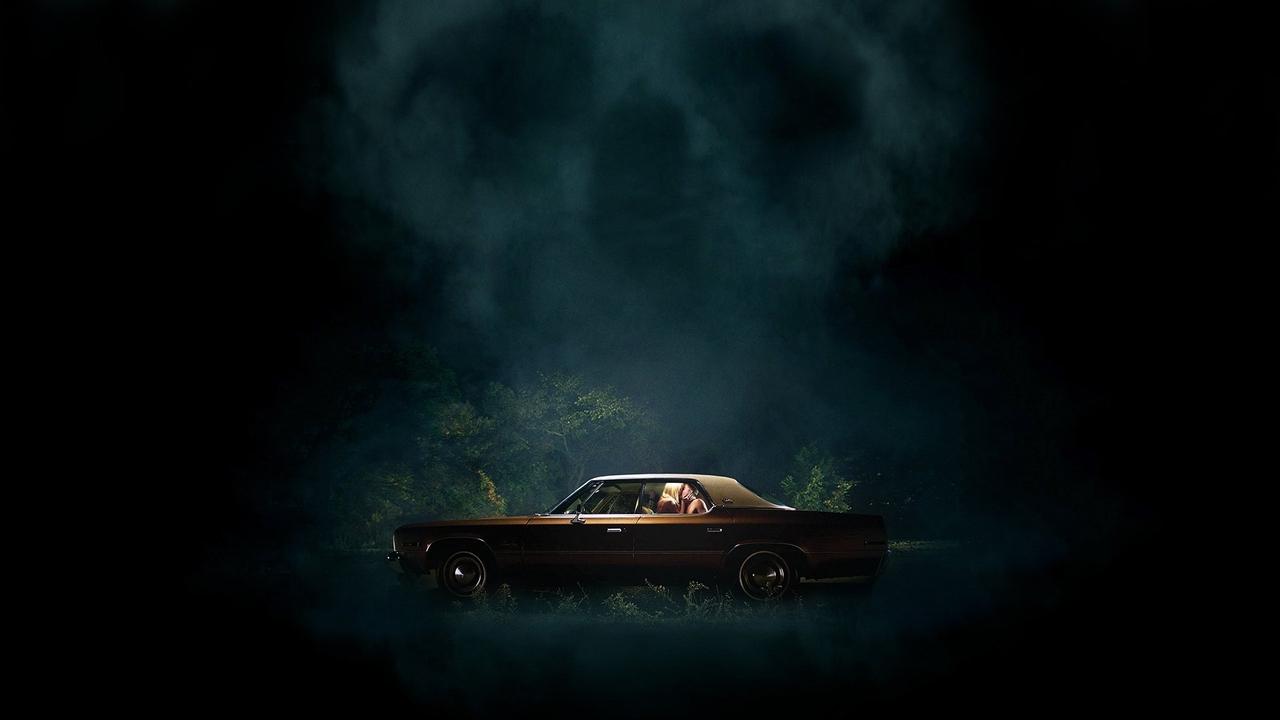
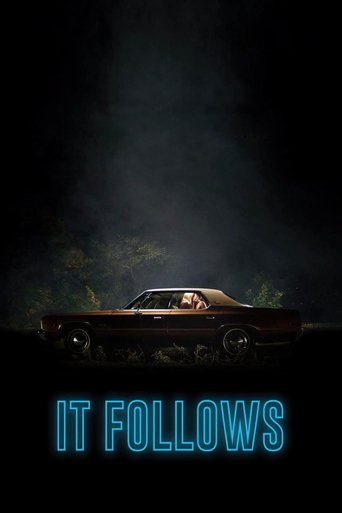
- Genre: Horror, Mystery
- Director: David Robert Mitchell
- Year: 2015
- Runtime: 1h 41m
- Language: English (EN)
- TMDB Rating: ⭐ 6.6/10
Movie Overview
Jay Height (Maika Monroe) is a college student living in suburban Detroit when her date with the charming Hugh (Jake Weary) takes a dark turn. After their sexual encounter, Hugh explains that Jay is now being hunted by an unstoppable entity. It can look like anyone — a stranger, a loved one, or even someone she’s never met. The only way to escape is to pass the curse on to someone else through sex. Jay, horrified, confides in her friends Paul (Keir Gilchrist), Yara (Olivia Luccardi), and Greg (Daniel Zovatto). Together, they try to outsmart the relentless pursuer, which moves slowly but never stops. The tension builds as Jay realizes she can’t keep running forever — and that sacrificing someone else might not be the solution she hoped for. The film’s final act raises questions about trust, survival, and the lengths we’ll go to escape our fears.
Direction & Cinematography
David Robert Mitchell crafts a sense of dread that lingers long after the credits roll. The film’s cinematography, shot in widescreen, uses empty suburban spaces to create an eerie, almost detached atmosphere. One standout moment is the beach scene, where the camera pans slowly across the shoreline, making you scan every figure in the distance. What struck me was how Mitchell frames Jay’s world as both familiar and alien — the suburbs feel like they could be anywhere, but the quiet streets and empty houses amplify the terror. The pacing is deliberate, almost meditative, which might frustrate viewers used to jump scares. But it’s this slow burn that makes the scares land harder when they come. That said, the tone occasionally wobbles, especially in scenes where Jay’s friends try to lighten the mood. Still, Mitchell’s vision is clear: this is horror that gets under your skin.
Cast & Performances
Maika Monroe carries the film with a performance that’s both vulnerable and resilient. Her wide-eyed fear feels authentic, especially in scenes where she’s alone, scanning her surroundings for the entity. Keir Gilchrist as Paul brings a quiet awkwardness that grows more endearing as the film progresses. His unspoken feelings for Jay add a layer of tension to their dynamic. Olivia Luccardi’s Yara is underused, but her deadpan delivery provides some much-needed levity. Jake Weary’s Hugh is chilling in his brief appearance, though I’ll admit I didn’t expect his character to disappear so early. Daniel Zovatto’s Greg feels a bit thinly drawn, but he has moments where his bravado cracks, hinting at deeper fear.
Character Psychology
Jay’s surface goal is simple: survive. But underneath, she’s grappling with guilt over the idea of passing the curse to someone else. She’s not a hero — she’s scared, confused, and desperate. What surprised me most was how the film doesn’t force her into a traditional arc. She doesn’t magically become fearless or selfless. Instead, she’s trapped in a cycle of fear and avoidance. Her need for connection clashes with her instinct to protect herself and others. That final beach scene says it all: she’s still looking over her shoulder, even when she thinks she’s safe.
Themes & Emotional Depth
At its core, It Follows is about the inescapable nature of fear — whether it’s death, regret, or the consequences of our actions. The curse itself feels like a metaphor for trauma, something you can try to outrun but never truly shake. The film also explores the darker side of intimacy. The act of passing the curse — essentially choosing to sacrifice someone else — forces Jay and her friends to confront their own morality. That beach scene, where Jay watches the entity approach in the form of a stranger, lingers because it captures the universal fear of being pursued by something you can’t understand.
Memorable Scenes & Dialogue
The beach scene is a masterclass in tension. The slow pan across the shoreline forces you to search every figure, wondering which one is the entity. It’s a chilling reminder that danger could be anywhere. Another standout is the pool house scene, where Jay and her friends attempt to trap the entity. The chaos and fear in that moment feel so raw, especially when Jay realizes she’s not safe even among her friends. And the opening shot of a young woman running in heels, terrified, sets the tone perfectly — it’s unsettling and immediately draws you in.
The Ending — Does It Deliver?
The ending is deliberately ambiguous, and I’ll admit it frustrated me at first. But on rewatch, I noticed how it mirrors the film’s central theme: fear never really goes away. Jay’s final moments on the beach, watching the entity approach, leave you with a sense of unease rather than closure. The last shot lingers on her walking away, but you can’t shake the feeling that she’s still being followed. It’s a bold choice, and it works because it stays true to the film’s tone. That final shot made me question everything I thought I knew about the curse.
What Works
The film’s premise is terrifyingly simple, and it’s executed brilliantly. The cinematography creates a sense of unease that lingers throughout. Maika Monroe’s performance anchors the film, making Jay’s fear feel real and relatable. The soundtrack by Disasterpeace is a standout, blending retro synths with modern tension to heighten every scene. The beach scene, in particular, is a masterclass in building suspense.
Honest Criticism
The character of Greg feels underdeveloped, and his sudden exit mid-film leaves his arc unresolved. Some of the humor, particularly from Yara, feels out of place and disrupts the tension. The pacing, while effective, might feel too slow for viewers craving constant action.
How It Compares
It Follows shares DNA with classics like Halloween and The Thing, but it stands out for its focus on psychological terror rather than gore. Compared to recent horror hits like Hereditary or The Babadook, it’s less about family trauma and more about the personal dread of being hunted. Where it falls short is in its character development — Jay’s friends, especially Greg, feel like sketches rather than fully realized people. Still, it beats many of its peers in originality and atmosphere.
Legacy & Cultural Impact
It Follows premiered at Cannes in 2014 and became a sleeper hit, grossing $23 million worldwide on a $2 million budget. Critics praised its fresh take on horror, and it’s often cited as one of the best horror films of the 2010s. The film’s influence is evident in later works like The Witch and It Comes at Night, which also prioritize atmosphere over cheap scares. Its soundtrack, by Disasterpeace, has also become iconic, blending retro synths with modern tension.
Behind the Scenes
The film was shot entirely in Detroit, with many locations chosen for their eerie, abandoned feel. Maika Monroe wasn’t the first choice for Jay — the role was initially offered to another actress who dropped out. Director David Robert Mitchell wrote the script in just a few weeks, inspired by a recurring dream he had as a teenager.
Who Should Watch It?
Fans of atmospheric horror like The Witch or The Babadook will love this. If you’re into slashers or gore-heavy films, this might not be your cup of tea. It’s perfect for viewers who enjoy slow-burn tension and psychological terror.
Final Verdict
It Follows earns its reputation as a modern horror classic. Its chilling premise, haunting visuals, and strong lead performance make it a standout. While it’s not without flaws, it’s a must-watch for anyone who loves horror that relies on atmosphere rather than jump scares. The final shot alone is worth the price of admission. If you’re looking for a film that stays with you long after it’s over, this is it.
More details, ratings, and cast information on IMDb, TMDB, Wikipedia. YouTube