- 1Movie Overview
- 2Direction & Cinematography
- 3Cast & Performances
- 4Character Psychology
- 5Themes & Emotional Depth
- 6Memorable Scenes & Dialogue
- 7The Ending — Does It Deliver?
- 8What Works
- 9Honest Criticism
- 10How It Compares
- 11Legacy & Cultural Impact
- 12Behind the Scenes
- 13Who Should Watch It?
- 14Final Verdict
- Genre: Adventure, Action, Thriller
- Director: Martin Campbell
- Year: 1995
- Runtime: 2h 10m
- Language: English (EN)
- TMDB Rating: ⭐ 6.9/10
Movie Overview
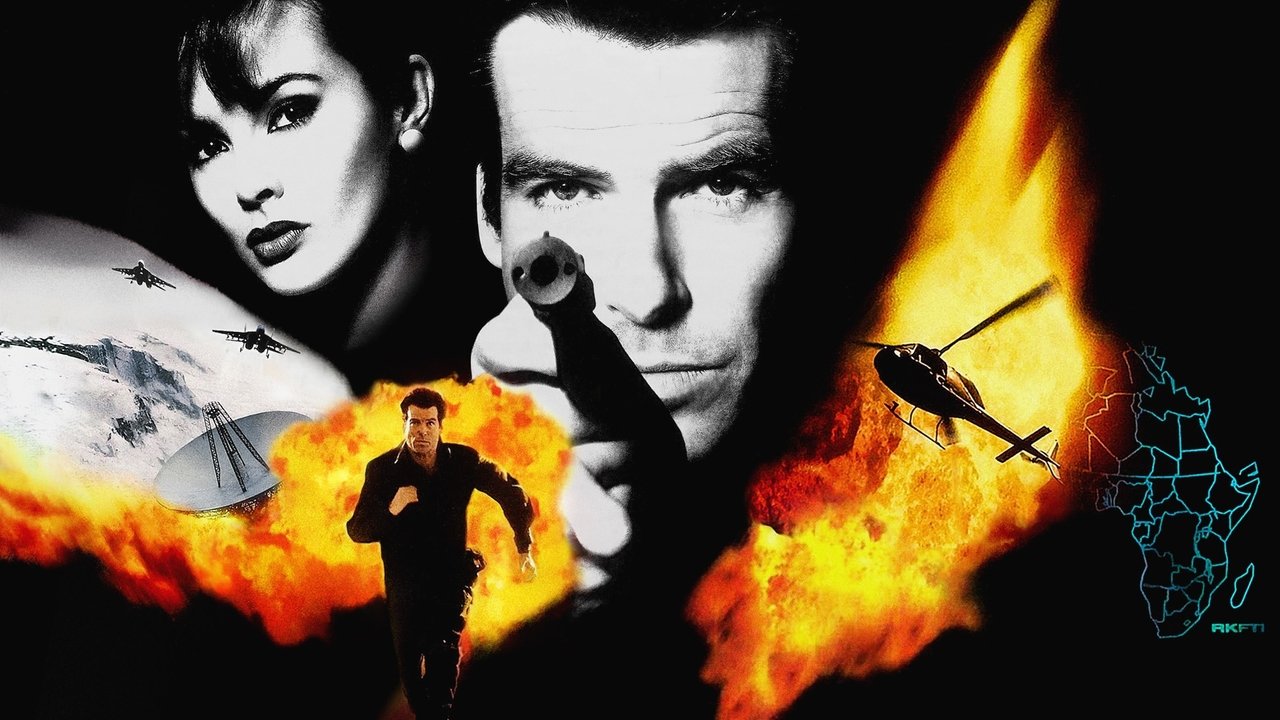
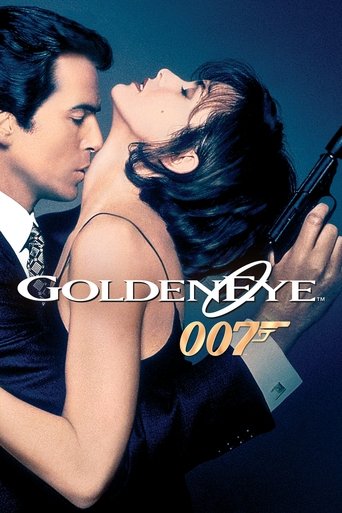
James Bond returns after a six-year hiatus, and the world has changed. The Cold War is over, but old enemies like Alec Trevelyan—Bond's former MI6 colleague—haven't faded away. When a satellite weapon system called GoldenEye is stolen, Bond races to stop Trevelyan from using it to cripple London's financial systems. Along the way, he teams up with Natalya Simonova, a programmer who knows too much about the weapon's inner workings.
The film wastes no time throwing Bond into action, opening with a dam explosion and a bungee jump that became iconic. What surprised me most was how much the script acknowledges Bond's outdated nature in a post-Cold War world. M even calls him a 'sexist, misogynist dinosaur'—a moment that lands harder now than it did in 1995.
Natalya isn't just a damsel; she calls out Bond's recklessness and the collateral damage he leaves behind. Their dynamic gives the film an unexpected edge. The third act in Cuba feels a bit rushed, but the stakes stay personal—this isn't just about saving the world, but settling a betrayal between former friends.
That final tank chase through St. Petersburg? Still ridiculous. Still fun.
Direction & Cinematography
Martin Campbell, who'd later reboot Bond with Casino Royale, makes his debut here with a clear mission: modernize 007 without losing the swagger. The opening sequence—a silent infiltration of a Soviet chemical weapons facility—shows his knack for tension. The camera lingers on Bond's silhouette against the dam, making the eventual explosion feel earned.
What struck me on rewatch is how Campbell frames action spatially. The tank chase isn't just chaos; you always know where Bond is relative to his pursuers. Compare that to the messy drone fights in later Bond films, and it's a masterclass in clarity.
But the quieter scenes drag. Bond's flirtation with Xenia Onatopp goes on too long before her infamous thigh-crush kill. Campbell seems more comfortable with bullets than banter, though Brosnan's smirk helps sell the slower moments.
Cast & Performances
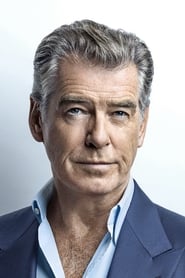
Pierce Brosnan nails the role on his first try—charming but with a hint of weariness. Watch how he delivers the line 'For England, James?' with a pause that suggests he's questioning the whole spy game. It's a small choice that adds depth.
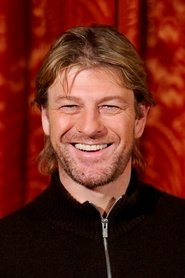
Sean Bean's Trevelyan is one of Bond's best villains because he feels like a dark mirror of 007. His rage during the satellite dish confrontation isn't cartoonish; it's the bitterness of a man who thinks he was betrayed first. Famke Janssen steals every scene as Xenia, though her accent wobbles between Russian and something… unspecified.
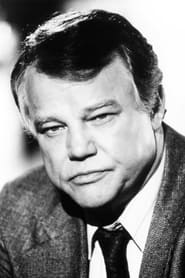
Izabella Scorupco's Natalya is a welcome change from Bond girls who just fawn over him. Her eye-roll when Bond tries to seduce her mid-crisis is perfect. Joe Don Baker as CIA agent Jack Wade? Fine, but he's basically a less fun version of Felix Leiter.
Character Psychology
Bond wants to stop Trevelyan, but what he needs is proof he still matters in a world that's moved on. The film keeps asking: Is loyalty to country enough when the rules have changed?
Trevelyan, meanwhile, is what Bond could become—a man so consumed by betrayal he'd rather burn everything down than adapt.
Themes & Emotional Depth
GoldenEye is about obsolescence. The villain uses outdated tech (the GoldenEye satellite) to attack modern systems, mirroring Bond's struggle to stay relevant. The scene where M chastises Bond isn't just feminist lip service—it's the core conflict.
There's also a running thread about trust. Bond assumes Natalya will fall for him; she doesn't. Trevelyan assumes MI6 betrayed him; they might have. The film works best when it lets these assumptions collide.
Memorable Scenes & Dialogue
The bungee jump off the Verzasca Dam is legendary for a reason. Campbell holds the wide shot just long enough for your stomach to drop before Bond leaps. It's practical, dangerous, and sets the tone for the whole film.
Xenia's death scene—crushed by her own seduction technique—is both hilarious and grotesque. Janssen plays it with orgasmic glee right up to the snap. The tank chase, while absurd, works because Brosnan looks like he's genuinely having fun steering a 40-ton vehicle through tiny streets.
The Ending — Does It Deliver?
The final fight on the satellite dish feels earned—Bond and Trevelyan circling each other like boxers, their history fueling every punch. I'll admit I didn't expect Trevelyan to go out mid-monologue, but it fits his character: always assuming he'd have the last word.
What stayed with me after the credits is Bond's smirk as he drives off with Natalya. He hasn't really changed, but the world around him has. The film leaves you wondering if that's a victory or a ticking time bomb.
What Works
Brosnan's debut is pitch-perfect—he balances Connery's cool with Dalton's grit. The tank chase remains a high-water mark for practical effects in Bond films. Trevelyan's betrayal adds emotional weight missing from later Brosnan villains. The score, especially the 'Run, Shoot, Jump' track during the dam sequence, elevates every action beat.
Honest Criticism
The second act sags with too much technobabble about the GoldenEye system. Boris Grishenko's 'I am invincible!' schtick feels dated and grating. The Cuba segment rushes Trevelyan's plan, making his endgame feel less threatening than it should.
How It Compares
Compared to Tomorrow Never Dies, GoldenEye's villain has real pathos—Bean outclasses Jonathan Pryce's media mogul. But it lacks the emotional gut-punch of Casino Royale's betrayal. The action tops most of Roger Moore's outings, though Live and Let Die's boat chase still holds the crown for sheer insanity.
Legacy & Cultural Impact
GoldenEye revived Bond after a six-year gap and grossed $356 million worldwide. It spawned a hit N64 game that defined a generation of shooters. Critics were mixed at release (Roger Ebert called it 'routine'), but time has been kind—it's now seen as the best Brosnan outing.
Campbell's direction here clearly paved the way for Casino Royale's grittier take. Without GoldenEye's success, we might not have gotten Daniel Craig's Bond at all.
Behind the Scenes
Brosnan was originally cast for The Living Daylights but lost the role due to his Remington Steele contract. The tank chase destroyed over 30 cars—a record at the time. Famke Janssen based Xenia's laugh on a hyena documentary.
Who Should Watch It?
Bond purists and '90s action fans will love this—it's slick, fast, and knows when to wink. If you prefer your spies grounded like Bourne or the Craig-era Bond, the tank antics might strain credibility.
Final Verdict
GoldenEye earns its reputation as a franchise savior. Brosnan's charisma and Campbell's clean action make it rewatchable decades later. The script's self-awareness about Bond's flaws adds just enough depth. While not as sharp as Casino Royale, it's the rare reboot that honors tradition while pushing forward. Watch it for the bungee jump alone—Hollywood doesn't make stunts like that anymore.
More details, ratings, and cast information on IMDb, TMDB, Wikipedia. YouTube