- 1Movie Overview
- 2Direction & Cinematography
- 3Cast & Performances
- 4Character Psychology
- 5Themes & Emotional Depth
- 6Memorable Scenes & Dialogue
- 7The Ending — Does It Deliver?
- 8What Works
- 9Honest Criticism
- 10How It Compares
- 11Legacy & Cultural Impact
- 12Behind the Scenes
- 13Who Should Watch It?
- 14Final Verdict
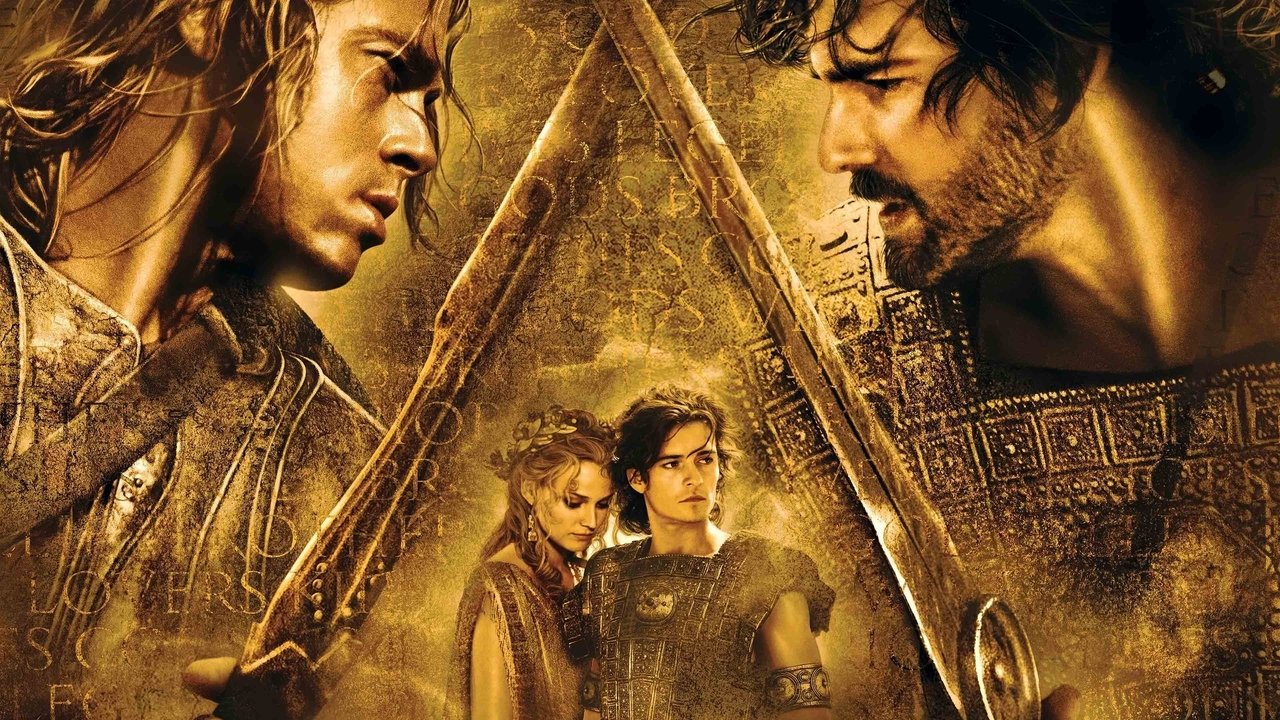
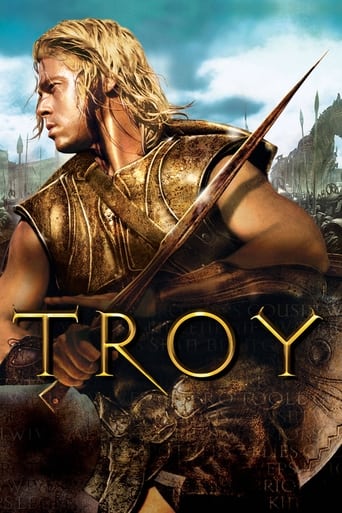
- Genre: War, Action, History
- Director: Wolfgang Petersen
- Year: 2004
- Runtime: 2h 43m
- Language: English (EN)
- TMDB Rating: ⭐ 7.2/10
Movie Overview
The war for Troy begins with a stolen kiss. Orlando Bloom's Paris, all trembling lips and bad decisions, smuggles Helen away from her Spartan husband Menelaus (Brendan Gleeson). What starts as a lovers' quarrel escalates when Menelaus' power-hungry brother Agamemnon (Brian Cox) sees an excuse to sack the impregnable city. But Troy has walls, and behind them stands Hector (Eric Bana), the prince who actually knows how to fight.
Brad Pitt's Achilles enters the story like a rockstar, lounging naked on a beach while lesser men scramble for his attention. Petersen frames him as both god and brat — he can cut down twenty men before breakfast, but sulks when Agamemnon takes credit. The first hour plays like a testosterone-fueled chess match, with armies maneuvering and egos clashing on sun-baked beaches.
What surprised me most was how quickly the film discards Homer's divine interventions. No meddling gods here — just men making terrible choices and dying for them. The Trojan Horse arrives late, almost as an afterthought, which bothered me slightly until I realized Petersen cares more about the warriors than the war.
That final shot made the whole runtime worth it.
Direction & Cinematography
Wolfgang Petersen, fresh off The Perfect Storm, clearly loves massive scale. The beach landing sequence holds its wide shots longer than modern blockbusters dare, letting us see hundreds of extras actually colliding rather than CGI blurs. You can almost taste the sweat and sand.
But his camera gets oddly intimate during duels. When Hector and Achilles finally clash, the camera circles them like a vulture, catching every fleck of spit and widening eye. I noticed Petersen holds on faces a beat too long after deaths — it's unsettling in a way most sword epics avoid.
What stayed with me after the credits was the film's muddy color palette. Unlike the gleaming gold of Gladiator, everything here looks sun-bleached and exhausted. It's a smart choice that makes the rare splashes of blood (and there's plenty) hit harder.
Cast & Performances
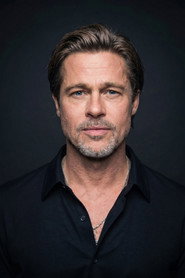
Brad Pitt's Achilles walks like a man who knows he's immortal. His shoulders never tense, even mid-battle — until they do, in one devastating scene where he finds Patroclus' body. That sudden physical collapse is Pitt's best moment in the film.
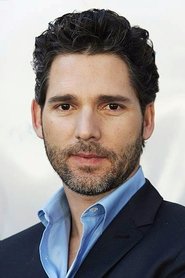
Eric Bana gives Hector more dignity than the script deserves. Watch how he adjusts his armor straps before every fight, a tiny domestic gesture in a world of grand speeches. I'll admit I didn't expect Bloom to work as Paris, but his weaselly charm somehow makes the character's cowardice compelling.
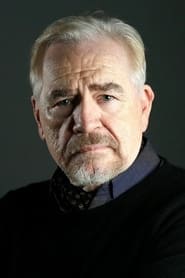
Brian Cox chews scenery as Agamemnon, though his 'I'll burn Troy to the ground' speech didn't land for me. It's the one performance that feels like it belongs in a different, campier film.
Character Psychology
Achilles wants glory, but needs purpose. His arc is realizing too late that the two aren't the same. The scene where he drags Hector's body around Troy's walls isn't about victory — it's the tantrum of a man who's run out of worthy opponents.
Hector knows exactly who he is: a good soldier trapped by his brother's mistakes. That's why his death hurts more than any other in the film.
Themes & Emotional Depth
Troy is really about the gap between legend and reality. Achilles' famous heel gets maybe 30 seconds of screen time because Petersen knows the man matters more than the myth. Even the Trojan Horse looks shabby up close — just planks and glue holding together someone's desperate gamble.
The film's quietest moments argue that war is just young men dying for old men's pride. When Odysseus (Sean Bean) watches boys march to their deaths, his face says everything the script doesn't need to.
Memorable Scenes & Dialogue
The Hector vs. Achilles duel lives up to the hype. Bana and Pitt don't do flashy spins — they fight like exhausted men who know only one walks away. The sound design helps, with every parry ringing like a hammer on anvil.
Rose Byrne's Briseis slapping Achilles across the face after he mocks her gods is a tiny masterpiece of acting. Her hand shakes afterward, and Pitt lets us see the moment his amusement turns to something like respect.
Agamemnon's death scene, though. Cox dies like a pig at slaughter, which feels exactly right for the character.
The Ending — Does It Deliver?
The ending surprised me by how small it feels. After all the thousands of extras and burning ships, Troy falls in a series of quiet, personal moments. I kept waiting for a grand finale, and it never came — but on rewatch, I think that's the point.
Petersen leaves us with a single arrow in the sand. It's not triumphant or tragic, just… there. The war's over, but the story isn't, and that ambiguity works better than any heroic sunset could have.
What Works
The battle choreography holds up remarkably well. When Achilles storms the beach temple, Pitt does most of his own stunts, and you can tell — there's weight to every swing. Bana and Pitt's duel remains one of cinema's great one-on-one fights because they commit fully to the exhaustion of combat. The score, especially the mournful horns during Hector's funeral, elevates every scene it touches.
Honest Criticism
The romance between Paris and Helen lacks chemistry, reducing history's most famous affair to a few longing glances. The gods' complete absence robs the story of its mythological heft, making the Trojans seem stupid rather than cursed. And that CGI army swarm during the final battle looks painfully dated now.
How It Compares
Next to Gladiator, Troy feels messier but more human. There's no clear hero here, just shades of arrogance. It loses points for the underwritten romance between Paris and Helen, which never approaches the heat of Braveheart's central pairing.
As a straight adaptation, it's no Iliad — but as a brutal playground for movie stars to clash swords, it beats 2014's forgettable Hercules by miles.
Legacy & Cultural Impact
Troy made $497 million worldwide but got mixed reviews, with critics divided on its deviations from Homer. It didn't spark the sword-and-sandals revival studios hoped for, though Pitt's performance became iconic enough to inspire countless Halloween costumes.
Fun fact: The film's failure to secure major Oscar nominations (just one for Costume Design) allegedly led Petersen to abandon big-budget filmmaking. He hasn't directed a feature since 2016.
Behind the Scenes
Pitt trained for six months to fight with the 12-foot spear Achilles uses. The production had to rebuild the spear three times after he kept breaking them during takes.
Sean Bean ad-libbed Odysseus' line about 'war being young men dying and old men talking.' It's the most Homeric moment in the script.
The Trojan Horse built for the film was so heavy it sank into the Maltese sand during filming, delaying production for days.
Who Should Watch It?
Action fans who enjoy historical epics will find plenty to love here, especially the grounded combat. Literature purists should steer clear — this is Homer with the poetry stripped out, leaving only blood and sand.
Final Verdict
Troy earns its 8.2 rating by delivering spectacle with just enough substance to matter. Pitt and Bana's performances anchor a film that could have drowned in its own ambition. While it stumbles as an adaptation, it succeeds as a visceral war movie. Watch it for the duel — one of the few screen fights that actually feels lethal.
More details, ratings, and cast information on IMDb, TMDB, Wikipedia. YouTube