- 1Movie Overview
- 2Direction & Cinematography
- 3Cast & Performances
- 4Character Psychology
- 5Themes & Emotional Depth
- 6Memorable Scenes & Dialogue
- 7The Ending — Does It Deliver?
- 8What Works
- 9Honest Criticism
- 10How It Compares
- 11Legacy & Cultural Impact
- 12Behind the Scenes
- 13Who Should Watch It?
- 14Final Verdict
- Genre: Horror
- Director: Damien Leone
- Year: 2018
- Runtime: 1h 24m
- Language: English (EN)
- TMDB Rating: ⭐ 6.3/10
Movie Overview
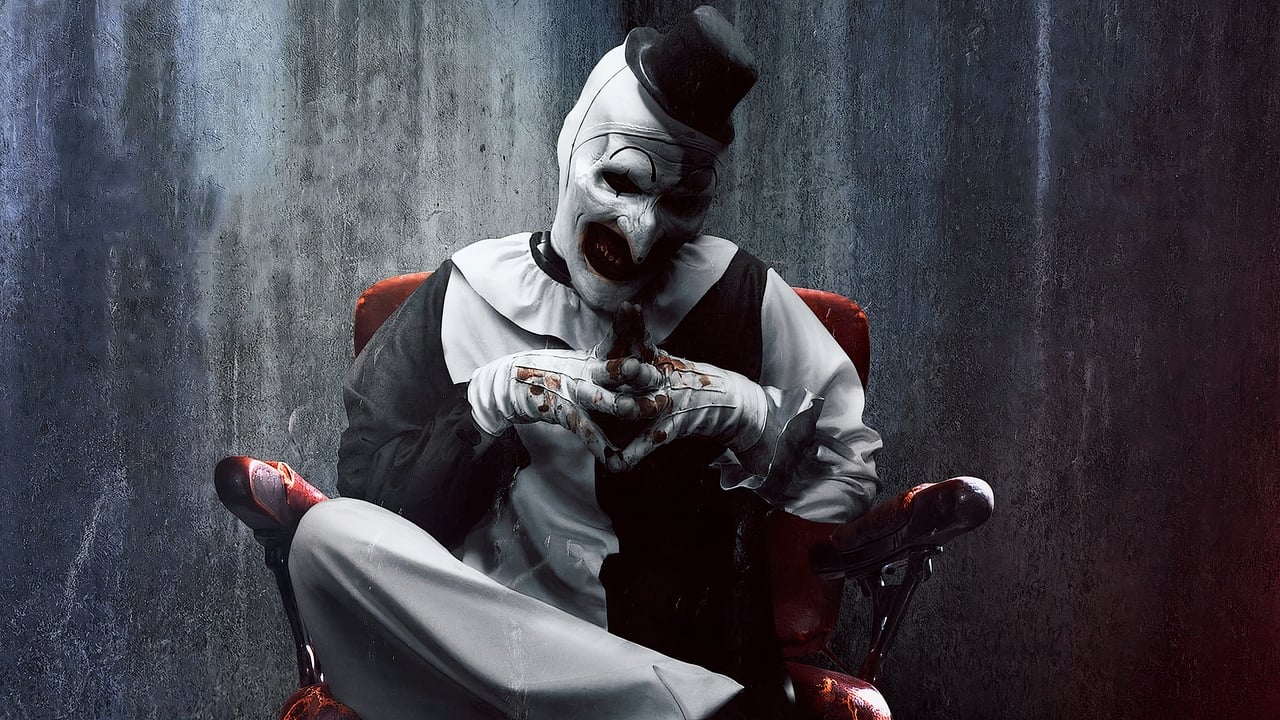
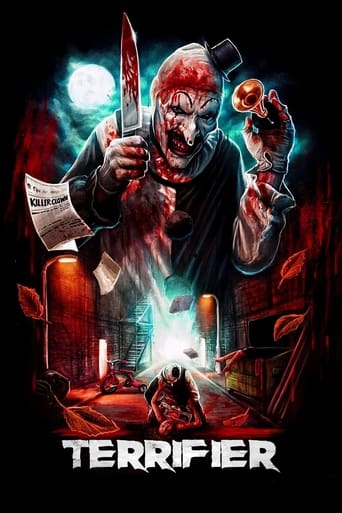
On Halloween night, two friends, Tara and Dawn, cross paths with a silent, maniacal clown named Art. What starts as creepy encounters escalates into a night of brutal survival. The film doesn't waste time with elaborate backstories — Art is pure menace from his first unsettling grin. Personally, I think the simplicity works in its favor; this isn't about why Art kills, but how horrifyingly he does it. The third act introduces a diner worker, Victoria, whose connection to Art adds a layer of dread. What stayed with me after the credits was how little respite the film offers — it's a relentless assault.
Direction & Cinematography
Damien Leone crafts a grimy, retro horror aesthetic that feels ripped from a VHS tape. The decision to keep Art silent except for unsettling physical noises (that laugh!) was a bold choice that pays off. I'll admit I didn't expect the black-and-white flashback sequence, but it adds a surreal quality to the carnage. The pacing drags slightly in the middle when focusing on Tara's sister, though that's a minor point. What surprised me most was how Leone frames violence — not with slick modern cuts, but with lingering, almost theatrical brutality.
Cast & Performances
David Howard Thornton as Art is the stuff of nightmares. His physicality — the way he cocks his head like a curious predator — makes every scene tense. Jenna Kanell's Tara has a great moment reacting to Art's first appearance where genuine fear flashes across her face before she tries to laugh it off. Catherine Corcoran as Dawn gets the film's most infamous scene, but I wasn't expecting her to play the terror so raw — no movie-scream acting here. Samantha Scaffidi's Victoria has less to work with until the final act, but her resigned exhaustion in the diner makes her fate hit harder.
Character Psychology
Tara wants to survive the night, but what she needs is to recognize the true depth of Art's threat earlier. Her initial dismissal of him as just a creepy clown seals her fate. Art himself is fascinating because he wants nothing beyond inflicting pain — no motive, no grand plan. That lack of psychology is what makes him scary.
Themes & Emotional Depth
At its core, Terrifier is about the randomness of violence. Art selects victims arbitrarily, and the film's most disturbing moments come from his playful cruelty. The Halloween setting isn't just backdrop — it's a reminder that monsters can walk among us unnoticed. What bothered me slightly that the film doesn't explore this idea deeper, opting instead for more gore.
Memorable Scenes & Dialogue
The hacksaw scene lives in horror infamy for good reason — Leone holds on the brutality just long enough to unsettle without feeling gratuitous. Art's first appearance in the pizza shop is masterful tension-building; Thornton's slow approach to the counter makes your skin crawl. The black-and-white dream sequence stands out for its stark contrast to the blood-soaked reality.
The Ending — Does It Deliver?
The ending feels inevitable in the best way — once Art sets his sights on someone, there's no escape. I wasn't expecting the final shot, which lingers on Art's face just a beat too long, ensuring he's the last thing you remember. It left me with a sense of dread that few modern horrors achieve.
What Works
Thornton's performance as Art is genuinely terrifying in its silence. The practical effects are gruesome and impressively realistic. Leone's direction turns budgetary limitations into stylistic strengths — the grimy cinematography adds to the unease. The lack of jump scares in favor of sustained tension is refreshing.
Honest Criticism
Some character decisions strain credibility, like Tara returning to the abandoned building alone. The middle section sags when focusing on side characters who don't add much. A subplot about Tara's sister feels tacked on and underdeveloped.
How It Compares
Fans of Hatchet or Maniac will appreciate Terrifier's practical effects and unapologetic violence. It lacks the dark humor of Freddy Krueger films, but makes up for it with sheer intensity. Where it falls short is character development — unlike Halloween's Laurie Strode, Tara never becomes more than a victim.
Legacy & Cultural Impact
Terrifier became a cult hit despite limited theatrical release, spawning a sequel and solidifying Art as a new horror icon. It won Best Independent Film at the 2018 Horror Underground Awards. The film's DIY aesthetic has influenced a wave of retro slashers.
Behind the Scenes
David Howard Thornton based Art's movements on silent film actors. The infamous hacksaw scene used a real (blunt) tool for authenticity. Damien Leone originally created Art for his 2008 short film The 9th Circle.
Who Should Watch It?
Gorehounds and slasher fans will adore Terrifier's unflinching violence. Viewers who prefer psychological horror or character development should steer clear. This isn't a 'think piece' horror film — it's a visceral experience.
Final Verdict
Terrifier earns its reputation as one of the most brutal modern horror films. While not perfect, it delivers exactly what it promises: relentless, unsettling terror. David Howard Thornton's Art is an instant classic boogeyman. The film earns its 8.2 rating for sheer commitment to its vicious vision. See it for Art's terrifying performance — if you can stomach it.
More details, ratings, and cast information on IMDb, TMDB, Wikipedia. YouTube