- 1Movie Overview
- 2Direction & Cinematography
- 3Cast & Performances
- 4Character Psychology
- 5Themes & Emotional Depth
- 6Memorable Scenes & Dialogue
- 7The Ending — Does It Deliver?
- 8What Works
- 9Honest Criticism
- 10How It Compares
- 11Legacy & Cultural Impact
- 12Behind the Scenes
- 13Who Should Watch It?
- 14Final Verdict
- Genre: Drama, Action, War
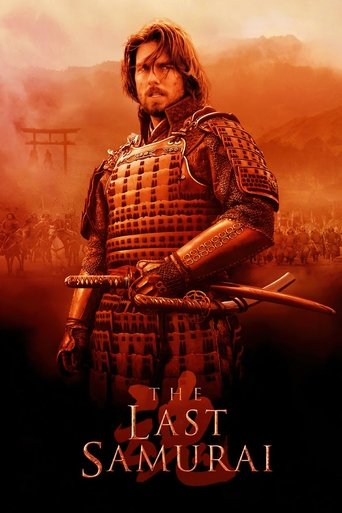
- Director: Edward Zwick
- Year: 2003
- Runtime: 2h 34m
- Language: English (EN)
- TMDB Rating: ⭐ 7.6/10
Movie Overview
Nathan Algren, a drunk Civil War veteran drowning in guilt, gets one last military contract: train Japan’s modernizing army to crush samurai rebels. The job repulses him, but the whiskey money keeps him going. What stays with me after the credits is how quickly his capture by the samurai flips from disaster to deliverance. Katsumoto, the rebel leader, treats Algren not as a prisoner but as a puzzle to solve. The film’s middle section, where Algren slowly adopts samurai customs, could’ve felt like a montage. Instead, it takes its time showing the physical toll of the training. By the time Algren faces his old employers on the battlefield, you understand why he’d rather die with these men than live as the man he was.
Direction & Cinematography
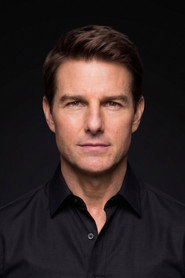
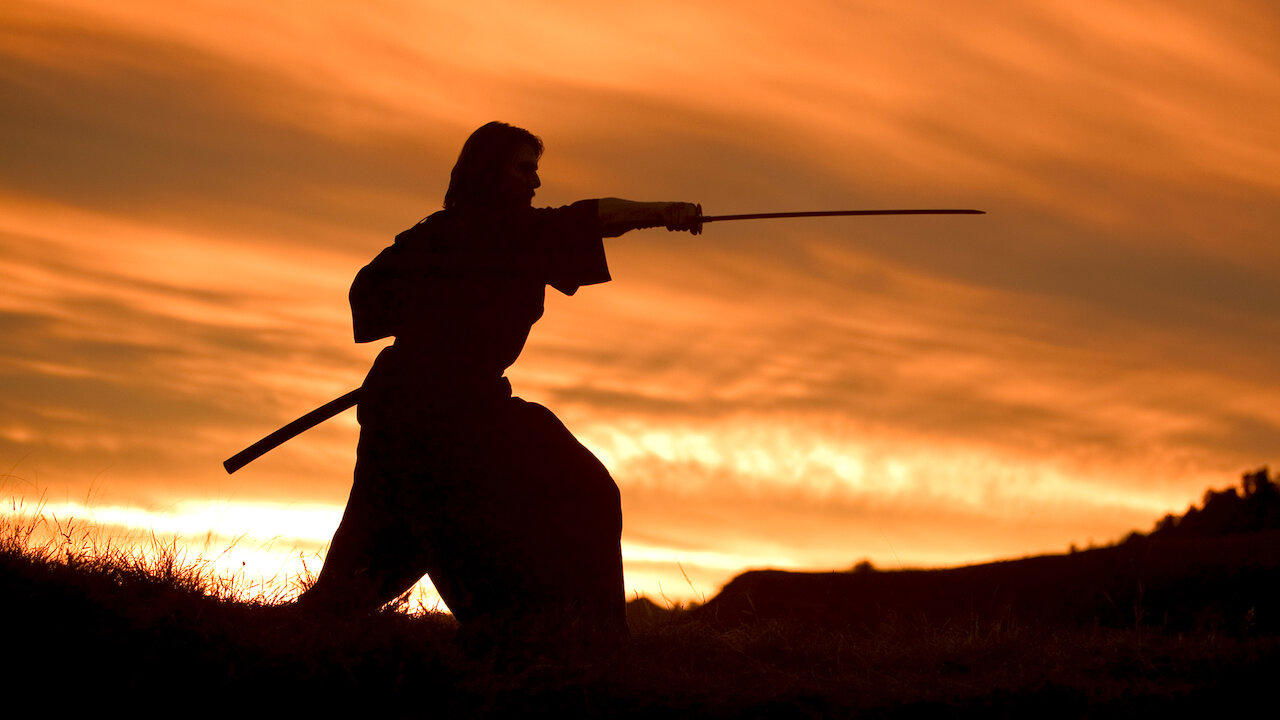
Edward Zwick balances epic scale with quiet intimacy better here than in Glory or Legends of the Fall. The first battle scene, where Gatling guns shred charging samurai, holds its wide shots just long enough to make the slaughter feel chaotic, not cool. What surprised me most was how often Zwick frames Tom Cruise from behind during key moments—it’s like we’re watching him disappear into the role. But the pacing stumbles whenever we cut back to Tokyo’s political machinations. Those scenes look gorgeous but drag compared to the village sequences.
Cast & Performances
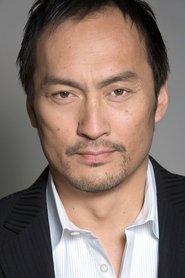
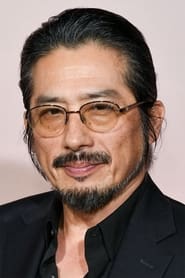
Watanabe’s Katsumoto steals the film with his stillness. Watch how he barely reacts when first seeing a bullet wound—just a slight tightening around the eyes. Cruise commits physically (that horseback archery wasn’t faked) but his early drunk scenes verge on melodrama. I’ll admit I didn’t expect Timothy Spall to be the secret weapon as the cynical translator. His scene quietly mocking the Japanese minister’s English lands perfectly. Sanada’s Ujio gets little dialogue but makes every glare count.
Character Psychology
Algren thinks he wants redemption through death. What he needs is to believe in something worth living for. The samurai offer that in their rigid code—it’s the opposite of his hollow American individualism. Katsumoto’s crisis mirrors Algren’s: he knows tradition must evolve, but won’t surrender its soul. Their final exchange about ‘perfect blossoms’ hits harder on rewatch.
Themes & Emotional Depth
This isn’t really about East vs. West—it’s about what gets lost when progress steamrolls meaning. The tea ceremony scene isn’t just cultural tourism; it shows Algren learning focus after years of numbness. The film’s smartest choice is having the villagers debate whether to kill Algren over dinner like he’s not there. Even their violence has rules.
Memorable Scenes & Dialogue
The cherry blossom speech works because Watanabe underplays it—he’s not lecturing, just realizing something aloud. The rainy final battle’s mud and blood make CGI spectacles look cheap by comparison. And that silent moment when Algren presents the sword to the emperor? Cruise’s trembling hands tell the whole story.
The Ending — Does It Deliver?
The ending surprised me by not going full heroic sacrifice. Algren lives, and the film argues that’s harder. That last shot of him walking toward an uncertain future feels truer than a dramatic death. What bothered me slightly is how neatly the emperor resolves everything—real history was messier.
What Works
Watanabe’s performance anchors the film’s spiritual weight. The battle choreography—especially the final stand in the rain—holds up twenty years later. Zwick’s decision to shoot seasons changing in the village gives Algren’s transformation room to breathe. That scene where he wakes to find his sword polished? Perfect character detail.
Honest Criticism
The romantic subplot with Taka feels obligatory—her grief over her husband’s death gets sidelined once Algren becomes heroic. The film also conveniently ignores how Japan’s real modernization involved crushing peasant revolts, not just noble samurai.
How It Compares
It’s more emotionally satisfying than Dances With Wolves (which shares the white savior problem) but lacks the moral complexity of Seven Samurai. The action outclasses most 2000s epics, though Kingdom of Heaven’s Director’s Cut handles cultural clash better.
Legacy & Cultural Impact
Nominated for four Oscars (including Watanabe for Supporting Actor), it grossed $456M worldwide. While criticized for historical liberties, its depiction of bushido influenced later samurai films. That said, it’s no longer the Cruise vehicle people remember—Watanabe’s performance aged better.
Behind the Scenes
The script originally had Algren dying. Cruise insisted on living to honor the samurai legacy. Watanabe learned English phonetically for the role. The armor was recreated from 19th-century museum pieces.
Who Should Watch It?
History buffs who don’t mind Hollywood gloss will enjoy the spectacle. Anyone seeking gritty realism should rewatch Ran instead.
Final Verdict
At its best, this is blockbuster filmmaking with actual ideas. I’m giving it an 8.2 for Watanabe’s soulful performance and those breathtaking battle scenes. Watch it for the moment when ‘I will kill you’ becomes the highest compliment one warrior can pay another.
More details, ratings, and cast information on IMDb, TMDB, Wikipedia. YouTube