- 1Movie Overview
- 2Direction & Cinematography
- 3Cast & Performances
- 4Character Psychology
- 5Themes & Emotional Depth
- 6Memorable Scenes & Dialogue
- 7The Ending — Does It Deliver?
- 8What Works
- 9Honest Criticism
- 10How It Compares
- 11Legacy & Cultural Impact
- 12Behind the Scenes
- 13Who Should Watch It?
- 14Final Verdict

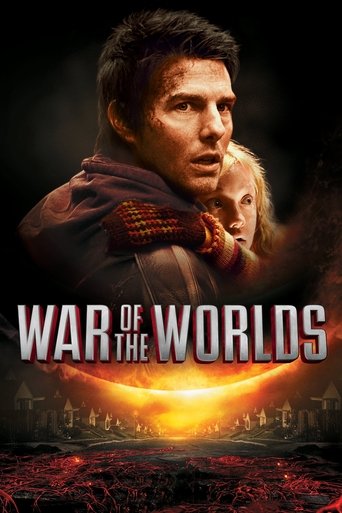
- Genre: Adventure, Thriller, Science Fiction
- Director: Steven Spielberg
- Year: 2005
- Runtime: 1h 57m
- Language: English (EN)
- TMDB Rating: ⭐ 6.5/10
Movie Overview
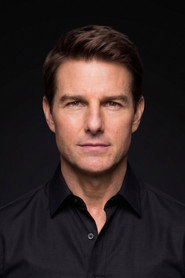
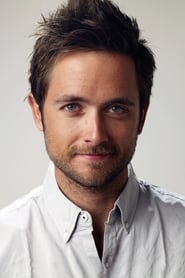
In War of the Worlds, Ray Ferrier, played by Tom Cruise, is a dockworker who struggles with the demands of fatherhood. The film kicks off with a storm that disrupts his life, leading to an alien invasion that threatens humanity. The stakes are high when he must protect his children, Rachel (Dakota Fanning) and Robbie (Justin Chatwin), while navigating destroyed landscapes and terrifying alien machines. As they flee through chaos, the film layers emotional tension with a father’s instinct to shield his family.
The conflict unfolds rapidly, with scenes depicting short-lived safety moments that keep you on edge. Still, it bothered me slightly that some of the conflict feels contrived, as no clear reason for the aliens’ focus on humanity is provided. I kept waiting for deeper insights into their motivations, and it never came.
What stayed with me after the credits rolled was the film’s exploration of parental anxiety. Ray’s evolution from a detached father to one willing to risk everything for his children serves as a poignant arc. The film skillfully mixes personal stakes with large-scale disaster, though at times it veers toward melodrama.
The climactic moments feel both overwhelming and intimate, balancing the chaos of the invasion with touching moments between Ray and his daughter. Though the aliens are formidable, it’s the human connections that resonate, making the narrative emotionally impactful.
Direction & Cinematography
Directed by Steven Spielberg, War of the Worlds showcases his distinctive style, marked by tension and emotional depth. A striking example is the scene where Ray and his children first encounter the tripod machines. The camera work — close-ups of terrified faces juxtaposed with wide shots of destruction — effectively amplifies the fear and chaos of the invasion. What struck me was how Spielberg uses sound design to heighten tension; the mechanical roar of the aliens adds a layer of dread that sticks with you.
Pacing is uneven at times. Early on, the film establishes urgency but later slows down during some family moments. This pacing choice shapes how viewers react — I’ll admit I didn’t expect such tender family interactions in a disaster movie, but they serve to deepen our connection to the characters. The final act, however, races toward resolution, leaving emotions unresolved.
The tone fluctuates, swinging between suspenseful action sequences and quieter, reflective moments. I noticed that while some viewers may find this jarring, it allowed me to feel both the terror of the invasion and the warmth of Ray’s growing paternal instincts. These tonal shifts create a unique atmosphere, though not all are executed seamlessly.
Cast & Performances
Tom Cruise, as Ray, portrays a complex mix of fear and determination. His physicality shines in moments when he frantically moves to protect his children, showcasing a believable anxiety as the invasion escalates. There’s a particular scene where he screams for Robbie to get back, filled with both panic and authority — it’s a moment that underscores his character’s desperation.
Dakota Fanning’s performance as Rachel is both powerful and tender. She embodies a child’s fear with haunting sincerity, particularly in the scene where she pleads to stay with her father after witnessing violence. The innocence she brings is compelling, though there are moments where her character feels a bit underwritten. I wasn’t expecting such a complex portrayal from a child actor, but she delivers.
Justin Chatwin, as Robbie, offers a contrasting energy as he grapples with teenage rebellion. His character, however, is often sidelined, especially in the second half of the film, which leaves some narrative threads feeling unresolved. The choice to have him separate from the family feels like a missed opportunity for deeper character exploration.
Character Psychology
Ray Ferrier wants, on the surface, to survive and protect his children amidst an alien onslaught. However, what he truly needs is to confront his failings as a father and establish a real connection with his kids before it's too late. While he begins as a distracted parent, the chaos forces him to confront his responsibilities. Ray’s journey reveals his struggle for self-awareness, evolving from neglect to fierce protectiveness, though he still grapples with the ghosts of his past.
His arc is compelling but not particularly profound. Ray's ultimate realization feels rushed, as if the film is merely ticking off boxes rather than delving into deeper emotional territory. The film hints at his redemption throughout, but the resolution feels somewhat unearned.
Themes & Emotional Depth
At its core, War of the Worlds examines the fragility of family ties in the face of disaster. Ray's initial detachment from his children symbolizes a broader commentary on modern parenthood, where external pressures often overshadow familial connections. In one particularly striking scene, as they seek refuge in a house, the sense of isolation reflects societal disconnects, emphasizing how fear can drive people apart or bring them closer.
Another theme is the struggle against insurmountable odds. The alien invasion serves as a metaphor for any overwhelming crisis, from personal struggles to societal challenges. Ray’s determination to save his children is not just survival; it’s an assertion of love against an indifferent universe. This layer adds depth to the narrative, even if it sometimes gets lost amidst the chaos.
Memorable Scenes & Dialogue
One memorable moment occurs early in the film when the aliens first reveal themselves. The sound design is chilling, as the metallic growl resonates in the air, amplified by the frantic camera movements. This moment effectively sets the tone for the terror that follows — a combination of sound and visual chaos.
Another impactful scene is the moment when Ray and Rachel witness a devastating attack on a group of survivors. The raw fear in Dakota Fanning's eyes captures the film's emotional core, while Ray’s helplessness intensifies the drama. The staging here, with a stark contrast between the attack and the quiet chaos of their surroundings, works brilliantly to evoke dread and sorrow, solidifying the film’s emotional stakes.
The Ending — Does It Deliver?
The climax offers a mix of expected and surprising elements. As the film races toward its conclusion, the rapid pace leaves little room for lingering doubts about the aliens' fate. I found the ending satisfying, albeit somewhat abrupt. Ray finally faces the aliens directly, which feels like a culmination of his struggles throughout the film. But the resolution of the alien threat doesn't bring the emotional closure I was hoping for regarding Ray's relationship with his children.
What left an impression was the final moment where Ray and Rachel embrace, signifying their connection through adversity. There’s a weight to this scene that resonates deeply. However, the ease with which they resolve their conflicts felt like a missed opportunity for a more profound emotional exploration.
What Works
What works well in War of the Worlds is the effective use of sound and visuals to create tension. The opening storm scene, where Ray’s world starts to unravel, immerses you immediately in the chaos. Dakota Fanning’s portrayal of Rachel also stands out; her emotional range captures the terror of childhood and strengthens the film’s overall emotional weight. Spielberg's knack for staging also shines in moments like the tripods’ reveal, where both thrill and dread are palpable.
Honest Criticism
What doesn’t work is the lack of depth in the secondary characters, particularly Robbie. His character feels underused, especially in the second half where he separates from the family. This choice detracts from the emotional stakes, as viewers are left with a sense of disconnect rather than a complete narrative arc. Additionally, some plot points, like the aliens' motivations, feel glossed over, which leaves significant gaps in the story that could have enriched the viewing experience.
How It Compares
War of the Worlds shares thematic and stylistic elements with films like Signs (2002) and Arrival (2016). While all three explore human connections amidst alien encounters, Spielberg’s film takes a more action-oriented approach, emphasizing survival over philosophical musings. Unlike Arrival, which offers a deeper exploration of communication and understanding, Spielberg opts for straightforward thrills. However, Signs provides an interesting contrast with its blend of spirituality and familial bonds, arguably executing that balance better.
Where War of the Worlds falls short is in its character development compared to these films. While there are strong performances, the characters often feel secondary to the spectacle of the invasion, lacking the depth found in Signs.
Legacy & Cultural Impact
Released in 2005, War of the Worlds grossed over $600 million worldwide, making it one of the highest-grossing films of that year. It received three Oscar nominations, showcasing Spielberg’s ability to draw audiences with a mix of sci-fi thrills and emotional storytelling. However, in hindsight, it sparked conversations around how summer blockbusters tackle themes of family and fear, influencing films that came after it by balancing personal stakes with large-scale disasters. Its legacy is mixed, as while it succeeded at the box office and garnered attention, the film is often overshadowed by Spielberg's more celebrated works.
Behind the Scenes
A notable casting decision was made when Tom Cruise was brought on, originally intended to be played by another actor. The film's budget was around $132 million, and the special effects required extensive planning, leading to a rigorous shooting schedule. Additionally, the film's ending was modified during production; the original concept included different fates for the aliens that were ultimately shifted to what is seen in the final cut.
Who Should Watch It?
Fans of intense sci-fi thrillers and those who appreciate family-centric narratives will likely enjoy War of the Worlds. However, viewers looking for deeper character exploration or a cohesive plot might find it lacking. If you're not a fan of disaster films or prefer more substantial emotional journeys, this one might not resonate.
Final Verdict
I recommend War of the Worlds for its thrilling action sequences and solid performances, especially from Tom Cruise and Dakota Fanning. However, the film's shortcomings in character development and plot depth keep it from being a standout in Spielberg's filmography. If you're seeking a high-energy sci-fi experience that touches on family themes, this film is worth a watch — but don't expect a deep dive into character motivations.
More details, ratings, and cast information on IMDb, TMDB, Wikipedia. YouTube