- 1Movie Overview
- 2Direction & Cinematography
- 3Cast & Performances
- 4Character Psychology
- 5Themes & Emotional Depth
- 6Memorable Scenes & Dialogue
- 7The Ending — Does It Deliver?
- 8What Works
- 9Honest Criticism
- 10How It Compares
- 11Legacy & Cultural Impact
- 12Behind the Scenes
- 13Who Should Watch It?
- 14Final Verdict
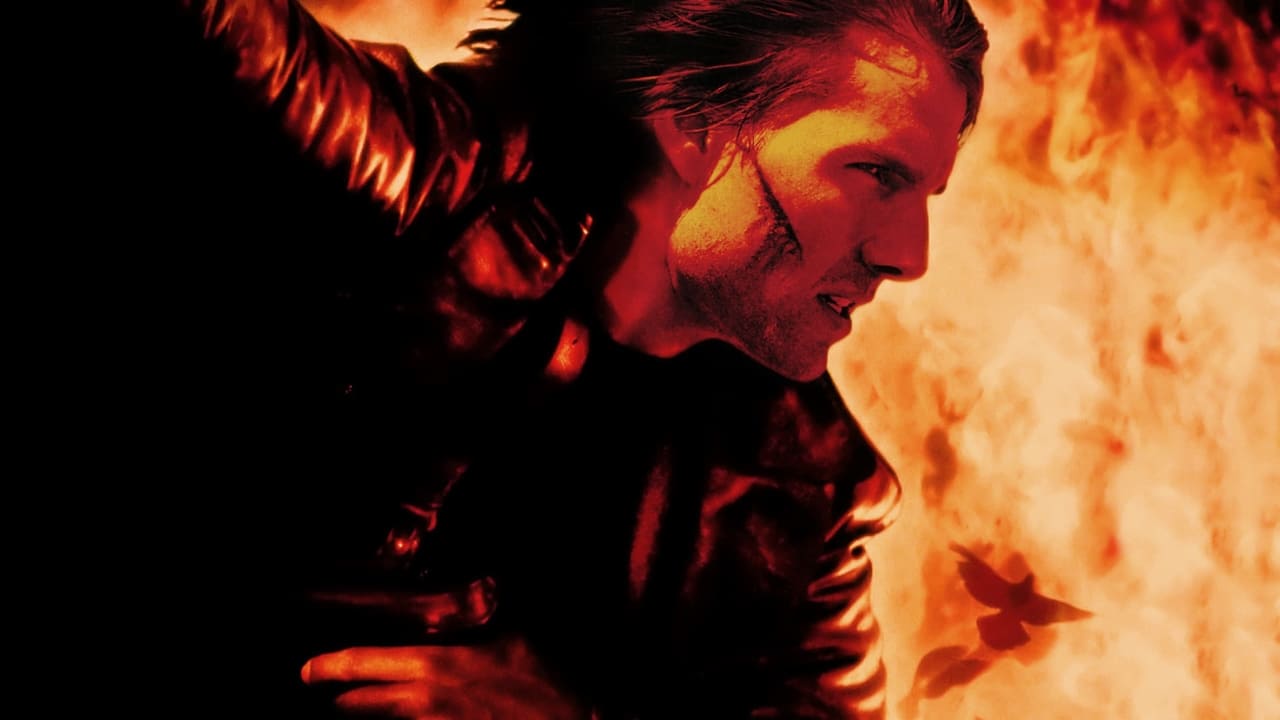
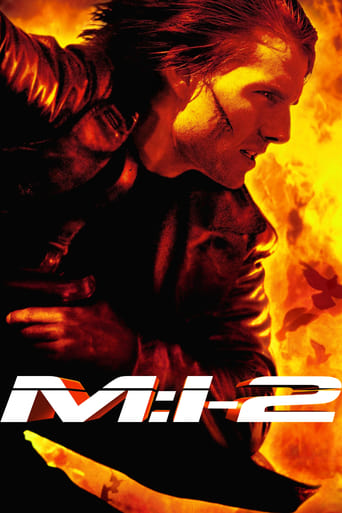
Movie Overview
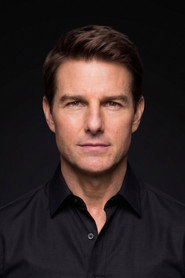
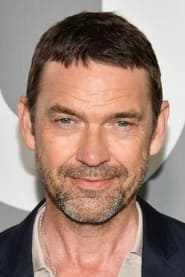
Ethan Hunt dangles from a cliff face in Utah's Dead Horse Point within the first five minutes—no safety net, no team, just sheer Tom Cruise intensity. That opening sets the tone for John Woo's take on the franchise: this is Mission: Impossible filtered through bullet ballets and operatic machismo. The plot sends Hunt after rogue IMF agent Sean Ambrose (Dougray Scott), who's stolen a bioweapon called Chimera and recruited master thief Nyah Nordoff-Hall (Thandiwe Newton) as leverage. What follows is a globe-trotting game of masks, motorcycles, and melodrama where the stakes feel simultaneously world-ending and weirdly personal. The emotional core hinges on Nyah's conflicted loyalties—she's slept with both men, because of course she has—but the film keeps interrupting its own spy intrigue for Woo's signature set pieces. By the third act, the biological weapon MacGuffin barely matters; it's all about Cruise and Scott shirtless on a beach, trading punches amid fluttering doves.
Direction & Cinematography
John Woo brings his Hong Kong action sensibilities to the franchise with mixed results. The opening rock-climbing sequence is pure Woo—slow-motion close-ups of Cruise's straining fingers, wide shots emphasizing the vertigo-inducing drop. But then there's the infamous motorcycle jousting scene where Hunt and Ambrose charge at each other like medieval knights, which should be ridiculous… and kind of is, but Woo commits so fully to the absurdity that it becomes weirdly compelling. What struck me on rewatch is how the middle sags whenever the guns stop blazing. Woo's strength has always been choreographed violence, not espionage plotting, and you feel that imbalance whenever characters stop to explain Chimera for the third time. Still, that final beach brawl—all flying sand and synchronized dives—remains one of Cruise's most physically committed performances.
Cast & Performances
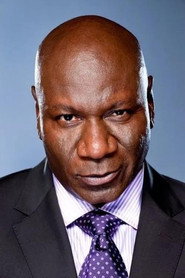
Cruise dials Ethan Hunt up to 11 here, all smoldering stares and jaw-clenched determination. Watch how he delivers the line 'I'll die before I let you get away'—it's borderline parody, but he sells it. Dougray Scott makes a serviceable villain, though he's more convincing as a smirking manipulator than a physical threat. Thandiwe Newton gets stuck in the thankless 'woman torn between two men' role, but she nails Nyah's final act desperation when the script lets her stop being a pawn. Ving Rhames' Luther feels sidelined compared to the first film, reduced to quipping from computer screens. The real surprise? Anthony Hopkins' five-minute cameo as Mission Commander Swanbeck steals every scene he's in—dry, weary, and clearly aware he's in a ridiculous movie.
Character Psychology
Ethan Hunt wants to stop the bioweapon. What he needs is to prove he can work alone—a recurring franchise theme that here manifests as reckless solo heroics. He's all id, no strategy, charging into fights he could avoid. Nyah wants redemption for her criminal past. What she needs is agency, which the film grants only in its bleakest moment. Ambrose is the least interesting kind of villain: jealous of Hunt's skills and… that's about it. The psychology here is action-movie shallow, but that's not necessarily a flaw—Woo's films thrive on primal emotions. Betrayal matters more than bioweapons.
Themes & Emotional Depth
This is a film about duality—masks, mirrors, doppelgängers. Woo literalizes it in a scene where Hunt and Ambrose impersonate each other, their fight reflected in broken glass. The recurring dove imagery (Woo's trademark) suggests purity amidst violence, but let's be real: it's mostly style over substance. Underneath the spectacle, there's a thread about trust—Hunt repeatedly gambles on Nyah's loyalty, while Ambrose trusts no one. It's not deep, but it gives the action emotional weight.
Memorable Scenes & Dialogue
1) The opening cliff climb: no music, just wind and straining rope. Woo holds on Cruise's face as he deliberately lets go of his last carabiner—a perfect introduction to this version of Hunt. 2) The mask-removal scene in the Seville lab, where three characters peel off disguises in succession. It's gratuitous, but the rhythm of the reveals makes it play like a magic trick. 3) The final motorcycle chase, where Hunt rides straight at a helicopter's rotor blades. The physics defy belief, but Cruise's commitment to the stunt sells it.
The Ending — Does It Deliver?
The beach fight climax is both exhilarating and exhausting—Woo throws every trick in his playbook at it (slow-mo, doves, knives glinting in sunset light). It works because the film earns this mano-a-mano simplicity; by this point, we've stopped caring about Chimera and just want to see Cruise and Scott go at it. What surprised me is how abruptly it ends—no clever twist, just brute force victory. The final shot of Hunt and Nyah feels tacked on, like Woo remembered last-minute that he needed a romantic resolution.
What Works
Woo's action choreography remains thrilling, especially the close-quarters combat where you can see Cruise and Scott trading blows. The mask gimmick gets creative payoffs, particularly when Hunt impersonates Ambrose mid-mission. Hans Zimmer's score—especially the flamenco-inspired 'Injection' theme—elevates every set piece. And that opening climb is still one of the franchise's best cold opens, proving Cruise's willingness to risk his neck for our entertainment.
Honest Criticism
The middle act drags whenever the guns stop firing, with too many scenes of characters explaining Chimera to each other. Nyah's arc reduces her to a trophy until the third act, and even then her 'sacrifice' plays as manipulative. The science is laughable even by spy movie standards—a virus that kills you unless you take the antidote daily? Worst of all, the film wastes Ving Rhames, relegating Luther to tech support duty.
How It Compares
Compared to Brian De Palma's cerebral first Mission: Impossible, this is pure sensory overload. It's closer to Woo's own Face/Off (1997) in its operatic masculinity, but lacks that film's gonzo commitment to its premise. The Daniel Craig Bond films would later borrow this installment's physicality, but with more grounded stakes. Where this film wins is sheer audacity—no other Mission: Impossible lets its hero ride a motorcycle into a helicopter.
Legacy & Cultural Impact
The highest-grossing film of 2000 worldwide ($546M), yet often ranked as the weakest M:I entry by fans. Its reception split critics—some praised Woo's style, others found it excessive. The film's influence is clearest in later franchise entries embracing bigger stunts, though subsequent directors dialed back the melodrama. That said, the doves-and-slow-mo aesthetic became action shorthand for 'epic' in early 2000s cinema.
Behind the Scenes
- Dougray Scott was originally cast as Wolverine in X-Men (2000), but scheduling conflicts from M:I-2's overruns forced him to drop out—handing the role to Hugh Jackman. 2) Cruise performed the 1,500-foot cliff climb himself, with only a thin safety wire removed in post-production. 3) The famous mask-making machine was a real prop, not CGI—it took 7 hours to create each prosthetic.
Who Should Watch It?
Fans of maximalist 2000s action will love this—it's Woo at his most unfiltered, with Cruise as his perfect avatar. Viewers who prefer the franchise's later team dynamics or De Palma's Hitchcockian tension should skip it. This is a film for people who think more doves = better cinema.
Final Verdict
Mission: Impossible II is the franchise's most divisive entry for good reason—it's all style, minimal substance, and unapologetically extra. I'm giving it a 6.5/10 for sheer entertainment value, though it's easily the least rewatchable M:I film. Watch it for Cruise and Woo's committed excesses; skip it if you can't handle heroes outrunning explosions in slow motion while doves take flight.
More details, ratings, and cast information on IMDb, TMDB, Wikipedia. YouTube