- 1Movie Overview
- 2Direction & Cinematography
- 3Cast & Performances
- 4Character Psychology
- 5Themes & Emotional Depth
- 6Memorable Scenes & Dialogue
- 7The Ending — Does It Deliver?
- 8What Works
- 9Honest Criticism
- 10How It Compares
- 11Legacy & Cultural Impact
- 12Behind the Scenes
- 13Who Should Watch It?
- 14Final Verdict
- Genre: Fantasy, Action, Horror
- Director: Francis Lawrence
- Year: 2005
- Runtime: 2h 1m
- Language: English (EN)
- TMDB Rating: ⭐ 7.2/10
Movie Overview
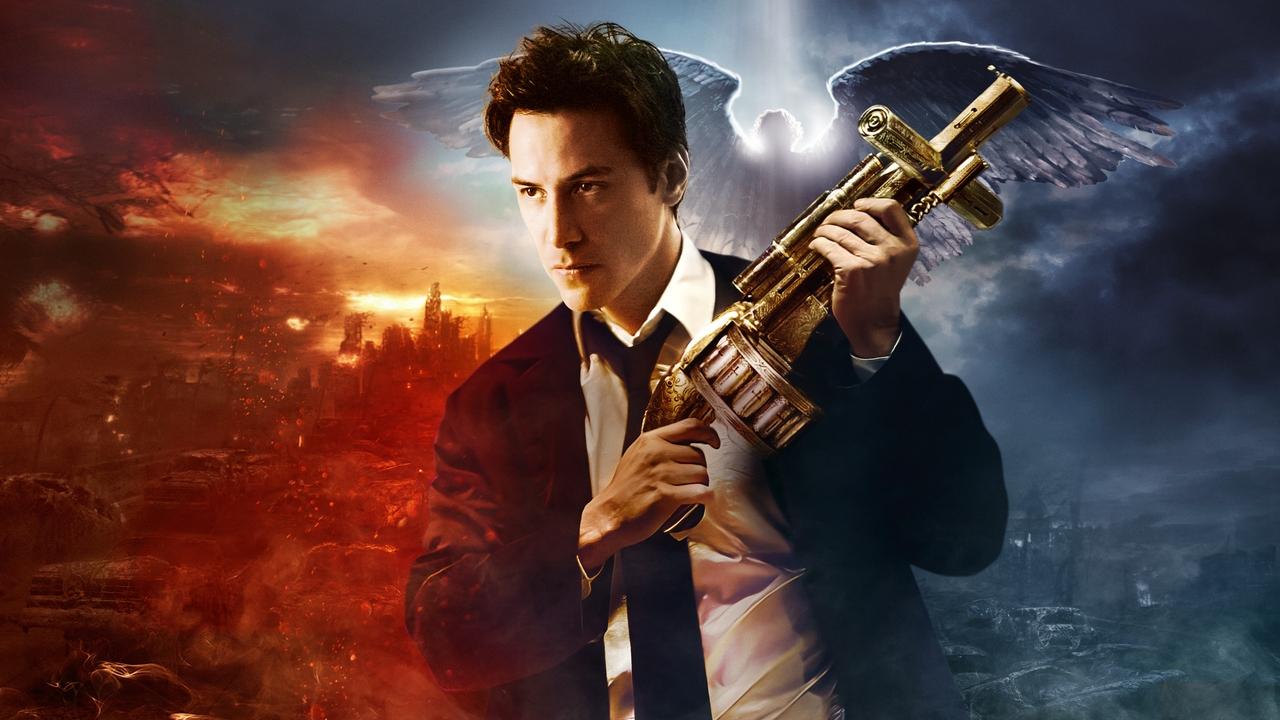
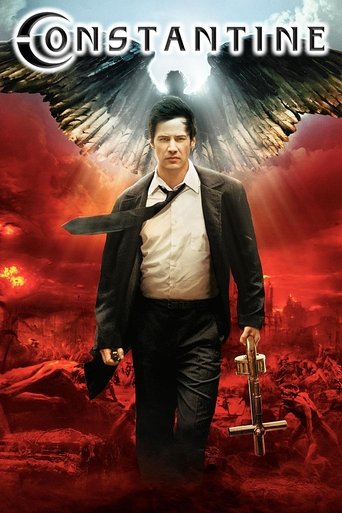
John Constantine, a jaded exorcist with terminal lung cancer, spends his days banishing demons back to Hell. When detective Angela Dodson approaches him to investigate her twin sister’s apparent suicide, he reluctantly agrees. Their investigation pulls them into a war between angels and demons that’s as much about bureaucracy as it is about good versus evil. Constantine’s journey takes him through Hell, Heaven, and everything in between, all while wrestling with his own mortality. What starts as a simple case unravels into a cosmic struggle that threatens both Earth and Hell itself.
Direction & Cinematography
Francis Lawrence, in his feature debut, crafts a visually striking world that blends noir aesthetics with supernatural dread. The opening shot, with Constantine smoking in the shadows while a demon writhes on a hospital bed, sets the tone immediately. Lawrence uses muted colors and harsh light to emphasize the film’s gritty, otherworldly atmosphere. But the pacing stumbles in the middle act, where the plot feels bogged down by exposition. What stayed with me after the credits was the Hell sequence — a surreal, Gehenna-like landscape that’s both horrifying and hauntingly poetic.
Cast & Performances
Keanu Reeves plays Constantine with a detached weariness that fits the character perfectly. His monotone delivery and chain-smoking habit make him feel like a man who’s seen too much and cares too little. Rachel Weisz, as Angela, brings a grounded intensity to her dual role, though her character’s arc feels underdeveloped. Shia LaBeouf, as Constantine’s sidekick Chas, is miscast and feels out of place in the darker moments. Djimon Hounsou, however, steals every scene he’s in as the enigmatic Papa Midnite, delivering gravitas with minimal dialogue.
Character Psychology
Constantine wants to buy his way into Heaven by banishing demons, but what he really needs is redemption. He’s deeply self-aware, knowing he’s not a good person but hoping his actions will tip the scales in his favor. Angela wants closure for her sister’s death, but she’s also grappling with her own faith — or lack of it. Neither character fully changes by the end, but their choices reveal cracks in their armor.
Themes & Emotional Depth
The film explores the idea of moral ambiguity in a universe where even Heaven has its bureaucracy. Constantine’s journey is less about defeating evil and more about finding meaning in a world that feels rigged. A standout moment is his conversation with Gabriel, who argues that humanity’s free will is both its curse and its salvation. This theme is echoed in the final act, where Constantine’s sacrifice isn’t about heroism but about defiance.
Memorable Scenes & Dialogue
The Hell sequence is unforgettable — a desolate, ash-covered wasteland where damned souls crawl endlessly. What makes it work is the combination of practical effects and CGI, creating a visceral sense of dread. Another standout is Constantine’s confrontation with the demon Balthazar in the diner — a tense, dialogue-heavy scene that escalates into chaos. Finally, the final shot, with Constantine lighting a cigarette and looking resignedly at the viewer, perfectly encapsulates the character’s fatalism.
The Ending — Does It Deliver?
The climax feels earned, building on Constantine’s arc of self-sacrifice and redemption. What surprised me most was how the film avoids a traditional happy ending — instead opting for a bittersweet resolution that fits the character’s journey. The final shot leaves you with a sense of quiet defiance, knowing Constantine’s fight is far from over.
What Works
The film’s visual style and atmosphere are its strongest assets, especially the Hell sequence, which remains iconic. Keanu Reeves’ portrayal of Constantine is pitch-perfect, capturing the character’s cynicism and weariness. The action scenes are well-choreographed, particularly the diner fight, which balances tension and humor.
Honest Criticism
Shia LaBeouf’s performance as Chas feels out of place, and the character adds little to the plot. The middle act drags due to excessive exposition, slowing the film’s momentum. Some of the CGI, particularly in the demon designs, hasn’t aged well.
How It Compares
Constantine shares DNA with films like Hellboy and The Matrix, blending action with existential themes. Where it falls short is in its uneven pacing and underdeveloped supporting characters. But it beats Hellboy in its visual depiction of Hell and offers a more grounded take on supernatural noir compared to The Matrix’s cyberpunk flair.
Legacy & Cultural Impact
Constantine was a modest box office success, grossing $230 million worldwide, and has since gained a cult following. While it didn’t win major awards, its influence can be seen in later supernatural films like Legion and The Prophecy. The film’s depiction of Hell remains a benchmark for the genre.
Behind the Scenes
Keanu Reeves insisted on doing most of his own stunts, including the underwater scenes. The role of Gabriel was originally written for a male actor but was reworked for Tilda Swinton. The film’s Hell sequence was inspired by Hieronymus Bosch’s paintings.
Who Should Watch It?
Fans of supernatural noir and dark fantasy will find Constantine’s blend of grit and mythology compelling. Those who prefer tighter pacing or lighter tones might find it uneven or overly bleak.
Final Verdict
Constantine is a flawed but fascinating dive into a world where Heaven and Hell are as bureaucratic as they are mystical. Keanu Reeves’ performance and the film’s visual style make it worth watching, even if the pacing stumbles at times. For fans of dark, atmospheric storytelling, it’s a must-see.
More details, ratings, and cast information on IMDb, TMDB, Wikipedia. YouTube